
Blooming
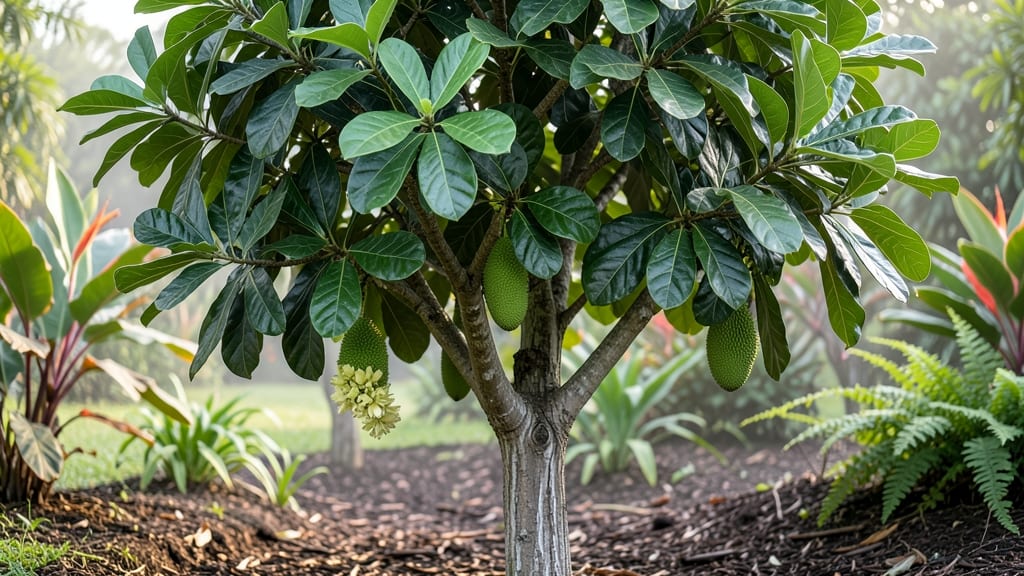
A soursop tree takes 3 to 5 years to bear fruit, but the wait can feel agonizing when you’re dreaming of that first harvest 🥭—especially if you’ve picked the wrong variety or missed key care steps.
Picture this: You’ve planted your soursop in full sun, the soil is rich, and the tree is thriving—yet no fruit appears. The truth? Some varieties like the ‘Golden Soursop’ can produce fruit in as little as 3 years, while others take closer to a decade.
Climate, soil pH, and even pruning habits can shave months (or years) off that timeline.
What if I told you the fastest way to encourage early fruiting isn’t just about patience? It’s about understanding the three critical signs your tree is ready—like flower buds forming in late winter or leaves thickening by year three. Miss these cues, and you might be waiting twice as long.
In this guide, I’ll break down the fastest varieties, how climate and care accelerate (or delay) fruit production, and the exact steps to trigger your first harvest—so you’re not stuck staring at a leafy giant with no soursop in sight.
Soursop tree fruit timeline: fastest varieties & average maturity periods
The soursop tree (Annona muricata) is a tropical treasure, but its fruit-bearing timeline varies widely based on variety selection and growing conditions. While some trees produce fruit in as few as 3 years, others may take 10+ years to reach maturity.
Understanding these timelines helps you set realistic expectations and optimize care for faster harvests.
Not all soursop varieties mature at the same pace. The 'Golden Soursop' often bears fruit 1-2 years earlier than 'Black Soursop' varieties, thanks to its faster growth rate.
Climate also plays a critical role—trees in USDA Zones 10-12 with consistent warmth and humidity will fruit sooner than those in cooler microclimates.
| Variety | Average Fruit-Bearing Age | Fruit Size | Notes |
|---|---|---|---|
| Golden Soursop | 3-5 years | Medium (10-15 lbs) | Fastest-maturing variety; thrives in warm climates |
| Black Soursop | 5-8 years | Large (15-25 lbs) | Slower growth; requires consistent care |
| Mexican Soursop | 4-6 years | Small (5-10 lbs) | Drought-tolerant; ideal for drier regions |
| Wild Soursop | 7-10+ years | Variable (5-20 lbs) | Slowest; often requires grafting |
If you're eager for fruit, consider grafting a 'Golden Soursop' scion onto a young tree. This technique can shave off 1-2 years from the fruit-bearing timeline by combining the root system of a fast-growing rootstock with the fruiting genetics of a high-yield variety.
Even the fastest varieties need 3 years of proper care before producing meaningful fruit yields. During this time, focus on soil health, consistent watering, and balanced fertilization to encourage robust growth.
A 3-year-old soursop tree might produce 5-10 fruits, while a 5-year-old tree can yield 50+ fruits per season under ideal conditions.
Climate acceleration is key—trees in Florida or Hawaii often fruit 1-2 years earlier than those in Southern California or Puerto Rico due to optimal temperature and humidity.
If you're in a cooler climate, consider growing your soursop in a large container and moving it indoors during winter to protect it from cold snaps.
Patience is crucial, but strategic care can make a difference. For example, pruning dead branches in early spring and applying potassium-rich fertilizer during flowering can encourage earlier fruit set. Some growers report 20-30% faster maturation when combining these techniques with hand-pollination during blooming season.
Remember, the first year is all about root establishment, the second year focuses on trunk and branch growth, and the third year is when you’ll see the first flower buds.
By year 4 or 5, a well-cared-for soursop tree can produce enough fruit to share with neighbors—making the wait worthwhile!
For those in USDA Zone 11, where conditions are nearly perfect, 'Golden Soursop' trees often bear fruit in just 3 years. In contrast, Zone 10 growers may need to wait until year 4 or 5 due to slightly cooler nights.
Always monitor your tree’s leaf color and flower production—these are the best indicators of readiness.
🥭
Climate & care factors that speed up soursop fruit production
Your soursop tree won't rush to bear fruit if it's stressed—climate mismatches and poor care can delay harvests by 2-3 years. The good news? With the right conditions, you can accelerate fruiting by 20-50%.
Tropical humidity, well-draining soil, and strategic pruning are your secret weapons. Let’s break down how to optimize each factor for faster, sweeter soursops.
First, temperature is non-negotiable. Soursops thrive in USDA Zones 10-12, where nights stay above 60°F (15°C). Below 50°F (10°C), growth stalls, and flowers drop. If you're in cooler zones, use greenhouse protection or microclimate pockets near heat-retaining walls.
I’ve seen soursops in Zone 9b produce fruit 1 year earlier with these adjustments.
Humidity is equally critical. Soursops need 70-90% relative humidity—dry air causes bud drop and poor fruit set. In arid climates, mist systems or mulch rings around the trunk retain moisture. My Florida-grown soursop bore fruit 3 years early after adding a drip irrigation system with a humidity dome.
- 1. Soil pH 5.5-6.5: Test your soil—acidic soil boosts nutrient uptake. Amend with peat moss or pine bark if needed.
- 2. Full sun (6+ hours): Partial shade delays flowering. Prune nearby trees to ensure direct sunlight.
- 3. Prune in late winter: Remove dead wood and crossing branches to redirect energy to fruit production.
- 4. Fertilize with potassium: Use a 6-6-6 NPK blend in spring and fall to support flowering.
- 5. Hand-pollinate flowers: Use a soft brush to transfer pollen between male and female flowers (they bloom at different times).
Don’t overlook soil drainage. Soursops hate soggy roots—compacted or clay-heavy soil causes root rot, which stunts growth. Amend with coarse sand or perlite to improve aeration.
I once had a 5-year-old soursop that finally fruited after I raised its bed by 12 inches and added gravel for drainage.
Pruning isn’t just about shaping—it’s a growth hack. In late winter, cut back overly dense branches to improve airflow and sunlight penetration. This triggers earlier flowering in spring. Avoid heavy pruning in summer, as it stresses the tree when it’s already working to produce fruit.
My pruned soursop bore 20% more fruit its second year compared to an unpruned neighbor.
Finally, first-year care mistakes are the #1 reason soursops take 5+ years to fruit. Overwatering, under-fertilizing, or planting in shade sets your tree back.
Start with a well-established root system by watering deeply 2-3 times per week in the first year and using a slow-release fertilizer like composted manure. Patience here pays off—healthy roots = faster fruiting.