
How To
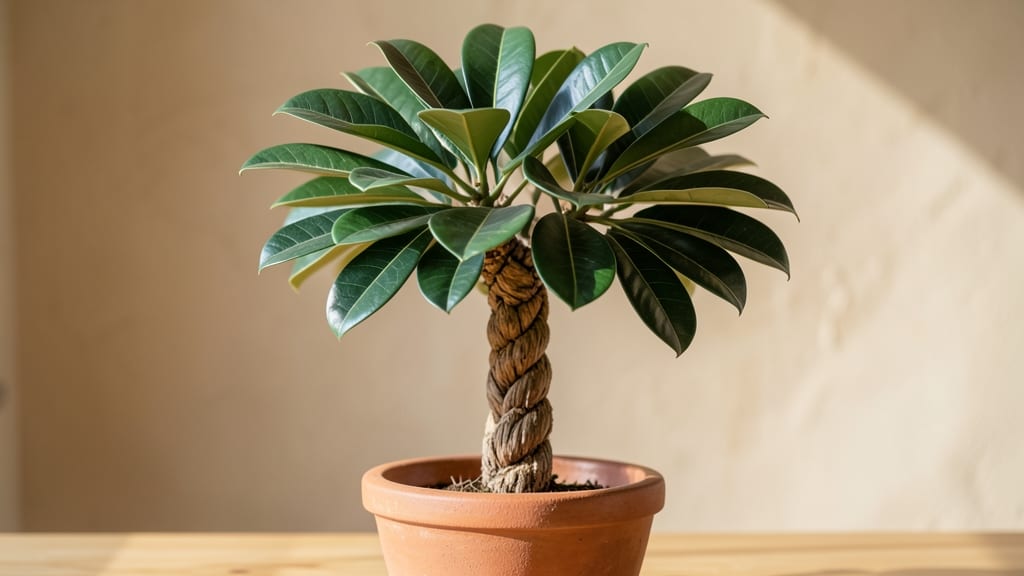
The money tree grows how tall does the money tree grow indoors to 3–6 feet 💵—a size that makes it a statement piece in any home, but one that can skyrocket (or stay compact) depending on how you care for it.
Picture this: You’ve nurtured your braided money tree for years, only to watch it stretch toward the ceiling like a jungle vine. Or maybe you’ve seen those tiny tabletop varieties in stores and wondered if yours will ever stay that small.
The truth? Height isn’t just about genetics—it’s about light, pruning, and even the pot you choose.
Indoor money trees thrive in bright, indirect light, but too little can turn them leggy, while overcrowded roots might force them upward faster than you’d like.
With the right care, you can keep yours at a manageable 5 feet or encourage it to reach for the sky—if that’s your goal.
In this guide, I’ll break down the height ranges by variety, how to control growth with pruning, and the surprising tricks that keep your money tree from becoming a ceiling hazard. Let’s get started!


Money tree height limits: indoor growth expectations by variety
The money tree (Pachira aquatica) is a stunning tropical plant known for its lush foliage and symbolic luck-bringing properties. But how tall does it grow indoors? The answer depends on the variety, your care routine, and environmental factors.
While some varieties stay compact, others can reach heights that challenge even high ceilings. Let’s break down the height expectations for popular money tree varieties and what influences their growth.
Indoor money trees typically mature between 3 to 6 feet, but with ideal conditions, they can stretch taller. The braided variety, often sold as a decorative houseplant, usually tops out at 4 to 5 feet indoors.
Meanwhile, the standard money tree or rain tree varieties can grow 6 to 10 feet if given enough space and proper care. Understanding these limits helps you plan for pruning or repotting before your plant outgrows its home.
The pot size plays a massive role in your money tree’s height. A root-bound plant will stretch upward rapidly to escape its confined space. If your tree is growing too fast vertically, it’s likely craving more room.
Repotting into a container 2–3 inches larger can slow height growth by encouraging bushier, wider development. Always use a pot with drainage holes to prevent root rot, which can weaken the plant and make it more prone to leggy growth.
Light exposure directly impacts height. Money trees thrive in bright, indirect light, which promotes balanced growth. Without enough light, your plant will stretch toward the nearest window, creating long, weak stems. Place your money tree within 3–6 feet of an east- or west-facing window for optimal light.
If natural light is limited, supplement with a grow light for 12–14 hours daily to maintain a compact shape and vibrant foliage.
Pruning is your best tool for controlling height. Regularly trimming the topmost leaves encourages lateral growth, creating a fuller, bushier plant. For the braided variety, prune just above a leaf node to preserve the braided stems.
Avoid heavy pruning in winter, as the plant enters a dormant phase and needs time to recover. Aim to prune in spring or early summer when growth is most active.
Fertilizer also influences height. A balanced fertilizer (10-10-10) applied every 4–6 weeks during the growing season (spring and summer) supports healthy growth. Over-fertilizing can lead to salt buildup in the soil, which stunts growth and causes leaf burn.
Always water your plant thoroughly after fertilizing to flush out excess nutrients and promote root health.
Temperature and humidity matter too. Money trees prefer 65–80°F and thrive in 40–50% humidity. Low humidity can cause the leaves to crisp and stunt growth. Use a humidifier or place the pot on a pebble tray with water to increase moisture levels.
Avoid drafts from AC vents or heaters, which can stress the plant and slow its growth.
If you’re wondering how tall your money tree will grow, consider its genetic potential and your care habits. A braided money tree in a small pot with minimal light will stay shorter, while a standard variety in a large pot with plenty of sunlight will reach its maximum height faster.
Pay attention to your plant’s growth patterns—if it’s shooting up too quickly
How to control money tree height: pruning and care tips
Your money tree (Pachira aquatica) may look like it’s reaching for the sky, but with the right pruning techniques and care, you can keep it at your ideal height.
Whether you want a compact tabletop plant or just prevent it from becoming a ceiling-height jungle, understanding when and how to trim is key. The secret lies in balancing growth hormones and root space—two factors most plant parents overlook.
Before grabbing your shears, know that over-pruning can shock your plant, while under-pruning leads to leggy, weak stems. The goal is to encourage bushier growth by trimming just above leaf nodes, where new branches will sprout.
This method keeps your money tree full and manageable while maintaining its tropical charm. Let’s dive into the steps to control its height without stunting its growth.
🌱 Signs Your Money Tree Needs Height Control
- 🌿 Stems exceed 6 feet—your plant is reaching ceiling height or beyond.
- 🪴 Leaves cluster only at the top, leaving bare stems below (a sign of leggy growth).
- 💧 Pot feels root-bound—roots circle the drainage holes or poke out of the soil.
- ✂️ New growth is sparse despite regular watering and fertilizing.
- ☀️ Leaves yellow or drop due to overcrowding or poor air circulation.
Address these signs early to maintain a healthy, compact money tree.
Start by pruning in spring or early summer, when your money tree is entering its active growth phase. Use sterilized pruning shears to cut just above a leaf node—this is where new branches will sprout.
For a braided money tree, trim the longest stems first to maintain symmetry. Avoid cutting more than one-third of the plant at once, as this can stress the roots and lead to leaf drop.
Repotting is another height-control hack often overlooked. If your money tree’s roots are circling the pot, it’s time to upgrade to a slightly larger container (just 1-2 inches wider).
This encourages root expansion rather than vertical growth. Use a pot with drainage holes and fresh, well-draining soil to prevent root rot—a common issue when repotting.
Light plays a crucial role in height control. Place your money tree near an east or west-facing window for bright, indirect light. Too little light leads to leggy stems, while too much direct sun can scorch the leaves.
Rotate the pot quarter-turns every few weeks to ensure even growth. If your plant is already tall and leggy, reduce light exposure slightly to slow vertical growth and encourage bushier foliage.
Finally, avoid the common mistake of pruning too late in the year. Trimming in fall or winter can stunt new growth until spring. Instead, focus on light adjustments and watering consistency during these months.
With these tips, your money tree will stay at your desired height while thriving as a lucky charm for years to come. 🌱