
How To
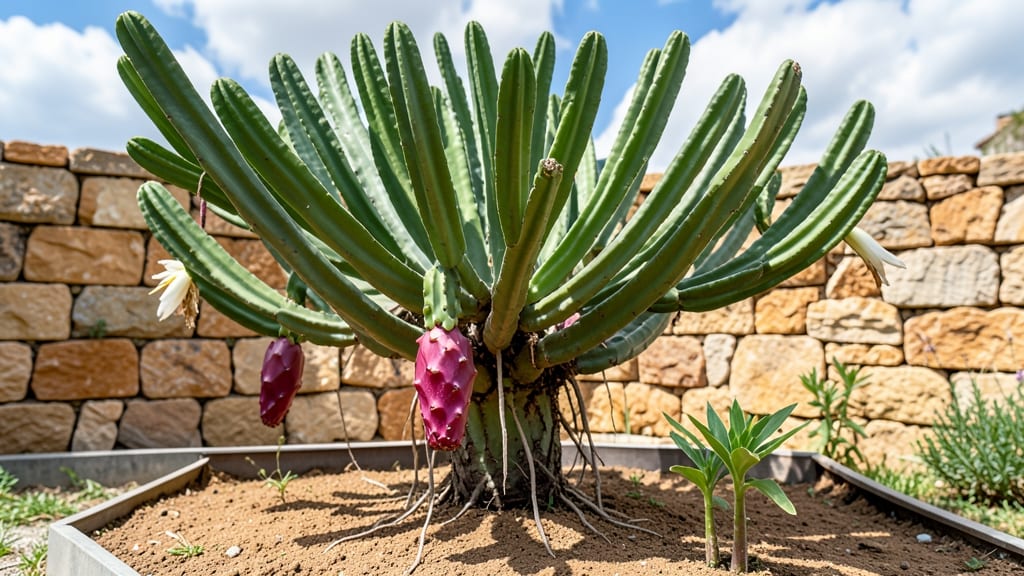
A dragon fruit tree can grow 15 to 20 feet tall—taller than most backyard fences and a sight to behold when laden with fruit 🐉.
If you're dreaming of harvesting vibrant dragon fruit from your backyard, understanding how tall these tropical giants grow is the first step to successful cultivation—because some varieties reach heights that will surprise you!
Growth speed varies by variety, but most double their height in just two years, making them one of the fastest-growing tropical fruits. Without pruning, they’ll climb trellises or sprawl across fences, so planning for their mature size is key.
In this guide, I’ll break down height expectations by variety, how to control their size, and why some gardeners swear by pruning for bigger, sweeter fruit.


Dragon fruit tree height by variety: growth expectations for common types
Dragon fruit trees (Hylocereus spp.) are tropical vines that can climb to impressive heights, but their mature size varies dramatically by variety. Knowing these differences helps you plan your garden layout and support systems.
The most popular types—like Hylocereus undatus and Hylocereus costaricensis—can reach heights that dwarf even the tallest gardeners, so let’s break down what to expect for each.
If you’re growing dragon fruit in containers or small spaces, height becomes a critical factor. Some varieties stay more compact, while others demand 20-foot trellises or more. Below, I’ve compared the most common types to help you choose the right fit for your space and climate.
Remember, these are mature heights—your plant will grow rapidly in its first few years!
| Variety | Mature Height | Growth Rate (Year 1) | Space Needs | Best For |
|---|---|---|---|---|
| Hylocereus undatus (Pink Skin) | 15–20 ft | 3–5 ft | Large trellis or wall | Backyard gardens, warm climates |
| Hylocereus costaricensis (Yellow Skin) | 12–18 ft | 2–4 ft | Medium trellis or fence | Containers (with support), small yards |
| Hylocereus megalanthus (White Skin) | 18–25 ft | 4–6 ft | Strong trellis or building | Large properties, tropical regions |
| Hylocereus polyrhizus (Red Skin) | 10–15 ft | 2–3 ft | Tall fence or sturdy post | Urban gardens, balconies |
| Selenicereus megalanthus (Hybrid) | 15–22 ft | 3–5 ft | Large trellis or pergola | Greenhouses, commercial grows |
The Hylocereus undatus, the most common pink-skinned variety, typically reaches 15–20 feet at maturity, making it ideal for large gardens or properties with space to spare. Its rapid growth in the first year—often 3–5 feet—means you’ll need a sturdy trellis or wall to support its climbing habit.
If you’re in a smaller space, consider the yellow-skinned Hylocereus costaricensis, which maxes out around 12–18 feet and grows slightly slower, giving you more time to install support structures.
For those in USDA Zone 10 or warmer, the white-skinned Hylocereus megalanthus is a showstopper but demands the most space, often exceeding 20 feet in ideal conditions.
Its large, fragrant flowers and sweet fruit make the extra height worthwhile, though it requires a robust trellis system or even a building to climb. If you’re growing in containers, the red-skinned Hylocereus polyrhizus is a great compromise, staying between 10–15 feet and thriving in 15-gallon pots with proper support.
Hybrids like Selenicereus megalanthus can push the limits even further, often reaching 22 feet or more. These are best suited for greenhouses or commercial setups where height isn’t a constraint.
If you’re a beginner, start with Hylocereus undatus or costaricensis—they’re more forgiving and still produce abundant fruit despite their size. Just be prepared to invest in a trellis or climbing structure early in their growth cycle!
Height isn’t the only factor to consider—growth rate and climbing habits also play a role in your garden planning. For example, the Hylocereus megalanthus can add 6 feet in its first year, while the Hylocereus polyrhizus grows more steadily at 2–3 feet.
This difference affects how quickly you’ll need to install support and whether you can manage the plant’s height through pruning. In my experience, pruning young vines to encourage bushier growth can also help control height, but it won’t drastically reduce the mature size of the variety.
If you’re growing dragon fruit in containers or small spaces, focus on varieties like Hylocereus costaricensis or polyrhizus, which are better suited to 15–20 gallon pots. Even these will need a trellis or cage to climb, but they won’t overwhelm your balcony or patio.
For ground planting, leave at least 10 feet of clearance around the base of the plant, as the
How fast do dragon fruit trees grow to full height?
Dragon fruit trees (Hylocereus spp.) are fast-growing tropical vines that can reach impressive heights—especially if you're growing them outdoors in ideal conditions. While they start small, their rapid growth means you'll need to plan for space and support early.
Understanding their year-by-year progression helps you set realistic expectations and prepare your garden for their mature size.
Most dragon fruit varieties climb 15–20 feet at maturity, but their growth rate varies dramatically depending on climate, soil quality, and care. In my experience, the first year is all about establishing roots and vines, while years two and three see explosive vertical growth.
Let’s break down what to expect each year and how to optimize their height for a bountiful harvest.
Climate plays a huge role in growth speed. In tropical zones (Zones 10–12), dragon fruit trees can grow 3–5 feet per year thanks to year-round warmth and long daylight hours. Meanwhile, in cooler zones (Zones 9–10), growth slows during winter, often halting entirely until spring.
I’ve seen my outdoor plants in Zone 10 hit 10 feet in just 2 years, while a friend in Zone 9 needed 3 years to reach the same height.
Soil quality and pruning habits also impact height. Well-draining, nutrient-rich soil with 1–2 inches of compost annually encourages faster vine development. Pruning isn’t just about height control—it’s about redirection energy toward fruit production. I prune my vines back by 30–50% in early spring to stimulate bushier growth and more flowers.
Without pruning, vines can become woody and leggy, focusing all their energy on climbing rather than fruiting.
If you’re growing dragon fruit in containers, expect slightly slower growth due to root restriction. A 15–20 gallon pot can support a 6–8 foot vine, but you’ll need to prune heavily to prevent overgrowth.
For maximum fruit yield, I recommend training vines along a trellis or fence to save space while still achieving full height potential.
Timing is everything when it comes to harvest readiness. Most dragon fruit trees produce their first flowers in year 3, with fruit ripening 6–8 months later. Patience is key—don’t expect a harvest before 18–24 months of growth, even with ideal conditions.
The reward? Juicy, vibrant dragon fruit that’s worth every inch of vertical growth! 🌱