
How To
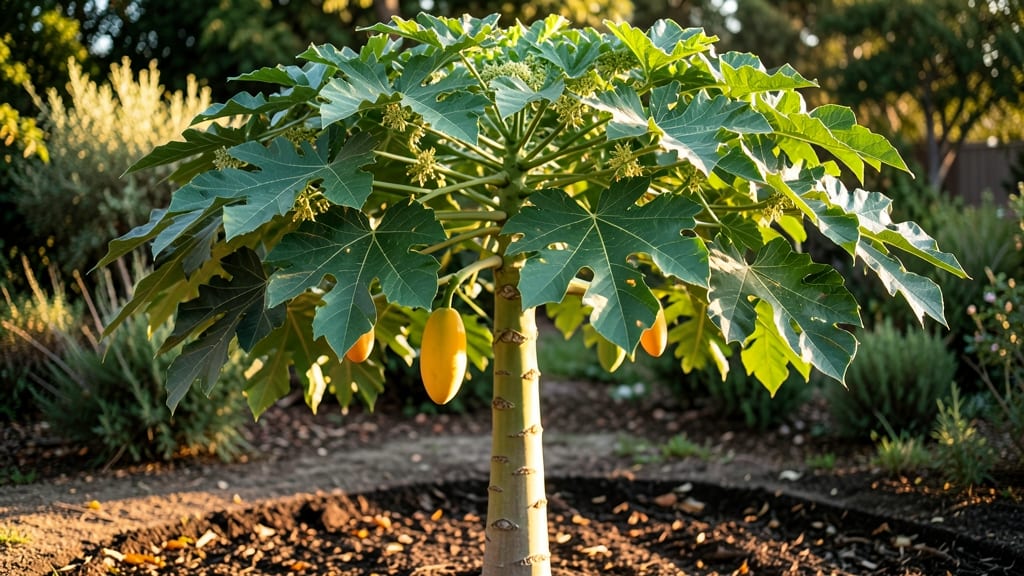
A papaya tree can grow anywhere from 10 to 30 feet tall—depending on the variety and how you care for it.
If you're dreaming of tropical fruit trees in your garden, papaya trees could be the perfect choice—but how tall can they really grow? The answer depends on the variety, growing conditions, and care, with some reaching heights that will make your neighbors jealous.
For example, dwarf varieties like Solo typically stay between 5 and 8 feet, while standard types can shoot up to 20 feet or more in ideal tropical or subtropical climates (think USDA Zones 10-11).
In this guide, I’ll break down the height ranges by variety, share tips for managing growth in home gardens, and explain how pruning and support can keep your 🍈 papaya tree from becoming a backyard giant.


Papaya tree height by variety: from dwarf to towering giants
Choosing the right papaya variety is crucial when planning your tropical garden, especially if space is limited. Some papaya trees stay compact while others grow tall enough to rival palm trees—up to 30 feet in ideal conditions.
The variety you pick directly impacts not just height but also fruit yield and care requirements.
If you're growing papayas in containers or small yards, dwarf varieties like Solo or SunUp are ideal, reaching just 5-8 feet. Meanwhile, standard varieties like Red Maradol can soar to 20-30 feet, making them better suited for large tropical gardens or farms.
Let’s break down the most popular varieties and their mature heights.
The Solo papaya is my top recommendation for beginners or those with limited space. It matures at just 5-8 feet and produces sweet, orange-fleshed fruit year-round in warm climates. Its compact size also makes it easier to prune and maintain, reducing the need for heavy-duty support structures.
For those with more room, the SunUp variety strikes a balance with heights of 6-10 feet. It’s perfect for patio gardens or small farms, offering larger fruit yields than dwarf types while still being manageable.
Just ensure you plant it at least 8 feet away from other trees to avoid competition.
If you're aiming for a commercial harvest, the Kapoho papaya is a powerhouse, reaching 10-15 feet and producing high-yielding fruit. This variety thrives in tropical climates and requires more space, so it’s best suited for larger properties or farms.
Its tall, slender trunk also makes it ideal for training along fences or trellises.
At the other end of the spectrum, the Red Maradol is a true giant, often exceeding 20 feet in height. Known for its deep red, oval-shaped fruit, this variety is prized by chefs and home gardeners alike.
However, its towering stature means it needs ample sunlight and wind support to prevent toppling in storms.
When planning your papaya garden layout, consider not just the tree’s height but also its spread and root system. Even dwarf varieties can develop wide canopies, so leave at least 6 feet of clearance around the base.
For taller varieties, consider staking or cabling to support heavy fruit loads and prevent structural damage.
One final tip: Pruning young trees can influence their mature height. If you want to keep a Red Maradol under control, prune the central leader early to encourage bushier growth. This won’t drastically reduce its height but will make it more manageable and productive for smaller gardens.
Whether you're growing papayas for personal enjoyment or a small-scale harvest, choosing the right variety—and understanding its growth potential—is key to success. With the right care, even a 30-foot giant can thrive in your backyard! 🌳
Factors that determine papaya tree height: beyond the variety
While choosing a papaya variety sets the baseline for height, your local growing conditions and care practices can push your tree toward its maximum potential—or keep it more manageable.
I’ve seen standard varieties like Red Maradol reach 25 feet in ideal tropical climates, while the same tree in a cooler subtropical zone might max out at 15 feet. The difference? It’s all in the details.
Sunlight exposure is the first critical factor. Papaya trees thrive with 6+ hours of direct sun daily, but full sun exposure (8+ hours) accelerates vertical growth. In my USDA Zone 10b garden, trees under partial shade grow 30% slower and rarely exceed 12 feet.
Even a south-facing fence can cast enough shade to stunt growth if planted too close.
Full sun (8+ hours) = 20-30 ft growth; partial shade = 10-15 ft
Well-draining, sandy loam with pH 6.0-7.0 = faster vertical growth; compacted soil = stunted growth
Aggressive tip pruning = 15-20 ft max; minimal pruning = 25+ ft in ideal climates
Tropical (Zones 10-11) = 25-30 ft; subtropical (Zones 9b-10a) = 15-20 ft
Deep daily watering in dry seasons = 20% faster height growth; inconsistent water = 50% slower
Soil quality plays a surprisingly large role. Papaya trees despise waterlogged roots, so well-draining sandy loam with a pH of 6.0-7.0 is ideal.
In my Florida garden, amending clay soil with compost and perlite helped trees reach 22 feet in 3 years—whereas unamended soil kept them under 10 feet. A simple soil test can reveal if your garden is holding back your tree’s growth potential.
Pruning isn’t just for shaping—it’s a growth regulator. I’ve used selective tip pruning to keep SunUp papayas at 12 feet while allowing others to grow wild. Prune the topmost 6 inches of new growth in late spring to encourage horizontal branching and reduce vertical momentum.
Just be warned: over-pruning can stress the tree and slow overall growth.
Your climate zone is the final piece of the puzzle. In tropical climates (Zones 10-11), papaya trees grow aggressively, often reaching 25-30 feet with minimal intervention. But in subtropical zones (9b-10a), cooler winters slow growth, capping most trees at 15-20 feet.
I’ve even seen Kapoho varieties in Zone 9a struggle to exceed 10 feet without winter protection.
To optimize your papaya’s height, start with full-sun placement, amend your soil, and prune strategically. For taller trees, embrace the wild growth—just ensure proper staking as they near 15 feet.
If you prefer a shorter stature, prune regularly and consider dwarf varieties like Solo, which max out at 8 feet even in ideal conditions. 🌿