
How To
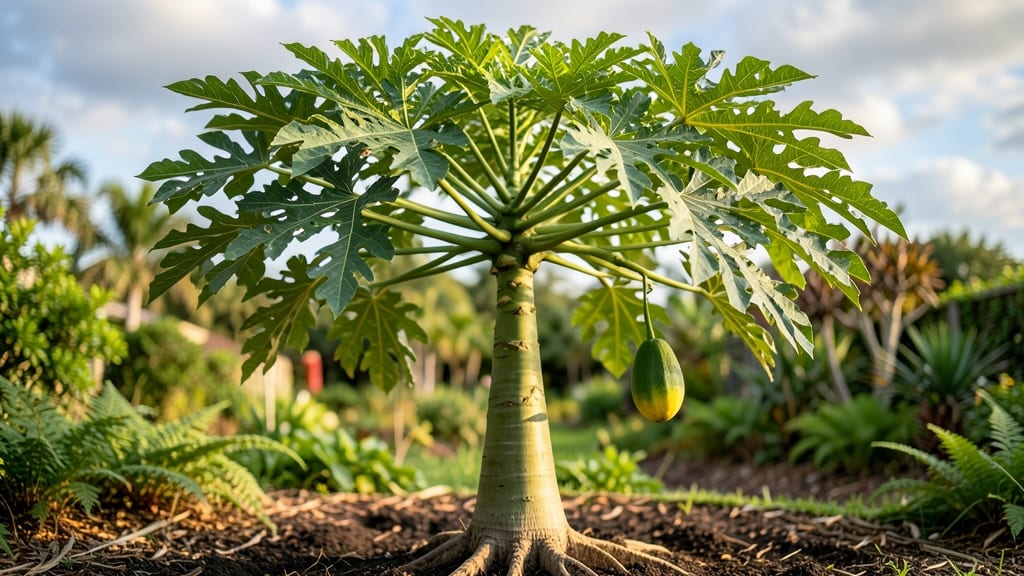
A papaya tree grows how tall does a papaya tree grow to heights of 10 to 30 feet—taller than most backyard trees—depending on its variety and growing conditions 🌴.
If you’ve ever imagined harvesting your own tropical fruit but hesitated because of space concerns, don’t let size hold you back. Some varieties stay compact, while others reach skyscraper proportions—here’s how to choose the right one for your garden.
Standard types like the Solo or SunUp varieties can shoot up to 20 feet, while unique hybrids may max out at 10 feet. Climate plays a role too: cooler zones (like 9b) may stunt growth unless you use containers or greenhouses.
Below, I break down height ranges by variety, how to control growth with pruning, and why some trees fruit faster despite their towering stature. Ready to grow your own tropical giant?


Papaya tree height by variety: dwarf to giant growth comparisons
Papaya trees (Carica papaya) are tropical wonders that can grow from modest backyard sizes to towering giants—depending on the variety. While some varieties like Solo stay compact enough for containers, others like Red Maradol can reach heights that rival small trees.
Understanding these differences helps you plan your garden layout and choose the right variety for your space.
The mature height of a papaya tree varies dramatically, from 10 feet for dwarf types to over 30 feet for giant varieties. This variation isn’t just about aesthetics—it directly impacts fruit production, pruning needs, and even your ability to harvest those sweet, tropical fruits without a ladder!
Let’s break down the most popular varieties and their growth habits.
The Solo and Kapoho Solo varieties are the best choices if you’re working with limited space. These dwarf papaya trees typically stay under 15 feet, making them ideal for containers or small patios.
They’re also self-pollinating, meaning you’ll get fruit without needing multiple trees. Just ensure they get full sun and well-draining soil to prevent root rot.
For larger gardens, SunUp and Hawaiian varieties strike a balance. These medium-height papayas grow between 12–25 feet and produce abundant fruit. Their spreading growth habit makes them great for creating a tropical canopy, but plan for 8–12 feet of spacing to avoid overcrowding.
These varieties thrive in USDA zones 10–12 and can even tolerate brief dips into zone 9b if protected from frost.
If you’re in a truly tropical climate and have ample space, Red Maradol is a showstopper. This giant papaya variety can reach 30 feet or more, producing large, heart-shaped fruits that are prized for their sweetness.
However, their height means you’ll need 12–15 feet of spacing and possibly a support structure for harvesting. These trees are perfect for large estates or commercial farms but may overwhelm a backyard.
Regardless of variety, all papaya trees follow a similar growth pattern: rapid vertical growth in the first year (3–5 feet), followed by branching and fruiting in years two and three. Pruning can help control height, especially for taller varieties.
For example, pinching the apical bud (the top growth point) encourages lateral branches, which can reduce overall height while increasing fruit production.
When planning your garden, consider not just the height of the papaya tree but also its width. Even dwarf varieties like Solo can spread 6–8 feet wide, while larger varieties like Red Maradol may spread 10–15 feet.
This spread is crucial for air circulation, which reduces the risk of fungal diseases like powdery mildew. Always leave extra space between trees to ensure healthy growth and easy access for maintenance.
One common mistake gardeners make is assuming all papaya trees grow to the same height. Variety selection is key—if you’re in a cooler climate (like zone 9b), opt for Solo or SunUp to avoid frost damage.
In warmer climates (zones 10–12), you can experiment with taller varieties like Red Maradol or Hawaiian for a more dramatic tropical look. Just remember: taller trees require more sturdy supports and regular pruning to stay manageable.
For container growing, stick to Solo or Kapoho Solo. These varieties can thrive in 15–20 gallon pots with proper drainage, making them perfect for patios or balconies. Use a lightweight potting mix and fertilize regularly to support their growth.
Even in containers, these trees can reach 10–14 feet, so place them where they won’t obstruct
Climate zones and papaya tree growth: how temperature affects height
Papaya trees thrive in warm climates, but their height growth is dramatically influenced by USDA hardiness zones and seasonal temperatures. In Zones 10-11, these trees can reach 20-30 feet tall, while cooler zones like Zone 9b limit growth to 10-15 feet unless you use special techniques.
Humidity also plays a role—high humidity in Zones 10-11 accelerates growth, while drier Zone 9b conditions slow it down.
Temperature fluctuations are the biggest factor in controlling papaya tree height. Below 50°F (10°C), growth stalls completely, and frost kills the plant instantly. Even in Zone 9b, nighttime temperatures dropping below 60°F (15°C) can stunt growth.
This is why many gardeners in cooler zones opt for container growing or greenhouse cultivation to extend the growing season and maintain manageable sizes.
In Zones 10-11, papaya trees grow aggressively due to year-round warmth and high humidity. These conditions allow them to reach their full 20-30 foot potential within 3-5 years. However, in Zone 9b, cooler winters and shorter growing seasons reduce height to 10-15 feet.
To compensate, gardeners often use dwarfing techniques like pruning or root restriction in containers, which can limit height to 6-8 feet while still producing fruit.
Seasonal changes also impact height growth. In Zones 10-11, papaya trees grow continuously, while in Zone 9b, growth pauses during cooler months. This seasonal slowdown means trees in cooler zones may take 5-7 years to reach maturity compared to 3-4 years in warmer zones.
To mitigate this, move potted papayas indoors during winter or use row covers to extend the growing season.
For gardeners in Zone 8 or cooler, container growing is often the only viable option. By keeping papayas in 15-gallon pots, you can restrict root growth and limit height to 5-10 feet.
Pair this with a south-facing greenhouse or indoor grow lights during winter to maintain growth momentum. Even in cooler climates, with the right care, you can still enjoy harvestable fruit—just expect a more compact tree.
Remember, height doesn’t always equal productivity. Even smaller papaya trees in containers or greenhouses can produce fruit if given proper care. Focus on light, water, and warmth—not just space—to ensure a successful harvest, regardless of your climate zone. 🌴