
Size
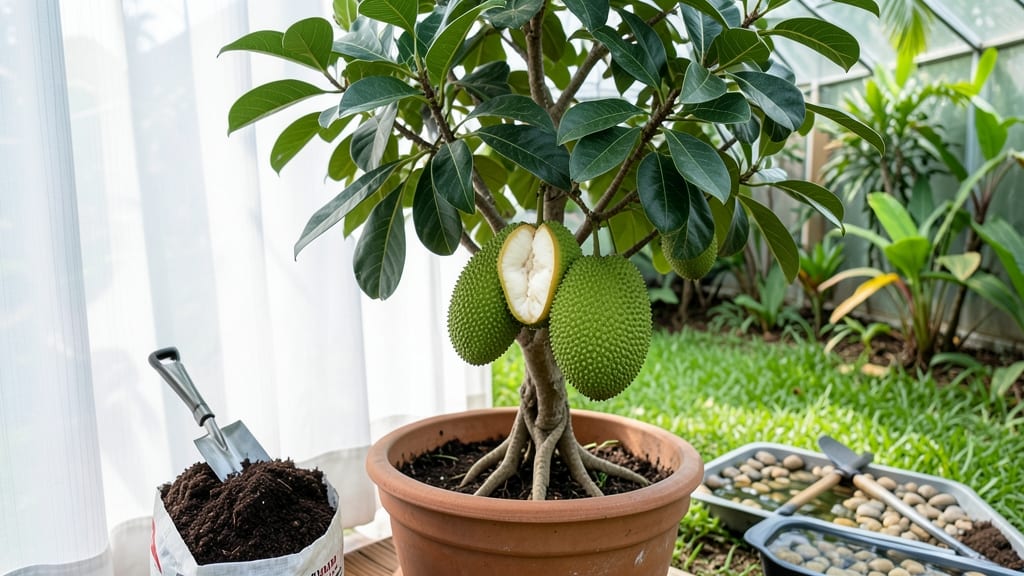
Growing a soursop guanabana tree to cultivate this unique tropical fruit at home means tropical fruit on your doorstep—if you nail the heat, humidity, and patience. 🌿 I cracked the code after my first attempt died from drafty winters, and now my backyard tree produces creamy, custard-like fruit that tastes like a mix of pineapple, strawberry, and mango.
The secret isn't complicated: this tree demands warmth year-round (65°F minimum) and high humidity, which rules out most temperate climates unless you grow it in a container and bring it indoors.
Start with fresh seeds—green and plump—and plant them in well-draining, slightly acidic soil mixed with sand or coconut coir. Germination takes 4-8 weeks, so don’t give up if nothing happens immediately.
Once established, you’ll see glossy, deep-green leaves and—with luck—a harvest in 3-5 years. The fruit grows like a spiky green football, splitting open to reveal snowy-white flesh that’s perfect for smoothies or desserts.
Patience pays off: a mature tree can yield 50-100 pounds of fruit per season if cared for properly.
For cooler climates, container growing is your best bet—just move it to a garage or sunroom before frost. The key is mimicking its native Caribbean environment, even if you’re thousands of miles away. Ready to try?
Why it happens
Growing a soursop (guanábana) tree at home can be incredibly rewarding—but why do some gardeners face challenges like stunted growth, poor fruiting, or even plant death? The answer lies in a mix of environmental, biological, and cultural factors.
Understanding these root causes helps you troubleshoot and create the perfect conditions for your tropical fruit tree. Let’s break it down.
🌡️ Temperature And Climate Mismatch
The soursop tree (Annona muricata) is a tropical fruit that thrives in warm, humid environments with temperatures consistently between 70–85°F (21–29°C). If your climate strays too far from these ideal conditions, your tree may struggle in several ways:
- Cold Sensitivity: Soursop trees cannot tolerate frost—even brief dips below 50°F (10°C) can cause leaf drop, bud death, or irreversible damage. In colder regions, growing soursop in containers and bringing them indoors during winter is essential.
- Heat Stress: While they love warmth, prolonged exposure to temperatures above 95°F (35°C) can lead to heat shock, causing wilting, yellowing leaves, or reduced flowering. Providing afternoon shade in extreme heat helps mitigate this.
- Humidity Needs: Low humidity (below 60%) can stress the tree, making it susceptible to pests like spider mites. Use mist systems, humidity trays, or indoor grow lights with built-in humidity controls if you’re growing indoors.
Actionable Fix: Monitor your local microclimate year-round. If you’re in a USDA Zone 9 or lower, consider growing soursop in a greenhouse or large pot for mobility.
💧 Watering Woes: Too Much Or Too Little
Soursop trees have shallow, fibrous root systems that need consistent moisture but hate soggy soil. Here’s how watering mistakes derail growth:
- Underwatering: Dry soil triggers osmotic stress, causing leaves to curl, drop, or develop brown edges. Roots may also suffocate if the soil dries out completely, leading to poor nutrient uptake.
- Overwatering: Soursop trees are not drought-tolerant but are also highly sensitive to waterlogged roots. Excess moisture leads to root rot (Phytophthora), a fungal disease that blocks water and nutrient absorption, often fatal if untreated.
- Improper Drainage: Compacted or clay-heavy soils trap water, creating anaerobic conditions that smother roots. Always plant in well-draining, slightly acidic soil (pH 6.0–7.0) with organic matter like compost.
Actionable Fix:
- Water deeply 2–3 times per week in hot weather, reducing to once a week in cooler months.
- Use a moisture meter or the "finger test" (stick your finger 2 inches into soil—if dry, water).
- Amend heavy soil with perlite or coconut coir to improve drainage.
☀️ Light Exposure Issues
Soursop trees need bright, indirect sunlight (6–8 hours daily) to photosynthesize efficiently. Too little or too much light throws off their growth cycle:
- Insufficient Light: Leggy, pale stems and small, sparse leaves indicate etiolation—a condition where the tree stretches toward light, weakening its structure. This also reduces flowering and fruiting.
- Direct Scorching Sun: While they love light, intense afternoon sun can bleach leaves (white/yellow patches) or cause sunscald, leading to crispy leaf edges.
Actionable Fix:
- Place outdoors in partial shade (e.g., under high-canopy trees) or use 50% shade cloth in peak sun hours.
- Indoors? Use a grow light (12–14 hours/day) to supplement natural light.
- Gradually acclimate seedlings to full sun over 2–3 weeks to avoid shock.
🌱 Soil And Nutrient Imbalances
Soursop trees are heavy feeders that demand rich, aerated soil. Poor soil quality leads to:
- Nitrogen Deficiency: Yellowing leaves (starting with older ones) signal chlorosis, a lack of nitrogen needed for leafy growth. This stunts overall development.
- Potassium/Magnesium Deficits: Brown leaf edges or interveinal yellowing (between veins) indicate these essential minerals are missing. Potassium regulates water uptake, while magnesium is critical for photosynthesis.
- Compacted or Poor Soil: Dense, clay-heavy soils restrict root expansion, limiting nutrient absorption. Soursop trees prefer loamy, slightly acidic soil with good organic content.
Actionable Fix:
- Test soil pH and amend with compost, worm castings, or peat moss to reach pH 6.0–7.0.
- Fertilize with a balanced tropical fruit fertilizer (e.g., 8-3-9) every 4–6 weeks during growing season.
- Add banana peel tea (potassium-rich) or Epsom salt (magnesium) if deficiencies appear.
🐛 Pest And Disease Pressure
Soursop trees are susceptible to pests and pathogens due to their tropical nature. Common culprits include:
- Spider Mites: Tiny pests that thrive in dry, low-humidity conditions, sucking sap and causing silver stippling on leaves. Severe infestations lead to leaf drop.
- Scale Insects: These sap-sucking bugs (often white or brown) secrete honeydew, attracting sooty mold—a black fungal growth that blocks sunlight.
- Root Rot (Phytophthora): A waterlogged soil fungus that causes black, mushy roots and wilting. Spreads rapidly in poorly draining conditions.
- Anthracnose: A fungal disease causing dark, sunken lesions on leaves and fruit, often triggered by high humidity and poor airflow.
Actionable Fix:
- Inspect leaves weekly for pests. Treat mites with neem oil (1 tsp per liter of water) or insecticidal soap. <
Fixing Common Soursop Tree Growing Issues
Growing a soursop (guanábana) tree at home can be incredibly rewarding, but like any tropical plant, it comes with its own set of challenges.
Whether your tree is struggling with pests, poor growth, or environmental stress, here’s how to diagnose and fix the most common problems—plus tips to keep your tree thriving long-term.
Cause: Inadequate sunlight, poor soil quality, or nutrient deficiencies. Fix It:
- Boost Sunlight Exposure 🌞 Move your soursop tree to a spot with 6–8 hours of direct sunlight daily. If indoors, place it near a south-facing window or supplement with a grow light (12–14 hours/day). Young trees need more light than mature ones—don’t skimp!
- Upgrade the Soil 🏺 Guanabana trees thrive in well-draining, slightly acidic soil (pH 5.5–6.5). Mix 50% tropical potting mix with 30% coconut coir and 20% perlite for aeration. Add a slow-release fertilizer (like 10-10-10) at planting and again in spring and summer.
- Feed Regularly 🍽️ Use a balanced liquid fertilizer (e.g., fish emulsion or seaweed extract) every 4–6 weeks during growing season. For faster results, try a potassium-rich fertilizer (like banana peel tea) to encourage fruit development.
Prevention Tip: 💡 Test your soil annually—over time, nutrients deplete, and pH can shift. Adjust with lime (to raise pH) or sulfur (to lower it) as needed.
Cause: Weak trees attract pests, especially in humid conditions. Fix It:
- Manual Removal First 🧼 Wipe down leaves with a soapy water solution (1 tsp mild dish soap + 1 quart water) using a soft cloth or sponge. Focus on undersides of leaves and stems where pests hide.
- Neem Oil Spray 🌿 Mix 1 tbsp neem oil + 1 tsp mild soap + 1 quart water in a spray bottle. Apply every 7–10 days until pests vanish. Neem oil disrupts pests’ life cycles without harming the tree.
- Introduce Beneficial Insects 🐞 Release ladybugs or lacewings (available at garden centers) to prey on mealybugs. For scale insects, prune and burn heavily infested branches to stop spread.
Prevention Tip: ✨ Keep your tree healthy—strong plants resist pests better! Mulch with wood chips to deter crawling insects and prune for airflow to reduce humidity pockets.
Cause: Overwatering, underwatering, or fungal issues (like root rot or anthracnose). Fix It:
- Check the Roots 🌊 Stick your finger 1–2 inches into the soil. If it’s soggy, your tree is overwatered. If bone-dry, it’s thirsty. Guanabana trees prefer slightly moist (not soggy) soil. Water deeply 2–3 times per week in hot weather, then reduce to once a week in cooler months.
- Fungal Treatment 🍄 If leaves have brown spots or black mold, treat with a copper fungicide (follow label instructions) or a baking soda spray (1 tbsp baking soda + 1 quart water + few drops of soap). Remove and destroy heavily infected leaves.
- Adjust Humidity 💦 Guanabana trees love 60–80% humidity. If your home is dry, place a humidifier nearby or mist leaves daily (avoid wetting flowers/fruit). Grouping plants together also helps!
Prevention Tip: 🌡️ Monitor temperature—soursop trees hate cold drafts (below 50°F/10°C). Keep them in warm, stable environments and avoid sudden temperature swings.
Cause: Immature tree, lack of sunlight, or improper pollination. Fix It:
- Wait It Out (For Young Trees) ⏳ Guanabana trees take 3–5 years to bear fruit. Focus on healthy growth first—stronger trees = better fruit production later.
- Hand-Pollinate Flowers 🐝 If your tree has flowers but no fruit, gently shake branches during blooming season to encourage pollination. Alternatively, use a small paintbrush to transfer pollen between flowers.
- Boost Flowering with Fertilizer 🌸 Switch to a phosphorus-heavy fertilizer (like 5-10-10) 2–3 months before flowering season (usually spring). Avoid high-nitrogen fertilizers—they promote leafy growth over flowers.
Prevention Tip: 🎯 Prune strategically—remove dead or crowded branches to improve airflow and sunlight penetration, which triggers flowering.
| Issue | Quick Fix | Prevention |
|---|---|---|
| Root Rot | Repot in fresh, dry soil + fungicide | Use pots with drainage holes |
| Sunburn (Yellow Tips) | Move to partial shade | Acclimate slowly to direct sun |
| Slow Recovery | Trim damaged leaves + fertilize | Keep soil consistently moist |
Final Tip: 🌟 Patience is key! Guanabana trees are slow growers but worth the wait. With the right care, your tree will reward you with fragrant flowers and sweet, creamy fruit—all while adding a tropical touch to your home. Happy growing! 🍍🌴
Frequently asked questions
How long does it take for a soursop tree to bear fruit?
Patience is key with soursop trees—they typically take 3-5 years to produce fruit from seed. Young trees focus on root and leaf growth first, so don't rush them. With proper care (warmth, humidity, and sunlight), you'll see fragrant white flowers appear before the spiky green fruits develop.
Can I grow a soursop tree indoors?
Yes, but it requires careful conditions! Place your potted soursop near a south-facing window with 6-8 hours of bright light daily, or supplement with a grow light. Maintain 70-85°F temperatures and 60-80% humidity—consider a humidifier or pebble tray. Move it outdoors during warm months for better growth.
Why are my soursop leaves turning yellow?
Yellow leaves usually indicate overwatering or nutrient deficiencies. Check soil moisture—it should be slightly damp but not soggy. If the yellowing starts with older leaves, it's likely a nitrogen deficiency (use a balanced fertilizer). For new leaves turning yellow, check for iron or magnesium shortages (try Epsom salt or chelated iron).
How do I know when soursop fruit is ripe?
Ripe soursops feel soft but not mushy when gently squeezed, with a sweet aroma near the stem. The skin should be greenish-yellow (not fully yellow) and slightly wrinkled. If you wait too long, the fruit becomes mealy inside. Harvest in the morning when flavors peak!
What's the best way to propagate soursop trees?
Start with fresh seeds from ripe fruit—remove the white pulp, rinse seeds, and plant them 1/4 inch deep in moist potting mix. Cover with plastic wrap to maintain humidity and place in warmth (75-85°F). Germination takes 4-8 weeks. For faster results, try air-layering branches from mature trees.