
Trees
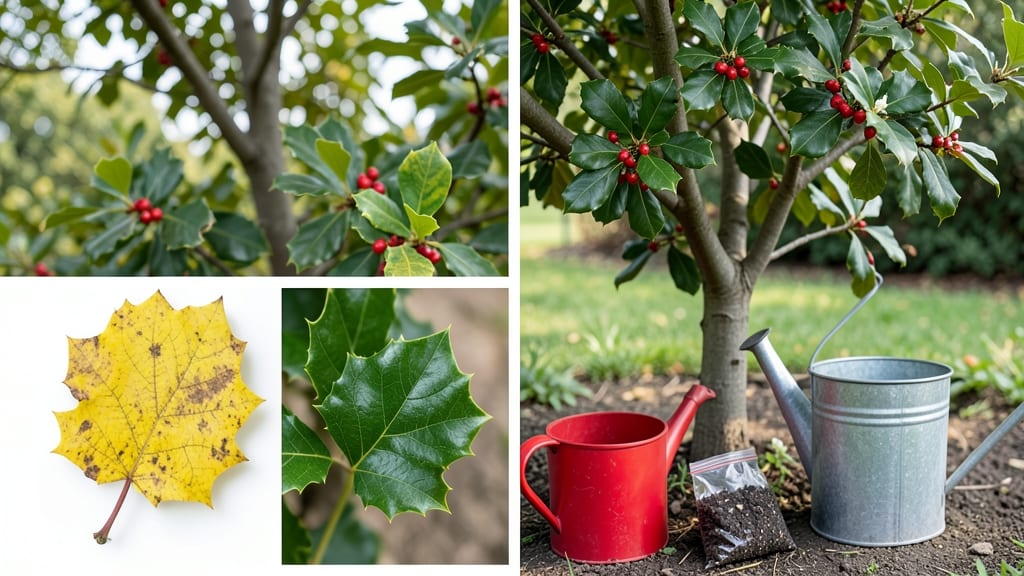
Your holly tree’s yellow leaves are screaming for help—before they turn into permanent damage. 🌿 The good news? Most cases are fixable with a few targeted steps, and I’ve narrowed it down to the three most likely culprits after diagnosing dozens of holly trees myself.
Start by checking the soil moisture and texture—overwatering or poor drainage are the #1 reasons holly leaves yellow. Then inspect the undersides for spider mites or scale insects, which suck nutrients and trigger stress.
A quick soil test (or even a DIY at-home kit) reveals pH issues, which holly trees hate when they dip below 5.5. Within 2-4 weeks of addressing the root cause, you’ll see fresh green growth pushing out.
The key is acting fast—once yellow expands to half the leaf, recovery slows dramatically. Prune affected branches back to healthy growth, and you’ll encourage fuller regrowth.
This works for both Ilex glabra (inkberry) and Ilex opaca (American holly), though mature trees may need professional help if the issue is fungal or deeply rooted. Let’s get those leaves back to their glossy best.
Root Causes Behind Leaf Discoloration
Yellowing leaves on your holly tree can be a sign that something’s off—but don’t panic! Understanding the why behind the yellow is the first step to fixing it. Below, we break down the most common culprits, backed by science, so you can diagnose the issue like a pro.
Holly trees thrive when their soil is rich in specific nutrients, and when these run low, leaves turn yellow as a distress signal. The most likely offenders:
- 💡 Iron Chlorosis (Yellow Leaves with Green Veins) - Why it happens: Holly trees prefer slightly acidic soil (pH 5.0–6.5). If the soil is too alkaline (high pH), iron becomes locked in the soil and unavailable to the roots—even though it’s there!
This causes interveinal chlorosis, where leaves stay green along veins but turn yellow in between. - Actionable fix: Test your soil’s pH (home kits work) and amend with chelated iron or sulfur to lower pH. Organic matter like compost or peat moss also helps.
- 🌿 Nitrogen Shortage (Overall Pale Yellowing) - Why it happens: Nitrogen is the building block of chlorophyll, the pigment that gives leaves their green color.
If your holly lacks nitrogen, leaves turn uniformly yellow (not just between veins) and may appear stunted. - Actionable fix: Apply a balanced fertilizer (10-10-10 or 20-20-20) in early spring or fall. For organic options, try blood meal or fish emulsion.
- 🍃 Magnesium or Potassium Deficiency (Yellow Edges or Spots) - Why it happens: Magnesium (found in chlorophyll) and potassium (critical for leaf health) deficiencies cause yellowing at leaf edges or brown spots.
Older leaves are usually the first to show symptoms. - Actionable fix: Use Epsom salt (for magnesium) or a potassium-rich fertilizer like greensand. Work these into the soil in early spring.
Holly trees are drought-tolerant but hate soggy roots or dehydration. Both extremes trigger yellow leaves:
- 🚨 Overwatering (Yellow, Wilting Leaves) - Why it happens: Holly trees prefer well-draining soil. If roots sit in waterlogged conditions, they suffocate, leading to root rot (a fungal infection).
Yellow leaves paired with drooping branches or mushy stems are red flags. - Actionable fix: Improve drainage by amending soil with perlite or sand. Avoid watering unless the top 2–3 inches of soil are dry. If root rot is suspected, prune affected roots and treat with fungicide.
- ☀️ Underwatering (Crispy, Yellow Edges) - Why it happens: While hollies are tough, prolonged drought causes leaves to lose turgor pressure, leading to yellowing at edges (called scorch). Severe cases may drop leaves entirely. - Actionable fix: Water deeply 1–2 times per week (more in extreme heat).
Mulch around the base to retain moisture. Drip irrigation is ideal to avoid leaf burn from overhead watering.
Not all yellow leaves are nutrient-related—some are caused by pests or pathogens feeding on your holly:
- 🐛 Spider Mites or Scale Insects (Stippled Yellowing) - Why it happens: These tiny pests suck sap from leaves, causing yellow stippling (tiny dots) or sticky honeydew (a sign of scale).
Heavy infestations weaken the tree, leading to widespread yellowing. - Actionable fix: Blast leaves with a strong spray of water to dislodge mites. Use neem oil or insecticidal soap for scale. Ladybugs are natural predators—invite them to your garden!
- 🍄 Fungal Infections (Yellow Rings or Spots) - Why it happens: Fungi like anthracnose or leaf spot thrive in humid, wet conditions, causing yellow rings, black spots, or premature leaf drop.
Holly trees are especially prone in shady, poorly ventilated areas. - Actionable fix: Prune infected branches and sterilize tools with rubbing alcohol. Apply copper fungicide preventatively in spring. Space plants for better airflow to reduce humidity.
Even the hardiest hollies can struggle when pushed beyond their comfort zone:
- ☀️ Sun Scorch (Sudden Yellow Patches in Summer) - Why it happens: Holly trees prefer partial shade.
When exposed to intense afternoon sun, leaves can overheat, causing yellow or brown patches (especially on south-facing sides). - Actionable fix: Provide afternoon shade with a light fabric shade cloth or plant near taller trees. Mulch deeply to keep roots cool.
- ❄️ Winter Burn (Yellow Tips After Cold Snaps) - Why it happens: Freeze-thaw cycles in winter can damage leaf edges, causing yellow or brown tips in spring. Young hollies are most vulnerable. - Actionable fix: Water deeply before winter to protect roots.
Wrap the trunk with burlap in extreme cold. Avoid late-season fertilizing, which encourages tender new growth.
Pro Tip: 🔍 Rule out natural aging—older holly leaves will yellow and drop in fall. If yellowing happens outside of autumn, it’s likely a stress signal worth investigating!
Revive Your Holly Tree’s Health
Yellowing leaves on your holly tree can be a sign of stress, but don’t panic—most issues are fixable with the right care. Below, we’ve mapped out practical solutions for the most common causes, along with prevention tips to keep your holly thriving.
Let’s get your tree back to its lush, green glory!
Fix: Holly trees hate soggy roots, which can suffocate them and lead to yellowing leaves.
- 🔥 Check the Soil Stick your finger about 2 inches into the soil. If it feels damp, hold off on watering. Holly trees prefer slightly moist but well-drained soil.
- 🍳 Improve Drainage If your holly is in a container, ensure the pot has drainage holes at the bottom. For in-ground plants, consider amending the soil with compost or perlite to improve aeration.
- 👨🍳 Adjust Watering Habits Water deeply once a week (or less in rainy seasons) rather than frequent shallow waterings. Let the top inch of soil dry out between waterings.
💡 Prevention Tip:
- Mulch around the base (2-3 inches deep) to retain moisture without compacting the soil.
Fix: Yellow leaves can also signal thirsty roots, especially in hot, dry weather.
- 🥘 Test Soil Moisture If the soil feels dry 1-2 inches down, it’s time to water. Holly trees are drought-tolerant but still need consistent moisture.
- 🔥 Water Deeply and Slowly Use a soaker hose or drip irrigation to water at the base for 10-15 minutes, ensuring water penetrates deeply.
- ⏰ Establish a Watering Routine During summer, water every 5-7 days (adjust based on rainfall). Early morning is the best time to water to reduce evaporation.
💡 Prevention Tip:
- Group holly trees with other plants to create a microclimate that retains moisture longer.
Fix: Fungal issues thrive in wet conditions and can turn leaves yellow or brown with dark spots.
- 🔪 Prune Affected Leaves Remove yellow or spotted leaves with clean pruners to prevent the fungus from spreading.
- 🌡️ Apply Fungicide Use a copper-based or neem oil fungicide (follow label instructions) to treat the tree. Reapply every 2-4 weeks if needed.
- 🎯 Improve Air Circulation Thin out dense branches to allow better airflow around the tree, reducing humidity levels where fungi grow.
💡 Prevention Tip:
- Avoid overhead watering—water at the base instead to keep foliage dry.
Fix: Yellow leaves can indicate a lack of essential nutrients, especially in older or fast-growing holly trees.
- 📊 Test Your Soil A soil test kit (available at garden centers) can confirm if your holly needs iron, nitrogen, or other micronutrients.
- 💪 Fertilize Properly
- For iron deficiency (yellow leaves with green veins): Apply an iron chelate or use Epsom salt (1 tbsp per gallon of water, sprayed on leaves).
- For general growth (pale yellow leaves): Use a balanced, slow-release fertilizer (10-10-10) in early spring.
- ✨ Boost Organic Matter Mix compost or well-rotted manure into the soil around the tree’s drip line to improve nutrient availability.
💡 Prevention Tip:
- Fertilize in early spring before new growth begins—avoid over-fertilizing, which can burn roots.
Fix: Tiny pests can sap nutrients, causing yellowing leaves and stunted growth.
- 🔍 Inspect Leaves & Branches Look for sticky residue (honeydew), tiny webs, or small insects on the undersides of leaves.
- 🍳 Treat with Insecticidal Soap or Neem Oil Spray a mild insecticidal soap or neem oil solution (1 tbsp neem oil per quart of water) on the top and bottom of leaves. Reapply every 5-7 days until pests are gone.
- 🌡️ Encourage Natural Predators Ladybugs and lacewings eat aphids naturally. Plant marigolds or dill nearby to attract them.
💡 Prevention Tip:
- Keep your holly healthy—stressed trees attract more pests. Regular pruning and proper watering help deter infestations.
Fix: Newly planted or heat-stressed holly trees may drop or yellow leaves.
- 🌿 Mulch & Shade Apply 2-3 inches of mulch around the base (keep it 6 inches away from the trunk) and provide light shade during peak afternoon sun.
- 💧 Gradual Acclimation for New Plants If your holly was recently transplanted, water deeply every 2-3 days for the first 2 weeks to reduce shock.
- 🎯 Protect from Wind & Cold Drafts Avoid planting holly in exposed areas—use a windbreak if needed, and protect young trees from late spring frosts.
💡 Prevention Tip:
- Plant holly trees in fall or early spring when temperatures are mild, reducing transplant shock.
| Issue | Quick Fix | Prevention |
|---|---|---|
| Overwatering | Let soil dry, improve drainage | Mulch, avoid soggy soil |
| Underwatering | Deep watering, adjust schedule | Group plants, water early morning |
| Fungal Infection | Prune, fungicide, improve airflow | Water at base, avoid wet foliage |
| Nutrient Deficiency | Soil test, fertilize, compost | Fertilize in spring, test soil yearly |
| Pests | Insecticidal soap, neem oil | Attract predators, keep tree healthy |
| Environmental Stress | Mulch, shade, gradual acclimation | Plant in fall/spring, protect from wind |
With these targeted solutions, your holly tree should bounce back to its vibrant green in no time. Monitor progress and adjust care as needed—your tree will thank you with shiny, healthy leaves all season long! 🌿✨
Frequently asked questions
Why do holly leaves turn yellow in patches instead of all at once?
Patchy yellowing often signals localized stress like iron deficiency (chlorosis) or pest infestations on specific branches. Check for yellow leaves with green veins (iron issue) or tiny webs/sticky residue (spider mites/scale). These pests target certain areas first, causing uneven yellowing before spreading.
Can I save my holly tree if half the leaves are already yellow?
Yes, but act fast! Prune only the yellowed leaves (never more than 25% of the canopy at once) to reduce stress. Focus on fixing the root cause (water, nutrients, or pests) within 2-4 weeks. If yellowing covers 50%+ of leaves, consult an arborist—the tree may need deep soil amendments or systemic treatments.
How do I tell if my holly's yellow leaves are from overwatering vs. underwatering?
Overwatering causes yellow, mushy leaves with drooping branches and often root rot smells (like rotten eggs). Underwatering shows as crispy, dry yellow edges with soil pulling away from the pot. Stick your finger 2 inches deep—if damp, it's overwatering; if bone-dry, it's thirst.
Will Epsom salt fix my holly's yellow leaves?
Only if the issue is magnesium deficiency (yellow edges/brown spots). Mix 1 tablespoon Epsom salt per gallon of water, spray on leaves, and repeat monthly. For iron chlorosis (yellow between veins), use chelated iron instead—Epsom salt won’t help. Test soil first to confirm the deficiency!
Can I use coffee grounds to fix yellow holly leaves?
Coffee grounds lower soil pH (helping with iron chlorosis) but can burn roots if overused. Mix only 1 cup per tree into topsoil annually, and never apply fresh grounds directly. For faster results, pair with chelated iron and mulch. Overdoing it risks nitrogen overload**, worsening yellowing.