
Landscaping
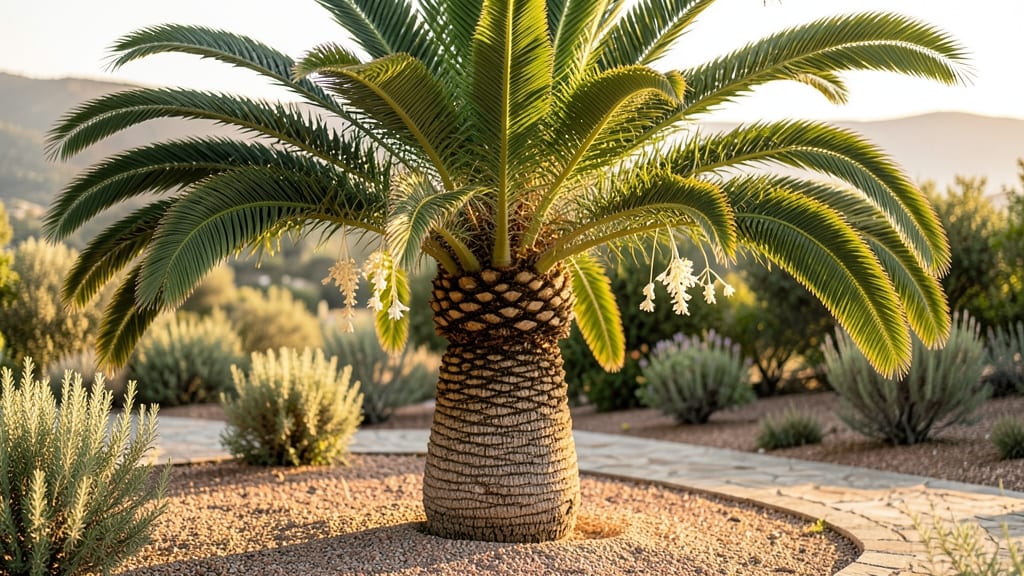
A front yard palm tree can add instant tropical charm, even in colder climates where most varieties struggle to survive.
Dreaming of a tropical front yard but live in a colder climate? These palm trees not only survive chilly winters but also grow fast enough to transform your curb appeal in record time.
Cold-hardy palms like the Mediterranean Fan Palm or Needle Palm thrive in USDA Zones 6-9, reaching 10-25 feet in just a few years. That’s three times faster than traditional palms, giving you lush, tropical looks without the wait.
Below, I’ll share the top 5 fast-growing varieties perfect for your front yard, plus planting tips to keep them thriving through winter. Ready to make your home the talk of the neighborhood?
Top 5 fast-growing cold-hardy palm trees for front yards
If you love the look of palm trees but live in USDA zones 7-9, don't worry—there are cold-hardy varieties that thrive in cooler climates while still delivering that tropical vibe. These fast-growing palms can transform your front yard into a stunning landscape without requiring constant winter care.
The key is choosing species that tolerate temperatures down to 10°F (-12°C) or slightly lower, with rapid growth rates to establish curb appeal quickly.
Most palms struggle in freezing temperatures, but these five varieties are exceptional outliers. They grow 2-4 feet per year under ideal conditions, making them perfect for homeowners who want immediate impact. Their compact sizes also make them ideal for front yards, where space is often limited.
Let’s dive into the specifics, including mature heights, cold tolerance, and growth habits so you can pick the perfect palm for your climate.
Below is a detailed comparison of the top 5 cold-hardy palms, ranked by their ability to thrive in cooler zones while delivering fast growth and low-maintenance care. Each variety is evaluated on hardiness, growth speed, and front-yard suitability.
The Mediterranean Fan Palm is my top pick for front yards in USDA zones 7-9. It grows 2-3 feet per year and reaches a manageable 15-25 feet at maturity, making it perfect for smaller spaces.
Its 10°F tolerance means it can handle brief cold snaps without damage, and its fragrant foliage adds a sensory bonus. This palm also has a natural, bushy shape, which enhances curb appeal without overwhelming the landscape.
For those in zone 7 or colder, the Needle Palm is a game-changer. It’s the hardiest palm on this list, surviving down to -10°F (-23°C) with minimal protection.
While its growth is slower (1-2 feet per year), it’s a dwarf variety that tops out at 6-10 feet, making it ideal for container gardening or small front yards. Its spiky, textured fronds add a unique architectural element.
The Windmill Palm is another standout for fast growth and cold tolerance. It thrives in zones 6-9 and can handle -5°F (-21°C) temperatures, making it one of the most resilient options. With a growth rate of 2-4 feet per year, it quickly fills in space
How to plant and care for cold-climate palms in your front yard
Adding a palm tree for front yard in colder climates requires smart planning to ensure survival through winter. I’ve planted Mediterranean fan palms in Zone 7 with great success by following these key steps.
The secret lies in proper soil prep, strategic watering, and seasonal protection—all of which I’ll walk you through below.
First, choose a cold-hardy palm variety like the Windmill Palm or Needle Palm, which can tolerate temperatures down to 10°F. These palms grow 3-5 feet per year in ideal conditions, making them perfect for quick curb appeal.
Planting in spring after last frost (typically mid-May in Zone 6) gives roots time to establish before winter.
Select a south-facing spot with 6+ hours of sunlight. Avoid low areas where cold air pools—palms hate soggy roots and frost pockets.
Amend native soil with compost and sand (50/50 mix) to improve drainage. Test pH—palms prefer slightly acidic to neutral (6.1-7.5). If your soil is heavy clay, consider a raised bed for better root health.
Dig a hole twice as wide as the root ball but only as deep. Loosen roots if pot-bound, then backfill with native soil mixed with palm fertilizer. Water deeply to settle soil.
Water deeply 2-3 times per week for the first year. Use drip irrigation to keep moisture consistent. Mulch with 3 inches of wood chips to retain moisture and regulate soil temperature.
When temps drop below 20°F, wrap the trunk with burlap and cover fronds with frost cloth. Add extra mulch (4-6 inches) around the base to insulate roots. Avoid watering once soil freezes.
Feed with palm-specific fertilizer (8-3-9 NPK) in spring and early fall. Skip winter feeding—palms are dormant. Apply fertilizer 6 inches from the trunk to avoid root burn.
After planting, monitor your palm for yellowing fronds, which often signals overwatering or nutrient deficiency. Prune dead fronds in early spring to encourage new growth. I’ve found that Windmill Palms handle pruning best—they bounce back quickly with proper care.
With these steps, your palm tree for front yard will thrive even in colder zones. The key is consistent moisture, seasonal protection, and patient care. Within 2-3 years, you’ll have a lush, tropical-looking focal point that turns heads in your neighborhood! 🌴