
Blooming
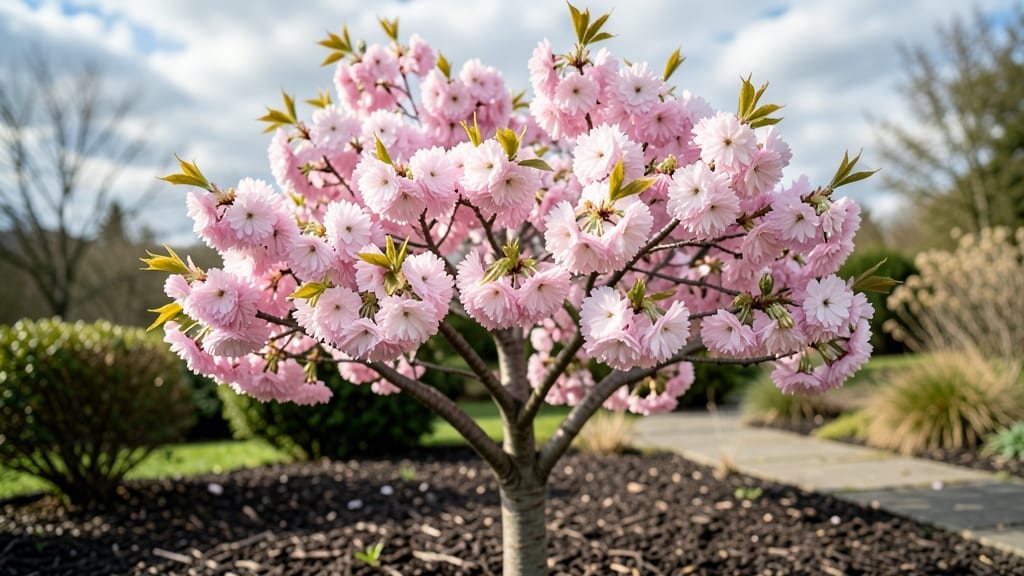
A cherry blossom tree in your front yard isn’t just a tree—it’s a seasonal masterpiece that turns heads from winter dormancy to spring’s pink explosion. ✨ I planted mine last year, and the way it frames my porch with delicate petals every April made me realize how much curb appeal comes from a single, well-placed tree.
The key isn’t just picking any variety—it’s choosing one that thrives in your climate, matches your yard’s scale, and pairs with plants that extend the show beyond bloom time.
The right spot makes all the difference: full sun for at least six hours daily, well-draining soil (amend with compost if yours is heavy clay), and enough room to grow—some varieties reach 30 feet tall. Dwarf cultivars like ‘Royal Celebration’ stay under 20 feet, perfect for smaller yards.
Pair it with spring bulbs like daffodils or early-blooming perennials like hellebores to fill the gap before leaves emerge, then layer in shade-tolerant ferns or hostas once the canopy closes in summer.
You’ll love the way it transforms your landscape: soft pink clouds against a blue sky, the delicate scent drifting through open windows, and the way it frames your home’s entrance.
Maintenance is minimal—prune in late winter to shape the tree and remove dead wood—but the payoff is years of effortless beauty. Even in winter, the peeling bark and graceful branches add texture to the yard.
For best results, plant in early fall or late winter when the tree is dormant. If your soil is poor, consider a raised bed for the root zone—it’s worth the extra effort to ensure your tree thrives for decades.
The secret to a showstopping front yard? Let the cherry blossom take center stage, then build around it with complementary plants that keep the magic going all season long.
📚 In This Guide
- What you need
- Instructions
- Tips and common mistakes
- Wrapping up and next steps
What you need
- ● Cherry blossom tree (Prunus serrulata or hybrid): 1 mature tree (3–5 years old, 15–25 ft tall) or
- ● 1 young tree (bare-root or container-grown, 6–12 ft tall)
- ● Planting hole supplies: 1 shovel (for digging)
- ● 1 wheelbarrow (for soil)
- ● 1 garden fork (for aerating soil)
- ○ Soil amendments (optional but recommended): 5–10 lbs of compost or aged manure
- ● 1–2 lbs of balanced fertilizer (10-10-10 or 20-20-20)
- ● Mulch: 3–4 cubic feet of organic mulch (wood chips or bark)
- ● Watering tools: 1 garden hose with adjustable nozzle
- ● 1 watering can (for young trees)
- ● Tree stakes (2–4) + stretchy tree ties (for young/small trees)
- ● Soil pH tester (ideal range: 5.5–6.5)
- ● Slow-release fertilizer tablets (for long-term nourishment)
- ● Pruning shears (for shaping after planting)
- ● Drip irrigation kit (for consistent watering)
Step-by-step guide to planting and caring for your cherry blossom tree
Here's how to plant and nurture a stunning cherry blossom tree that'll be the star of your front yard.
🌱 Step 1: Choose the Perfect Planting Spot
Cherry blossoms need full sun—at least 6 hours daily—to produce their showstopping blooms. Scan your yard for the sunniest location, ideally near your home's front entrance or along a walkway where you'll admire it often. Avoid low spots where cold air settles in winter, as these trees can suffer damage from late frosts.
Check your property's soil by digging a 12-inch hole. If it feels compacted or clay-heavy, mix in 2-3 inches of compost to improve drainage. Cherry blossoms hate soggy roots, so if your yard floods after rain, consider planting on a slight mound or in a raised bed. This ensures water runs away from the trunk instead of pooling around it.
🪴 Step 2: Plant at the Right Time and Depth
Spring is the best time to plant—after the last frost date but before buds swell. Dig a hole twice as wide as the root ball but no deeper. The top of the root ball should sit 1-2 inches above ground level; planting too deep suffocates the tree. Gently loosen the roots if they're circling tightly in the container, then place the tree in the hole.
Backfill with native soil, tamping lightly every 4-6 inches to remove air pockets. Water deeply to settle the soil, then add a 3-inch layer of mulch (keep it 6 inches away from the trunk to prevent rot). This protects roots from temperature swings and retains moisture. Stake only if your tree leans—otherwise, let it find its own balance.
☀️ Step 3: Water and Fertilize for Strong Growth
Water your new cherry blossom deeply twice weekly for the first year, aiming for 1-1.5 gallons per watering. Let the top 2-3 inches of soil dry between sessions—you'll know it's time when the surface feels dry to the touch. Overwatering causes root rot, which is fatal for these trees. In summer, add a 1-inch layer of mulch annually to conserve moisture and cool roots.
Fertilize in early spring with a 10-10-10 balanced fertilizer, applying ½ pound per inch of trunk diameter. For example, a 3-inch trunk gets 1.5 pounds total. Scatter it evenly in a circle around the drip line (where branches extend), then water thoroughly. Avoid fall fertilization—it encourages late growth that won't harden off before winter.
✂️ Step 4: Prune for Health and Blooms
Prune your cherry blossom in late winter or early spring before buds swell. Remove any dead, crossing, or rubbing branches first—these compete for energy and invite disease. Then, thin the canopy by cutting back 1/3 of the oldest branches to encourage new growth. Make cuts just outside the branch collar (the swollen area where the branch meets the trunk) at a 45-degree angle.
Never prune after summer—it removes next year's flower buds. If you notice suckers (shoots growing from the base or roots), remove them immediately. These sap-sucking growths drain the tree's energy. After pruning, apply a copper fungicide spray to prevent bacterial canker, a common cherry tree disease. This is especially important if your area has humid summers.
⏰ Step 5: Protect and Enjoy Year-Round
Watch for pests like aphids or scale insects in spring—they love new growth. Blast them off with a strong spray of water or treat with neem oil if they persist. In fall, rake up and dispose of any fallen leaves to reduce disease risk. Cherry blossoms are susceptible to powdery mildew, so improve airflow by pruning nearby shrubs and spacing plants 15-20 feet apart.
Your tree's first blooms may be modest, but with patience, it'll reward you with spectacular spring displays for decades. In winter, admire its graceful silhouette against the sky. With proper care, your cherry blossom will become the timeless centerpiece of your front yard, turning heads every season.
Tips & tricks for perfect cherry blossom tree planting and care
Here's what I've learned from years of watching cherry blossoms thrive in front yards—tricks that'll help your tree grow strong and bloom spectacularly.
Sunlight Strategy: That 6 hours of full sun requirement is non-negotiable for those showstopping blooms. If your yard only gets partial sun, consider planting near a south-facing wall that reflects sunlight back onto the tree. I've seen blossoms double in size when trees get an extra 2-3 hours of afternoon sun—just don't overdo it, or you'll stress the tree during summer heat.
Soil Prep Game-Changer: When you're digging that 12-inch hole, save some of the native soil to mix back in after amending with compost. This helps the tree recognize its own soil environment and establishes better root systems. For clay-heavy soils, I recommend adding 1 part perlite to every 3 parts compost to improve drainage even more.
Watering Wisdom: Those 1-1.5 gallons per watering should be delivered slowly to encourage deep root growth. I use a soaker hose for the first year to prevent surface evaporation and ensure water reaches down to the root ball. A good test: after watering, stick your finger 3 inches deep—it should feel moist but not soggy. Overwatering is the #1 killer of young cherry blossoms.
Fertilizer Timing: The early spring application of 10-10-10 fertilizer is perfect, but here's the secret: split that dose into two applications. Give half right after planting (if you're doing it in spring) and the other half when you see new growth in early spring. This prevents fertilizer burn and gives your tree a steady nutrient supply. For trees with 3-inch trunks, that means 0.75 pounds at each application instead of all 1.5 pounds at once.
Pro Tips for Cherry Blossom Tree Front Yard
- Here's what I've learned from years of watching cherry blossoms thrive in front yards—tricks that'll help your tree g...
- Sunlight Strategy: That 6 hours of full sun requirement is non-negotiable for those showstopping blooms. If your yard...
- Soil Prep Game-Changer: When you're digging that 12-inch hole, save some of the native soil to mix back in after amen...
Frequently asked questions
Got questions about adding a cherry blossom tree to your front yard? You’re not alone! Here are some of the most common queries—and their answers—to help you plan with confidence.
When is the best time to plant a cherry blossom tree in my front yard?
The ideal time to plant a cherry blossom tree is in early spring or fall, when temperatures are mild and the tree isn’t in bloom. This gives roots time to establish before extreme heat or cold. Avoid planting during summer or winter, as stress from temperature swings can stunt growth. For most U.S. climates, late March to May or September to November works best.
How much space do I need for a cherry blossom tree in my front yard?
Cherry blossom trees (especially popular varieties like Prunus serrulata) typically mature between 20 to 30 feet tall and wide. If space is limited, consider dwarf varieties (like ‘Kwanzan’ or ‘Royal Celebration’) that top out around 15–20 feet. Always check the mature size of your chosen variety and plant at least 10–15 feet away from structures, sidewalks, or power lines to avoid future issues.
Can cherry blossom trees survive cold winters or hot summers?
Most cherry blossom trees thrive in USDA Hardiness Zones 5–8, but some varieties (like ‘Autumnalis’) are more cold-hardy and can handle Zone 4. For hot climates (Zones 9–10), opt for heat-tolerant types like ‘Shirotae’ or provide afternoon shade. Mulching and consistent watering help trees endure temperature extremes. If you’re in an extreme zone, research microclimate-friendly planting spots!
What are some low-maintenance alternatives to traditional cherry blossom trees?
If you love the look but want less fuss, try these low-maintenance bloomers:
- Japanese Snowbell (Styrax japonica): Fragrant white flowers, drought-tolerant, and shade-friendly.
- Crabapple (Malus spp.): Compact, disease-resistant, and offers year-round interest with fruit.
- Magnolia (Magnolia stellata): Stunning spring blooms with minimal pruning needs.
- Serviceberry (Amelanchier spp.): Edible berries, four-season foliage, and adaptable to various soils.
Why aren’t my cherry blossom tree’s flowers lasting long, or are they falling off early?
Early flower drop or short-lived blooms can stem from stress, poor pollination, or environmental factors. Check these troubleshooting tips:
- Water deeply 1–2 times per week (drought stress causes premature shedding).
- Avoid late frosts—cherry blossoms are sensitive to cold snaps after buds form.
- Attract pollinators with nearby plants like lavender or bee balm.
- Prune in late winter to remove dead wood, but avoid heavy trimming during bloom season.
Wrapping up and next steps
A cherry blossom tree in your front yard isn’t just a seasonal spectacle—it’s a year-round investment in beauty, curb appeal, and even property value. From selecting the right variety to nurturing its growth, every step brings you closer to a breathtaking landscape that neighbors will envy. 🌸
Ready to turn your vision into reality? Start by researching local nurseries or scheduling a consultation with a landscaping expert to pick the perfect tree for your climate and space.
Whether you’re planting this spring or dreaming for next year, the reward—a front yard that feels like a postcard—is worth every effort!