
Pruning
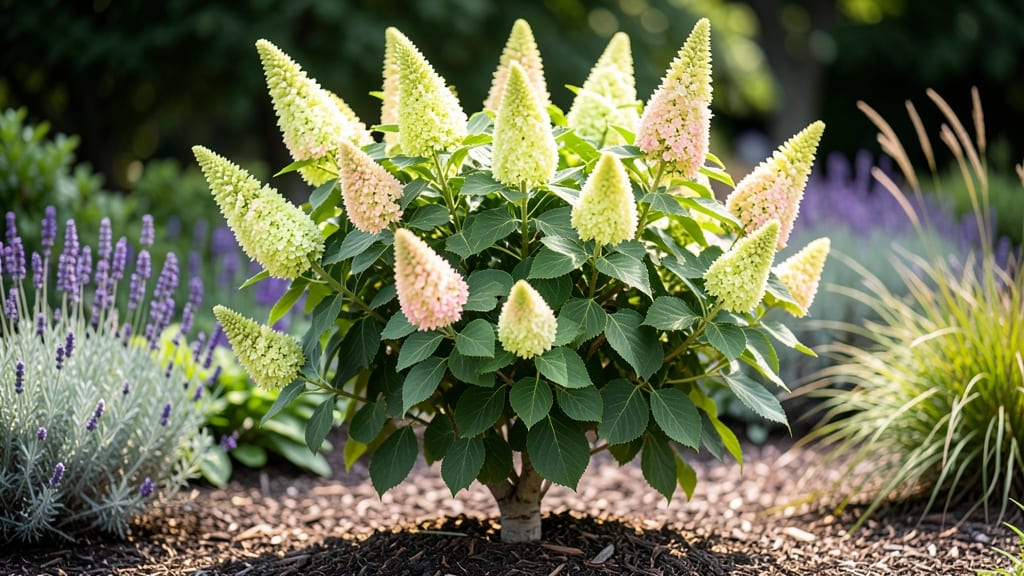
A Limelight Hydrangea Tree reaches its full size of 6 to 8 feet with the right care—turning your yard into a lush, year-round showstopper 🌸.
Picture this: a towering shrub blanketing your landscape in creamy white blooms that fade to soft pink, all while requiring less fuss than you’d expect. But here’s the catch—pruning isn’t just about keeping it tidy. It’s the secret to unlocking those boldest blooms and preventing a leggy, sparse mess.
Whether you’re dealing with a young sapling or a mature tree, mastering the timing and technique makes all the difference. Skip the guesswork and learn how to shape your Limelight Hydrangea Tree for perfect blooms every season, no matter your yard’s size or sunlight.
From when to prune to how much to cut (and what to avoid), this guide cuts through the confusion so you can enjoy a thriving, picture-perfect tree all year long.


When and how to prune a full-size Limelight Hydrangea tree for maximum blooms
Your Limelight Hydrangea Tree can reach 6-8 feet tall with the right care, but proper pruning techniques are key to keeping it lush and blooming. Unlike smaller varieties, full-size trees need strategic cuts to maintain their vibrant green-and-pink blooms while encouraging healthy growth.
The timing and method of pruning directly impact your tree’s flower production and overall shape.
Most gardeners make the mistake of pruning at the wrong time, leading to fewer blooms or leggy growth. Limelight Hydrangeas bloom on new wood, meaning they produce flowers on current season’s growth.
This makes late winter or early spring the ideal time to prune, just as new shoots begin to emerge. However, light summer pruning can also help shape your tree without sacrificing blooms.
Step-by-Step Pruning Guide for Limelight Hydrangea Tree
- 1 Choose the Right Tools: Use sharp, clean pruning shears or loppers for thicker branches. Disinfect tools with rubbing alcohol to prevent disease spread.
- 2 Timing Matters: Prune in late winter (Feb-March) or early spring (April) before buds swell. Avoid pruning in fall or winter when the plant is dormant.
- 3 Remove Dead or Weak Wood: Cut out dead branches, crossing limbs, and sick-looking stems first. These won’t produce blooms and can harbor pests.
- 4 Shape the Canopy: Focus on outer branches to create an open, airy shape. Cut back 1/3 of the oldest wood to encourage new growth where blooms form.
- 5 Light Summer Pruning: After blooms fade in July-August, trim spent flower stems to just above a leaf node. This encourages new growth for next year’s blooms.
- 6 Avoid Over-Pruning: Never remove more than 1/3 of the tree in one season. This can stress the plant and reduce next year’s blooms.
When pruning, always cut at a 45-degree angle just above a leaf node or outward-facing bud. This encourages growth in the direction you want.
For thicker branches, make a small notch first to guide your cut and prevent tearing. Limelight Hydrangeas respond well to selective pruning rather than drastic cuts, so focus on shaping rather than thinning.
One of the biggest mistakes I see is pruning in fall or winter, which removes next year’s flower buds before they form. Another common error is topping the tree—cutting the top flat—which can lead to a weak, uneven shape and fewer blooms.
Instead, aim for a natural, tapered silhouette that mimics the tree’s growth pattern.
To encourage larger, more vibrant blooms, fertilize your Limelight Hydrangea with a balanced 10-10-10 fertilizer in early spring and mid-summer. Pair this with consistent watering (about 1.5 gallons weekly) to keep the soil moist but not soggy.
Mulch around the base with 2-3 inches of organic mulch to retain moisture and protect roots.
If your tree looks overgrown or leggy, it’s likely due to neglected pruning in previous years. Don’t panic—you can rejuvenate
Limelight Hydrangea tree size control: pruning methods to manage height and spread
Your Limelight Hydrangea Tree can reach an impressive 6-8 feet tall with a spread of 5-6 feet, but managing its size is key to keeping it proportional in your landscape. Without proper pruning, it can become unruly, blocking walkways or overwhelming smaller garden spaces.
The good news? With the right techniques, you can shape it into a stunning focal point while maintaining its health and vigor.
Two primary pruning approaches dominate size control: selective pruning for gradual shaping and topping for dramatic height reduction. Each method has distinct advantages depending on your goals—whether you prefer a neat, manicured look or a more natural, wild appearance.
Let’s explore how to choose the right strategy for your garden vision.
Selective Pruning vs. Topping for Limelight Hydrangea Tree Size
Selective Pruning
- Pros: Natural shape, encourages blooms, less stress on plant
- Cons: Slower size reduction, requires skill for even results
Best for: Gradual shaping, maintaining blooms, long-term health.
Topping
- Pros: Fast height reduction, dramatic results in one session
- Cons: Can stunt growth, fewer blooms, risk of disease if overdone
Best for: Emergency height control, immediate visual impact.
If you’re aiming for a structured, manicured look, selective pruning is your best bet. This method involves removing specific branches to redirect growth and maintain balance. Focus on cutting back 1/3 of the oldest stems each year to encourage new, vibrant growth while preserving the tree’s natural form.
For example, if your tree is leaning too much to one side, prune branches on that side to restore symmetry.
On the other hand, topping—cutting the main stems back to a specific height—can be tempting for quick results. However, this aggressive approach often leads to weaker growth and fewer blooms in the following year.
If you choose topping, limit cuts to no more than 20% of the tree’s height at a time, and always use sterilized pruning shears to prevent disease.
For instance, if your tree is 8 feet tall but you want it at 6 feet, reduce height gradually over 2-3 years.
For a wild, natural look, consider minimal pruning. Limelight Hydrangeas thrive with occasional shape adjustments rather than strict maintenance. Let the tree grow freely for 3-4 years before intervening, focusing only on removing dead or crossing branches.
This approach highlights the plant’s organic beauty while reducing maintenance time. Just be prepared for a larger footprint in your landscape.
Timing matters too! The best time to prune for size control is late winter or early spring, just as new growth begins. Avoid pruning in fall or winter, as this can stimulate tender growth that won’t survive frost.
If you must prune in summer, do so after blooming to avoid cutting off next year’s flower buds. For example, if you notice your tree growing too wide, prune selective branches in June to guide its spread.