
How To
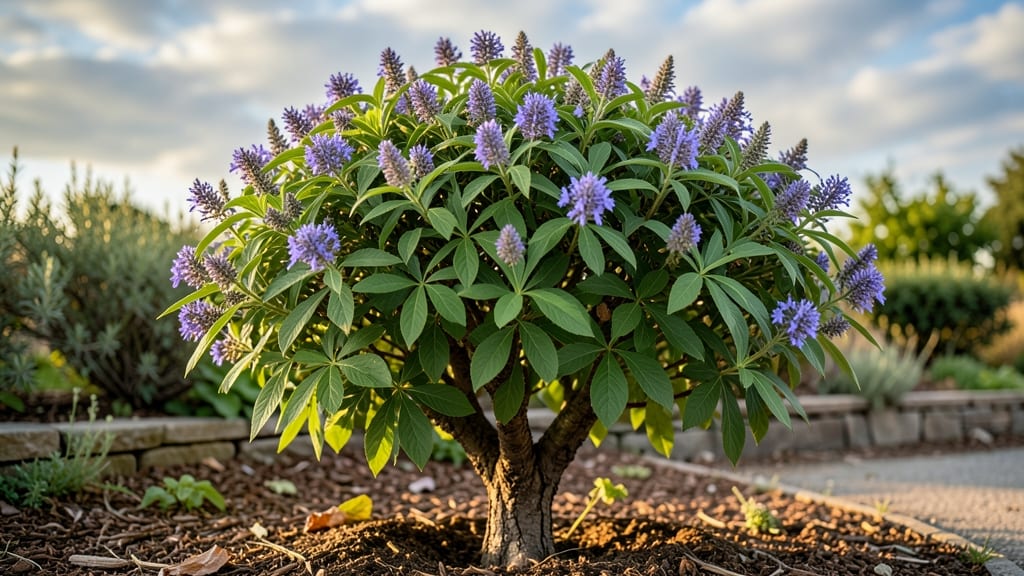
A vitex tree can grow up to 15 feet tall—taller than most backyard fences—if left unchecked, turning your landscape into a towering, fragrant statement piece.
If you’ve ever planted a vitex tree and watched it shoot up like a jungle giant overnight, you’re not alone—this fast-growing shrub can reach heights that turn your backyard into a vertical jungle.
But with the right pruning techniques, you can tame its growth and keep it at your ideal height.
The key to controlling its size lies in understanding your specific variety. Some, like the common chaste tree (Vitex agnus-castus), naturally top out around 10 feet, while others, such as Vitex rotundifolia, can stretch even taller.
Climate and soil also play a role—rich, well-draining soil and full sun will fuel its rapid growth, while pruning at the right time can keep it in check.
In this guide, you’ll discover how to plan your vitex’s placement, when to prune for maximum control, and which compact varieties work best for smaller spaces—so you can enjoy its stunning purple blooms without sacrificing your yard’s layout.


How tall does a vitex tree grow naturally: height expectations by variety
If you're dreaming of adding a vitex tree to your landscape, understanding its natural growth habits is key to planning your space. The Chaste Tree (Vitex agnus-castus) and other varieties can grow surprisingly tall—some reaching heights that rival small trees.
But their growth rates vary dramatically based on variety, climate, and care, so knowing what to expect helps you decide where to plant it.
Vitex trees are known for their fast growth rate, especially in warm climates. Without pruning, a mature vitex can shoot up to 10-15 feet tall within just a few years. However, some varieties stay shorter, making them ideal for smaller gardens or containers.
Let’s break down the height expectations by the most popular vitex varieties and how environmental factors influence their growth.
| Variety | Mature Height | Growth Rate | Climate Suitability | Pruning Needs |
|---|---|---|---|---|
| Vitex agnus-castus (Chaste Tree) | 10-15 ft | Fast (2-4 ft/year) | USDA Zones 5-9 | Regular pruning to control height |
| Vitex rotundifolia (Korean Lilac) | 6-10 ft | Moderate (1-3 ft/year) | USDA Zones 7-11 | Minimal pruning for shape |
| Vitex negundo (Five-Leaf Chaste Tree) | 10-12 ft | Fast (3-5 ft/year) | USDA Zones 6-10 | Heavy pruning for dense growth |
| Vitex 'Shirobana' (Dwarf Variety) | 6-8 ft | Slow (1 ft/year) | USDA Zones 7-10 | Light pruning for bushiness |
| Vitex 'Purpureus' (Purple Vitex) | 8-12 ft | Moderate (2 ft/year) | USDA Zones 6-9 | Prune to encourage flowering |
As you can see, the Chaste Tree (Vitex agnus-castus) is the tallest variety, often reaching 10-15 feet tall if left unpruned. This makes it a stunning focal point in large gardens or as a privacy screen.
However, if you’re working with limited space, varieties like 'Shirobana' stay more compact, maxing out around 6-8 feet, making them perfect for smaller yards or containers.
Climate plays a huge role in how fast your vitex grows. In warm, humid climates like Florida or Southern California, vitex can grow 2-4 feet per year, while in cooler zones like USDA Zone 5, growth may slow to just 1-2 feet annually.
Soil quality also matters—vitex thrives in well-draining, slightly alkaline soil with a pH of 6.0-7.5. Poor soil can stunt growth, so amending with compost or organic matter can give your tree a growth boost.
Young vitex trees start small, typically 2-4 feet tall in their first year. By year two, they can double in height, reaching 4-6 feet. If you’re planting vitex as a hedge or screen, plan for 3-5 years to reach full maturity.
This gradual growth gives you time to adjust your landscape design as the tree expands.
One of the biggest factors in controlling vitex height is pruning frequency. Without regular pruning, vitex can become unruly and top-heavy. I recommend pruning in late winter or early spring to shape the tree and encourage bushier growth.
For varieties like Vitex agnus-castus, cutting back 1/3 of the height annually can keep it manageable while still allowing it to flower beautifully.
If you’re growing vitex in containers or small spaces, choose dwarf varieties like 'Shirobana' or 'Purpureus'. These stay shorter but still produce stunning lavender or purple flowers that attract pollinators.
Even with dwarf varieties, pruning helps maintain their shape and encourages more blooms. A well-pruned vitex can look just as impressive as a towering one—it’s all about the care you put in!
For those in cooler climates, vitex may grow more slowly but can still reach impressive heights with proper care. In USDA Zone 5**, where winters are harsh, consider planting vitex near a south-facing wall to protect it from cold winds.
Mulching around the base also helps insulate the roots, encouraging faster growth once spring arrives.
Remember, vitex is a deciduous shrub that loses its leaves in winter, but its woody stems remain year-round. This makes it a great choice for year-round structure in your garden.
Whether you’re aiming for a tall privacy screen or a compact container plant, understanding your vitex’s growth potential helps you plan for success.
Now that you know what to expect, you’re ready to choose the perfect
Pruning secrets to control vitex height: step-by-step techniques
Controlling your vitex’s height starts with understanding its natural growth habits. Left unchecked, Vitex agnus-castus can soar to 10-15 feet tall, while Vitex rotundifolia stays more compact at 3-6 feet.
The key to managing this rapid growth lies in strategic pruning—timing, technique, and regular maintenance make all the difference. Without proper pruning, your vitex can become unruly, blocking sunlight or overwhelming your landscape design.
I’ve learned through trial and error that pruning vitex isn’t just about cutting branches—it’s about encouraging healthy growth patterns. The best time to prune is late winter or early spring, just before new growth begins.
This timing ensures you’re not removing next year’s flower buds, which form on old wood. For container-grown vitex, you can prune lightly throughout the growing season, but avoid heavy cuts after mid-summer to prevent weak growth before winter.
Decide whether you want to reduce height, shape the plant, or encourage bushier growth. Measure your desired height and mark it with a string or flag for reference.
Use clean, sharp pruners for small branches and a pruning saw for thicker stems. Sterilize tools with rubbing alcohol to prevent disease spread. Wear gloves—vitex leaves can irritate skin.
Start by cutting out dead, diseased, or crossing branches. These compete with healthy growth and can harbor pests. Aim for clean cuts at a 45-degree angle, just outside the branch collar.
For height reduction, cut back 1/3 of the tallest stems to your target height. Focus on upper branches to lower the plant’s center of gravity. Avoid cutting into old wood—new growth emerges from current season’s stems.
To promote width, trim top growth to encourage lateral branches. Cut just above a leaf node or bud to stimulate new shoots. This works best when done annually in spring.
For overgrown vitex, use rejuvenation pruning: cut back 1/2 to 2/3 of the plant to 12-18 inches tall in late winter. This drastic cut stimulates vigorous new growth from the base.
Remove all pruned material from the area to prevent disease. Water deeply after pruning and monitor for new growth in 4-6 weeks. Adjust future cuts based on how vitex responds to your pruning.
One of the biggest mistakes I’ve seen (and made!) is over-pruning in fall or winter. Vitex needs time to harden off before cold weather, and late cuts can leave it vulnerable to freeze damage.
Another common error is cutting too close to the trunk or into old wood—this can kill the branch or leave unsightly stubs. Always cut at the branch collar for a clean, healthy wound that heals quickly.
For container-grown vitex, pruning is even more critical since space is limited. I recommend pruning every 4-6 weeks during the growing season to maintain shape and prevent root-bound conditions. Use well-draining pots and upgrade container size every 2-3 years to accommodate root growth.
If you notice yellowing leaves or stunted growth, it’s a sign your vitex is root-bound and needs repotting.
With consistent pruning, your