
How To
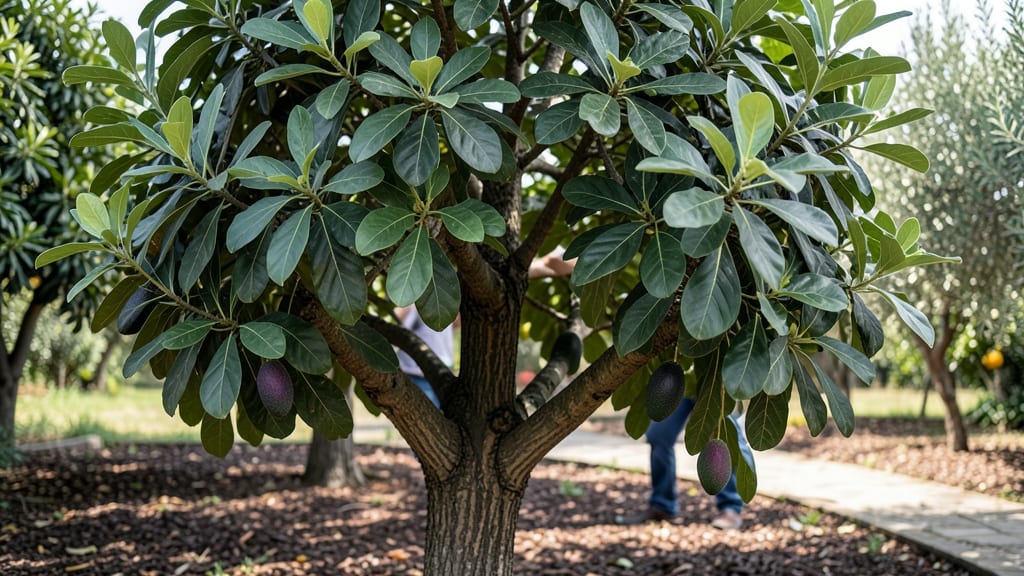
A Hass avocado tree how tall does a Hass avocado tree grow can reach 30–60 feet tall in the ground, but with the right tricks, you can keep it at a manageable 10 feet—even in a small yard or container.
Dreaming of growing your own Hass avocados but worried about space? The height of a Hass avocado tree can vary dramatically—from a manageable 10 feet to towering 60 feet—depending on how you cultivate it.
Whether you’re working with a dwarf variety or pruning a standard tree, the key is understanding how climate, container size, and pruning techniques can shrink that height without sacrificing fruit. With the right approach, you can enjoy fresh avocados even in an urban backyard or a sunny patio.
Below, I’ll break down the exact methods to control your Hass avocado’s height—from choosing the right variety to pruning tips that keep it compact while maximizing your harvest.


Hass avocado tree height: mature size vs. dwarf varieties explained
If you're considering growing a Hass avocado tree but lack space, understanding its mature height is critical. Standard varieties can reach 30-60 feet tall, while dwarf varieties stay between 10-15 feet. The difference comes down to grafting techniques and pruning practices—both of which I’ll explain in detail below.
Your climate plays a huge role too. In USDA Zones 9b-11, Hass trees grow naturally tall, but in cooler zones (like Zone 8a), they’ll need container growing or winter protection to survive, which can stunt their height.
Even in ideal conditions, soil quality and sunlight exposure influence how quickly—and how tall—a tree grows.
Here’s the key difference: Standard Hass trees are left to grow naturally, while dwarf varieties are grafted onto smaller rootstocks. This technique forces the tree to stay compact, making it perfect for small yards or containers. But don’t assume dwarf trees are low-maintenance—they still need proper care to thrive.
🌱
| Variety | Mature Height | Growth Rate | Best For | Pruning Needs |
|---|---|---|---|---|
| Standard Hass | 30–60 ft | Fast (3–6 ft/year) | Large properties | Minimal (structural) |
| Dwarf Hass | 8–15 ft | Moderate (1–3 ft/year) | Containers, small yards | Regular (shape control) |
| Semi-Dwarf Hass | 15–25 ft | Moderate (2–4 ft/year) | Medium yards, espalier | Moderate (annual) |
Note: Height varies with pruning, container size, and climate.
Pruning is your best tool for controlling height, even with standard varieties. By removing vertical growth and shaping the canopy, you can keep a Hass avocado tree at 10-15 feet—ideal for urban gardens.
I recommend pruning in late winter or early spring before new growth begins. This encourages horizontal branching, which supports more fruit production while keeping the tree manageable.
Soil drainage is another critical factor. Hass trees hate soggy roots, so well-draining soil (or a container with drainage holes) is non-negotiable. In container growing, choose a pot at least 24 inches wide for dwarf varieties, or 36 inches for semi-dwarfs.
The root system needs room to expand, but the container limits vertical growth naturally.
If you’re in a cooler climate, like Zone 8a, opt for a dwarf variety and move the container indoors during winter. Even a garage or sunroom can work if you provide bright, indirect light.
Without protection, frost will kill the tree, but with the right care, you can enjoy homegrown avocados year-round.
🪴
One common mistake is assuming all Hass trees are the same size. Dwarf varieties are specifically bred or grafted to stay small, but they still need full sun (6+ hours daily) and regular watering.
If you skimp on sunlight or water, the tree will grow slowly and produce fewer fruits—regardless of its variety. For best results, pair your dwarf Hass with a balanced fertilizer (like 6-6-6 NPK) every 4-6 weeks during the growing season.
For those with limited space, consider espalier training. This technique involves growing the tree flat against a wall or fence, reducing its footprint by up to 70%. It’s labor-intensive but rewards you with a compact, fruit-bearing tree that fits even in tiny yards.
Just ensure the wall gets full sun exposure and the tree has room to spread horizontally.
🌿
Best space-saving Hass avocado tree cultivation methods for small yards
If you love Hass avocados but lack yard space, don’t despair! With the right techniques, you can grow a productive avocado tree in containers or small spaces. The key lies in dwarf varieties, container growing, and strategic pruning methods to control height while maximizing fruit production.
Standard Hass avocado trees can reach 30-60 feet tall, but dwarf varieties and container cultivation can keep them between 8-15 feet. Even standard trees can be pruned to stay compact if you’re willing to put in the effort.
Let’s explore the best space-saving methods to fit Hass avocados into your urban garden.
- 🪴 Container Growing: Use 20-30 gallon containers for dwarf varieties. Ensure containers have drainage holes and well-draining soil to prevent root rot.
- ✂️ Pruning Techniques: Prune in late winter to remove overlapping branches and shape the tree. Use selective pruning to encourage fruit production while controlling height.
- 🌿 Espalier Training: Train the tree along a trellis or wall to grow flat. This method works well for small spaces and can keep the tree under 10 feet tall while increasing fruit exposure to sunlight.
- ☀️ Sunlight Needs: Place containers in full sun (6+ hours daily). South-facing windows or patios work best for urban growers. Use reflective surfaces to maximize light in shaded areas.
- 💧 Watering: Water deeply 2-3 times weekly in containers. Avoid letting soil dry out completely, as avocados are drought-sensitive but hate soggy roots.
For containers, choose a dwarf grafted Hass avocado like ‘Wurtz’ or ‘Bacon,’ which stay under 10-15 feet tall. Fill the container with a mix of cactus/succulent soil and perlite for optimal drainage. Place the container in a wheelbarrow or raised bed to make moving it easier if needed.
If you’re using espalier training, start by selecting 3-4 main branches and tie them to a horizontal trellis. Prune side shoots to encourage fruit-bearing branches along the trellis. This method not only saves space but also creates a decorative focal point in your garden.
Remember, even with space-saving methods, Hass avocado trees take 3-5 years to bear fruit. Patience and consistent care will pay off with homegrown avocados in even the smallest of spaces! 🌱