
Plants
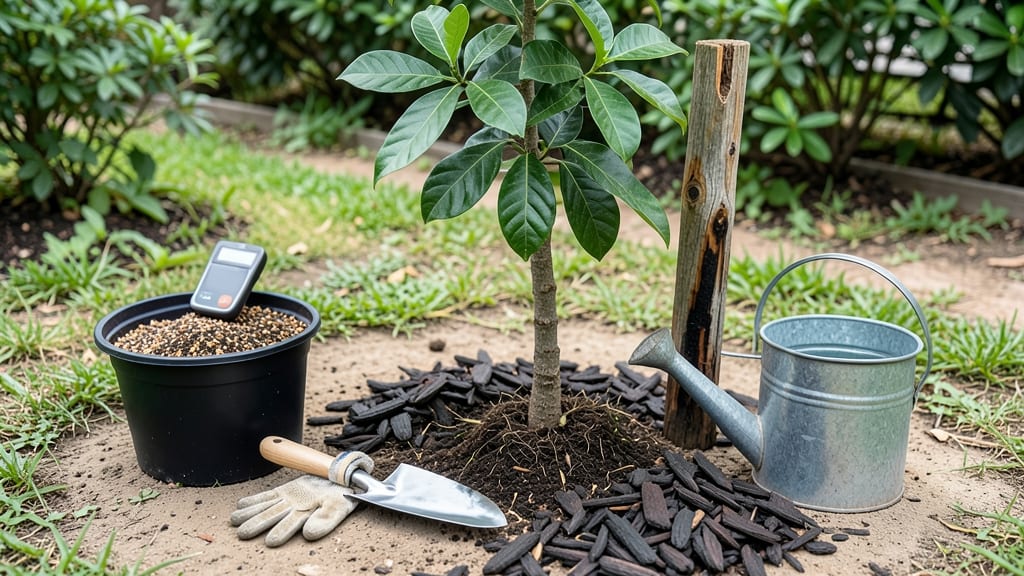
To plant an avocado tree in ground, aim for after the last frost in spring—when soil temperatures hit 60°F and stay warm for good root growth.
Planting an avocado tree at the wrong time can stunt its growth—or even kill it before it thrives. Timing depends on your climate zone, and getting it right ensures a healthy, fruit-bearing tree for years.
In Zone 6, wait until April or May, while warmer regions like Zone 10 can plant year-round.
Avocado trees 🥑 hate cold snaps, so avoid spring planting if late frosts linger. Instead, focus on soil prep: well-draining, slightly acidic earth with 6+ hours of sunlight. The key is patience—root establishment takes time, and rushing it can backfire.
Below, I’ll break down the exact planting windows by USDA zone, soil prep tips, and how to protect young trees from temperature swings. Ready to grow your own avocados? Let’s get started.
Best planting times for avocado trees by USDA climate zones
Avocado trees (Persea americana) thrive in warm climates but struggle with frost, making planting timing critical for survival.
In USDA zones 8-11, the ideal window varies—plant too early in cold zones, and frost will kill young roots; too late in hot zones, and summer heat stresses the tree before it establishes. Understanding your local microclimate (e.g., coastal vs. inland) further refines these guidelines.
For zones 8-9, aim for late winter to early spring when soil temperatures rise above 60°F (15°C). In zones 10-11, plant during cooler months (fall or winter) to avoid summer heat stress. Container-grown trees can adapt slightly, but ground-planted trees need perfect timing to avoid transplant shock.
Soil temperature is your best indicator—use a soil thermometer to confirm it’s consistently above 65°F (18°C) at 4 inches deep. In zone 9b, this typically aligns with November-January, while zone 10a allows year-round planting with winter being safest.
Microclimates like urban heat islands or coastal areas may shift these windows by 2-4 weeks.
Here’s a detailed comparison of optimal planting windows by zone, including frost-free periods and soil conditions:
In zone 8, where frost is a real threat, prioritize planting after the last frost date and use mulch to insulate roots. For example, in San Diego (zone 10a), you can plant anytime, but winter (December-February) gives roots time to establish before summer’s intense heat.
Always check local weather patterns—a late frost in March can still damage young trees planted in February.
For container-grown avocado trees, timing is slightly more flexible since you can move pots to sheltered areas. However, ground-planted trees need 6-8 weeks of warm soil before transplanting to avoid shock.
In zone 9b, this often means waiting until December even if soil warms earlier, to account for potential light frosts.
If you’re in a transition zone (e.g., zone 8b-9a), err on the side of caution and plant in late spring (May-June). These zones experience unpredictable frost, and a young tree’s roots won’t tolerate even a 28°F (-2°C) dip.
Use a frost cloth for the first two winters if planting in early spring.
Pro tip: Monitor local avocado orchards in your area—they’ve already adapted to your microclimate. If their trees are flowering in March, it’s safe to plant by February in your zone.
And always acclimate your tree for 1-2 weeks post-planting by gradually exposing it to outdoor conditions if it was container-grown.
Remember, soil drainage is just as critical as timing. Avocado trees hate soggy roots, so amend heavy clay soil with
How to prepare your soil and site for avocado tree planting
Before planting your avocado tree, preparing the soil and site is just as critical as choosing the right planting time. Avocados thrive in well-draining, slightly acidic soil with 6+ hours of sunlight daily.
Skipping these steps can lead to poor root growth, disease, or even tree death. Let’s break down the essential prep work to give your avocado the best start possible.
Start by testing your soil pH—avocados prefer a range of 5.5 to 7.0. If your soil is too alkaline, amend it with sulfur or peat moss to lower the pH gradually.
For heavy clay soils, mix in compost or sand to improve drainage. A soil test kit (available at garden centers) makes this easy and ensures accuracy.
Choose a sunny, sheltered spot for your tree. Avocados love full sun but can suffer in extreme heat or wind. If you’re in a hot climate, provide afternoon shade during the first year. Avoid low-lying areas where cold air pools, as avocados are frost-sensitive even in warmer zones.
🌱 Key Takeaway: When to Plant Avocado Tree in Ground
- 📅 Best Time: After last frost (Zone 6: April-May), or in cooler months (Zones 9-10: fall/winter).
- 🌡️ Soil Temp: Wait until soil is 60°F+ (use a soil thermometer).
- ☀️ Sunlight: 6+ hours daily; avoid afternoon shade in hot climates.
- 💧 Watering: Deep soak 1-2x weekly for first month; reduce as roots establish.
- 🌿 Soil Prep: Mix compost + sand for drainage; test pH (5.5-7.0).
Dig a planting hole twice as wide as the root ball but no deeper. This encourages roots to spread outward rather than circling. Loosen the native soil at the bottom of the hole to help roots penetrate easily.
If your soil is compacted, add a layer of organic matter like compost or well-rotted manure to the bottom.
Mulch around the base of your avocado tree with 3-4 inches of organic mulch (e.g., wood chips or straw). Mulch helps retain moisture, regulate soil temperature, and suppress weeds.
Keep mulch 6 inches away from the trunk to prevent rot. Water deeply after planting to settle the soil and remove any air pockets around the roots.
Finally, protect young trees from pests and wind with a windbreak or temporary fence. Avocados are sensitive to damage in their first year, so extra care now pays off with stronger growth and better fruit production down the road.
With the right prep, your tree will establish deep roots and thrive for decades.