
How To
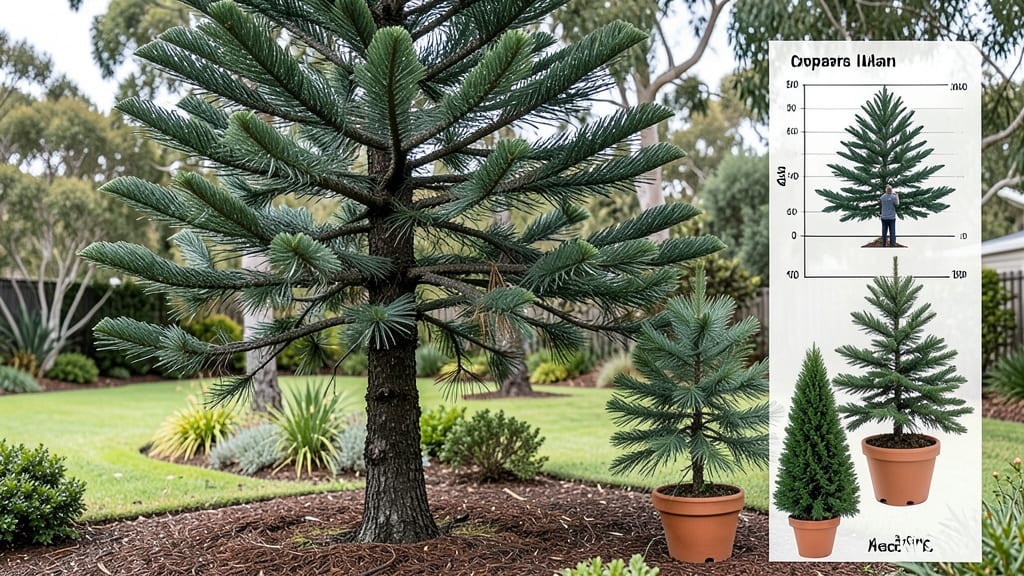
How tall can a Christmas tree grow? The answer spans a stunning range—from just 3 feet to towering heights of 60 feet, depending on the species and growing conditions.
Picture this: a Norway spruce stretching higher than your two-story house, its branches heavy with snow, or a dwarf Alberta spruce barely reaching your shoulders—both are real possibilities with the right care.
But how do you know which type will thrive in your yard or garden? The answer lies in understanding the genetics of each species, from the slow-growing Fraser fir to the sky-reaching Douglas fir, along with the role soil, sunlight, and pruning play in shaping their final height.
Whether you’re dreaming of a backyard giant or a compact holiday centerpiece, I’ll walk you through the factors that determine how tall your Christmas tree can grow—and how to steer it toward your ideal size.


Christmas tree height limits by species: from dwarf to giant varieties
If you’ve ever wondered how tall your Christmas tree could grow, the answer depends entirely on the species and growing conditions. Some varieties stay small enough for a patio, while others reach heights that dwarf a two-story house.
The key lies in their genetic growth potential, which is determined by the species and even specific cultivars. For example, a Fraser fir might stretch to 60 feet, while a Dwarf Alberta spruce stays under 6 feet—both are Christmas trees, but their skyward ambitions couldn’t be more different.
Understanding these differences helps you choose the right tree for your space, whether you’re dreaming of a towering holiday centerpiece or a compact tree for a balcony.
The mature height of a Christmas tree isn’t just about aesthetics—it also affects how much sunlight, water, and space the tree will need to thrive. Let’s explore the height ranges of popular species and how you can influence their growth.
| Species | Mature Height Range | Growth Rate (Per Year) | Best For |
|---|---|---|---|
| Fraser Fir | 40–60 ft | 1–3 ft | Large yards, commercial growers |
| Douglas Fir | 50–70 ft | 2–4 ft | Spacious properties, natural landscapes |
| Norway Spruce | 30–50 ft | 1–2 ft | Traditional holiday trees, cold climates |
| Scotch Pine | 30–50 ft | 1–2 ft | Drought-tolerant areas, ornamental use |
| Dwarf Alberta Spruce | 3–6 ft | 0.5–1 ft | Small spaces, containers, urban gardens |
| Nordmann Fir | 40–50 ft | 1–3 ft | Commercial farms, long-lasting holiday trees |
| Blue Spruce (Dwarf Cultivars) | 10–15 ft | 0.5–1.5 ft | Medium yards, privacy screens |
The Fraser fir and Douglas fir are the giants of the Christmas tree world, capable of reaching heights that make them more like small trees than shrubs. These varieties are popular with commercial growers because of their rapid growth and striking appearance.
If you’re planting one in your yard, be prepared to give it plenty of space—these trees aren’t just tall; they’re also wide, with canopies that can stretch 15–20 feet across at maturity.
On the opposite end of the spectrum, dwarf varieties like the Alberta spruce or miniature blue spruce are perfect for small gardens, patios, or even large containers. These trees are bred specifically to stay compact, making them ideal for urban gardeners or anyone with limited outdoor space.
Their slow growth rate means they’ll take years to reach even a few feet in height, but their low maintenance and ornamental value make them a favorite for year-round interest.
Genetics play a huge role in determining height, but growing conditions can also influence how tall a tree becomes. For instance, a Norway spruce might max out at 50 feet in ideal conditions, but if it’s planted in poor soil or lacks sunlight, it could stay significantly shorter.
Similarly, pruning practices can encourage a tree to grow taller or wider, depending on your goals. If you’re growing a Christmas tree for its holiday appeal, you might prioritize height, but if it’s for ornamental purposes, you could shape it to stay more compact.
For those who want a middle-ground option, semi-dwarf varieties like the Blue Spruce offer a balance. These trees typically reach 10–15 feet at maturity, making them suitable for medium-sized yards. They grow faster than dwarf varieties but still stay manageable compared to their towering counterparts.
If you’re unsure about committing to a full-sized tree, a semi-dwarf is a great compromise—it gives you the height you want for holiday displays without overwhelming your landscape.
One common misconception is that all Christmas trees grow at the same rate. In reality, some species like the Douglas fir can grow 2–4 feet per year under ideal conditions, while others like the Dwarf Alberta spruce might only add a few inches annually.
This difference is why it’s crucial to research the specific variety you’re interested in before planting. If you’re working with limited space, a slow-growing dwarf might be your best bet, while a fast-growing fir could be the way to go if you’re planning for a future holiday centerpiece.
When choosing a Christmas tree, also consider its root system. Some varieties, like the Nordmann fir, have deep roots that allow them to access water and nutrients from deep in the soil, supporting their rapid growth.
Others, like dwarf cultivars, often have shallower root systems, which is why they’re better suited for containers or smaller planting areas. Understanding these differences can help you select a tree that not only fits your height preferences but also thrives in your specific growing conditions.
If you’re growing a Christmas tree for its holiday appeal, you might
Factors that determine how tall your Christmas tree will grow
Your Christmas tree’s height isn’t just luck—it’s a mix of genetics, environmental conditions, and your care routine. While some species naturally reach 60+ feet, others stay compact at just 3-6 feet.
Understanding these factors lets you control whether your tree becomes a towering centerpiece or a manageable shrub.
The soil quality plays a starring role. Rich, well-draining soil packed with organic matter (like compost) fuels rapid growth, while poor or compacted soil stunts it.
For example, a Douglas fir in nutrient-dense soil can grow 3 feet per year, while the same tree in clay-heavy soil might only reach 1 foot annually. Always test your soil’s pH—most Christmas trees thrive in acidic soil (pH 5.0-6.5).
🌱 Key Factors Controlling Christmas Tree Height
| Factor | Impact on Growth |
|---|---|
| 🌿 Soil Quality | Poor soil = stunted growth; rich soil = 3x faster height gain |
| ☀️ Sunlight | Full sun (6+ hours/day) maximizes growth; shade reduces height by 40% |
| 💧 Water Needs | Deep watering weekly; drought stress slows growth by 50% |
| ✂️ Pruning | Over-pruning stunts height; strategic cuts encourage taller, fuller growth |
| 🌡️ Climate Zone | Cold zones (USDA 5-6) slow growth; temperate zones (7-9) boost 20-30% faster height |
💡 Pro Tip: For dwarf varieties, prioritize well-draining soil and limited water to keep them compact.
Sunlight exposure is another game-changer. Christmas trees need 6+ hours of direct sun daily to reach their full height potential. A Fraser fir in partial shade might only grow to 30 feet, while the same tree in full sun could hit 50 feet.
If you’re growing trees in containers or urban areas, supplement with grow lights during winter months to maintain growth momentum.
Watering habits directly influence height, too. Deep, weekly watering encourages strong root development, which translates to taller growth. Shallow watering or drought stress forces trees to allocate energy to survival rather than height.
For example, a Norway spruce in a drought-prone area might grow 10 feet in 5 years, while one with consistent moisture could reach 20 feet in the same time.
Pruning practices can either accelerate or limit height. If your goal is a taller tree, avoid heavy pruning of the top branches, which can stunt vertical growth. Instead, focus on shaping lower branches to encourage upward energy flow.
For dwarf varieties, regular pruning keeps them bushy and compact. Timing matters too—prune in late winter or early spring to avoid stressing the tree during its growth phase.
Finally, your climate zone sets the baseline for growth rates. Trees in cold climates (USDA zones 5-6) grow slower due to shorter growing seasons, while those in temperate zones (7-9) can grow 20-30% faster.
For instance, a Douglas fir in California might reach 40 feet in 10 years, whereas one in Minnesota could take 15 years to reach the same height. Adjust your care routine based on local conditions—more water in dry zones, extra mulch in cold areas.