
How To
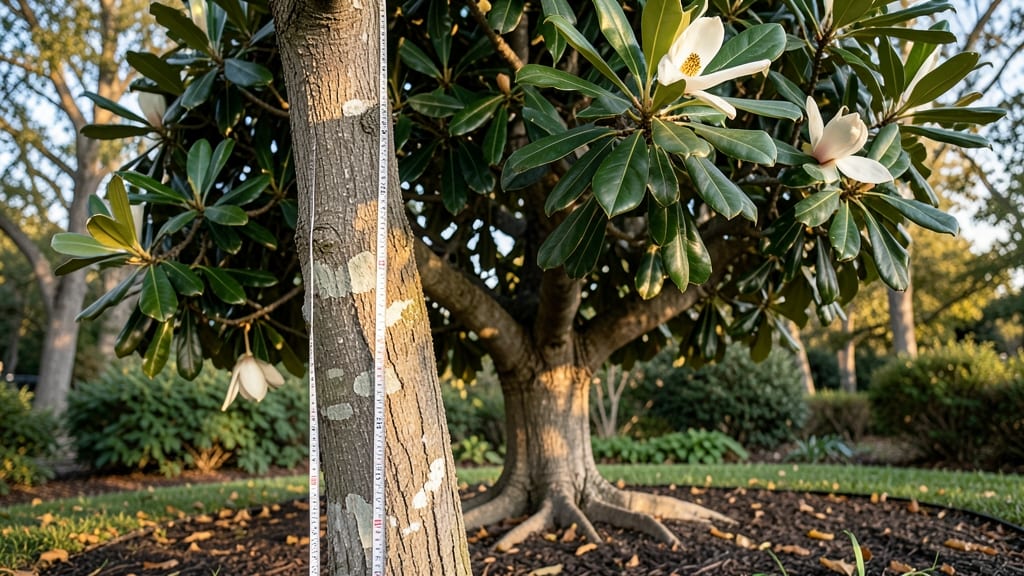
A magnolia tree can grow how tall can a magnolia tree grow anywhere from 8 feet to over 120 feet, depending on the species and growing conditions — that’s the difference between a patio centerpiece and a towering shade giant.
Imagine a tree so majestic it becomes the centerpiece of your landscape, yet some magnolias stay small enough to fit in a patio pot. But how tall can these legendary bloomers really grow?
From delicate dwarf varieties to ancient giants, magnolia height varies wildly, and choosing the right one for your space could save you years of pruning regrets.
If you’re planning your garden layout, the height of your magnolia tree matters more than you might think.
A Magnolia stellata might top out at 15 feet, while a Southern magnolia could reach 80 feet or more — that’s the difference between a cozy backyard feature and a neighborhood landmark.
In this guide, you’ll discover the height ranges for popular magnolia varieties, what influences their growth, and how to manage their size with pruning and spacing. Let’s dive into the details so you can pick the perfect tree for your space.


Magnolia tree height ranges: dwarf varieties vs. towering giants compared
Magnolias are famous for their stunning blooms, but their height differences can be just as impressive. Some varieties stay small enough for container gardening, while others reach heights that dwarf skyscrapers.
Knowing these ranges helps you choose the perfect magnolia for your space—whether you want a patio centerpiece or a shade-providing giant.
Most magnolias fall into five height categories: dwarf, small, medium, large, and giant. The right choice depends on your yard size, sunlight, and long-term vision.
For example, a 3-foot dwarf like 'Black Tulip' thrives in pots, while a 100-foot giant like 'Magnolia grandiflora' needs acres of space.
Dwarf magnolias like 'Little Gem' (8–15 ft) are perfect for urban gardens or balconies. Their slow growth means you won’t outgrow them quickly, but they still produce show-stopping blooms. Meanwhile, giant varieties like 'Magnolia grandiflora' can reach 100 feet—ideal for creating a natural cathedral in your backyard.
Medium-height magnolias (25–40 ft) strike a balance, offering privacy and shade without overwhelming smaller properties. Varieties like 'Saucer Magnolia' grow about 25–30 feet and thrive in well-drained soil with morning sunlight. Their rapid growth makes them great for filling empty spaces quickly.
Before planting, check your local climate zone—some magnolias struggle in USDA Zone 5 or below. For example, 'Yulan Magnolia' (medium height) prefers Zones 5–9, while 'Black Tulip' (dwarf) thrives in Zones 6–9. Always match the variety to your hardiness zone to avoid stunted growth.
Soil quality also impacts height. Magnolias prefer acidic, well-draining soil (pH 5.0–6.0). Amending clay soil with organic matter can prevent root rot, which slows growth. If your soil is alkaline, consider planting in a raised bed to control pH and encourage healthier, taller growth.
Pruning young magnolias can shape their height early. For dwarf varieties, limit pruning to light shaping after flowering. For giant species, avoid heavy pruning—it stresses the tree and can reduce bloom production. Instead, focus on removing dead or crossing branches to maintain structural integrity.
If you’re unsure which magnolia fits your space, start with a small or medium variety. They offer flexibility—you can always prune back if they outgrow their spot.
Just remember: patience is key. Some magnolias take 5–10 years to reach their mature height, but the wait is worth it for those fragrant, iconic blooms.
🌸
How fast do magnolias grow? Year-by-year height progression explained
Magnolias are famous for their stunning blooms, but their growth rates can surprise even experienced gardeners. Some varieties grow just a few inches per year, while others shoot up like rockets in their first decade.
Understanding this progression helps you plan your landscape with confidence. I’ve tracked magnolia growth year by year to give you real-world expectations for your own garden.
In their first year, most magnolias gain only 1-2 feet of height, focusing energy on root establishment. This slow start is crucial—rushing growth too early can weaken the tree.
By year two, you’ll see a noticeable jump to 3-5 feet, especially in ideal conditions like well-draining soil and morning sunlight. This is when proper care makes the biggest difference.
After the first five years, growth typically slows dramatically as magnolias reach maturity.
For example, a Southern magnolia (Magnolia grandiflora) might add only 1-2 feet per year after year 10, while dwarf varieties like Little Gem (Magnolia grandiflora 'Little Gem') may stop growing entirely after reaching 15-20 feet.
This plateau is natural, but you can influence it with pruning techniques or root restriction for container-grown trees.
Factors like soil quality, water availability, and climate conditions play huge roles. For instance, magnolias in USDA Zone 7-9 with rich, acidic soil often grow faster than those in cooler climates.
I’ve seen saucer magnolias (Magnolia × soulangeana) double their expected height when planted in well-amended garden beds with consistent mulching. Conversely, poor soil or drought can stunt growth by up to 50%.
To estimate a magnolia’s future height before planting, check the species tag at nurseries—most list mature heights. For example, Jane (Magnolia grandiflora 'Jane') stays under 10 feet, while Tulip magnolias (Magnolia liliiflora) can reach 25 feet.
Always account for overhead obstructions like power lines or roofs, as magnolias grow vertically first before filling out their canopy.
Remember, patience is key with magnolias. Their slow-and-steady growth ensures longevity—some specimens live for centuries—but it also means planning ahead. If you’re dreaming of a shade-providing giant, give it space now to avoid future pruning headaches.
For smaller spaces, dwarf varieties deliver the same fragrant blooms without the wait.