
Container Gardens
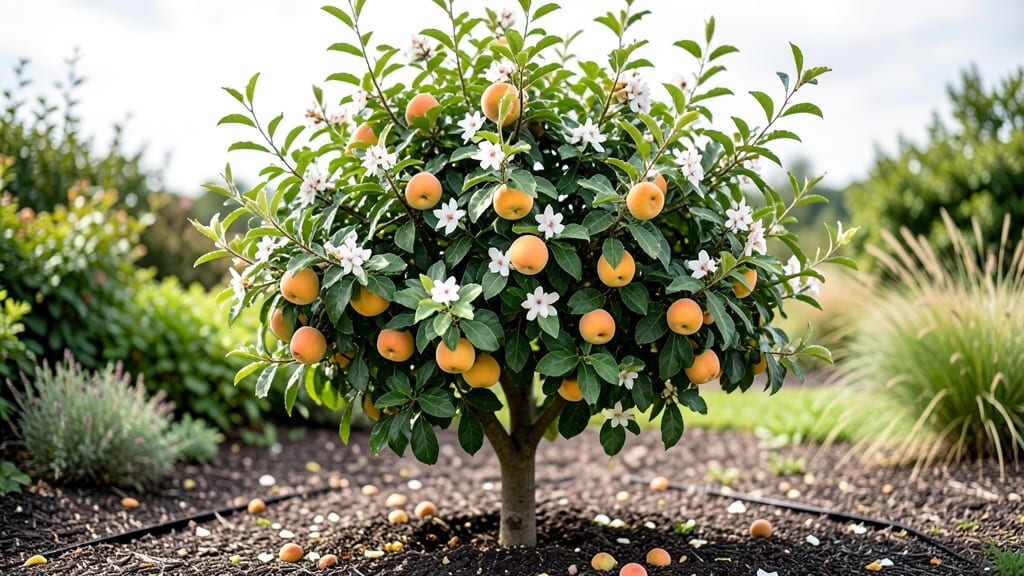
Donut peach trees grow best in USDA growing zones 5 through 9, where they can handle winter temperatures down to -15°F (-26°C) while still producing sweet, flavorful fruit. These trees need full sun exposure and well-draining soil to thrive.
Donut peach trees are prized for their compact size and prolific fruit production, but their success depends heavily on climate conditions. 🌳 Unlike standard peach varieties, these dwarf trees have adapted to survive in colder regions by entering dormancy during winter months, which helps them withstand freezing temperatures.
However, they still require at least 500-700 chilling hours below 45°F (7°C) to set fruit properly—something zone 5 gardeners can rely on, while zone 9 growers must monitor winter protection.
When planting, focus on soil preparation and sun exposure—these trees demand at least 6-8 hours of direct sunlight daily and soil that drains quickly to prevent root rot. In marginal zones, young trees benefit from winter wraps or mulch blankets to shield them from sudden temperature drops.
The key is balancing cold tolerance with consistent warmth during growing seasons to maximize fruit quality.
💡 In This Article
- Peach Tree Cold Hardiness and Zone 5-9 Survival Guide
- Planting Donut Peach Trees: Soil, Sun, and Seasonal Care
Peach tree cold hardiness and zone 5-9 survival guide
Donut peach trees survive zones 5-9 thanks to their dormancy cycle, which triggers when temperatures drop below 45°F (7°C) for extended periods.
This adaptation allows them to endure winter lows down to -15°F (-26°C) by entering a metabolic slowdown, conserving energy while protecting delicate tissues. 🌟 Unlike tropical fruit trees, these varieties have evolved to handle seasonal temperature swings, but their success depends on accumulating 500-700 chilling hours—a critical threshold for proper fruit bud formation.
The science behind their cold tolerance lies in antifreeze proteins produced during dormancy, which prevent ice crystal formation in cell walls. However, sudden temperature spikes above 70°F (21°C) during winter can disrupt this process, leading to premature bud break—a common issue in zone 9 where mild winters create false springs.
This explains why zone 5 gardeners often see better fruit set: consistent cold periods ensure reliable chilling hours.
Frost damage occurs when temperatures drop below -10°F (-23°C) for more than 24 hours, causing cellular dehydration in flower buds. Young trees are especially vulnerable, which is why zone 6-7 growers should use tree wraps or frost cloths during extreme cold snaps.
Interestingly, donut peach trees recover faster from frost than standard varieties due to their smaller size—less biomass means quicker rebound once temperatures rise.
Heat tolerance becomes the limiting factor in zones 8-9, where summer temperatures frequently exceed 95°F (35°C). Prolonged heat stress causes fruit drop and reduces sugar content in peaches.
To mitigate this, provide afternoon shade during peak summer months and maintain consistent soil moisture—drought conditions accelerate heat damage by 30-40%.
Consider these key factors when evaluating your microclimate:
- Chilling hours: Verify your local winter averages—zone 5 typically meets requirements, while zone 9 may need supplemental chilling methods
- Frost-free dates: Plant after your last frost (10-14 days before average last frost date) to avoid early-season cold damage
- Urban heat islands: City locations can push microclimates into zone 10 conditions, requiring additional heat management
For marginal zone gardeners, strategic placement near south-facing walls or using windbreaks can raise microclimate temperatures by 5-10°F (3-6°C), effectively extending the growing season. The payoff? Healthier trees with 20-30% larger fruit yields compared to unprotected counterparts. 💫