
How To
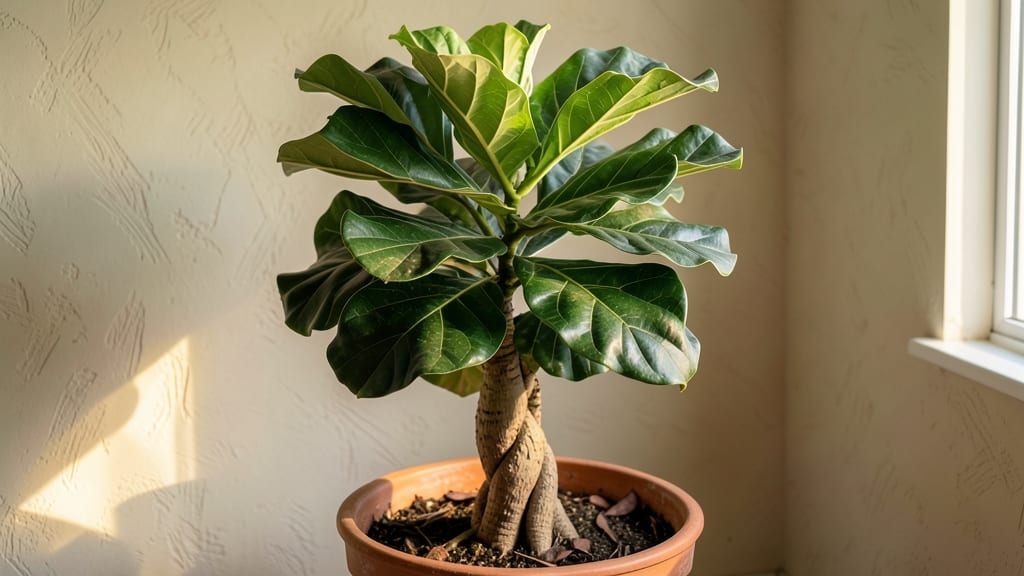
A ficus tree grows to how tall does a ficus tree grow, ranging from a cozy 8 feet to towering 50 feet, depending on the species and care you provide.
If you're dreaming of a lush indoor jungle or a towering outdoor statement tree, understanding how tall ficus trees grow is key—because some varieties can stretch skyward while others stay perfectly manageable.
Whether you're working with a dwarf variety like the Ficus lyrata or a fast-growing Ficus benjamina, knowing the growth potential helps you plan your space and pruning strategy.
In this guide, I’ll break down the height ranges for popular ficus species, share tips to control their size, and help you choose the perfect variety for your home or garden.


Ficus tree height guide: dwarf varieties vs. giant species explained
Choosing a ficus tree often comes down to space—whether you have a cozy apartment or a sprawling backyard. The height of a ficus can vary dramatically between species, with some reaching skyscraper proportions while others stay compact enough for tables.
Understanding these differences helps you pick the perfect ficus for your home or garden.
Ficus trees grow at different rates depending on their species, care, and environment. Some varieties, like the Ficus elastica, can grow taller than 50 feet outdoors, while others, such as the Ficus benjamina 'Exotica', stay under 10 feet even at maturity.
The key is knowing which species fits your space and growth goals.
Below, I’ve broken down the height ranges of popular ficus varieties, including their growth rates and mature sizes. Whether you want a towering statement plant or a manageable houseplant, this guide will help you make an informed choice.
| Variety | Mature Height (Outdoors) | Indoor Height (With Pruning) | Growth Rate (Per Year) | Best For |
|---|---|---|---|---|
| Ficus elastica (Rubber Plant) | 10–50 ft | 6–10 ft | 1–3 ft | Large spaces, statement plants |
| Ficus benjamina (Weeping Fig) | 20–40 ft | 5–12 ft | 1–2 ft | Indoor/outdoor, apartments |
| Ficus lyrata (Fiddle-Leaf Fig) | 10–20 ft | 6–10 ft | 1–2 ft | Indoor focal points, large rooms |
| Ficus benjamina 'Exotica' (Dwarf) | 8–12 ft | 4–6 ft | 6–12 inches | Small spaces, desks, shelves |
| Ficus microcarpa (Ginseng Ficus) | 30–50 ft | 10–15 ft | 1–2 ft | Outdoor landscapes, bonsai |
The Ficus elastica, or rubber plant, is one of the fastest-growing ficus varieties, capable of reaching 50 feet outdoors in ideal conditions. Indoors, its growth slows due to limited space, but it can still grow 3 feet per year if given proper care.
This makes it a favorite for those who want a bold statement plant without committing to a massive outdoor tree.
On the other hand, the Ficus benjamina 'Exotica' is a dwarf variety designed for small spaces. It rarely exceeds 6 feet indoors, making it perfect for apartments or offices. Its slower growth rate—only 6–12 inches per year—means you won’t need to prune it as frequently, saving time and effort.
If you’re torn between a tall and compact ficus, consider the Ficus lyrata, or fiddle-leaf fig. While it can grow up to 20 feet outdoors, its indoor height is easily managed with pruning. This variety strikes a balance, offering dramatic foliage without requiring a dedicated outdoor space.
For outdoor gardens, the Ficus microcarpa is a powerhouse, often growing taller than a two-story building. Its thick trunk and dense canopy make it ideal for privacy screens or shade trees. However, its size means it’s best suited for large properties where its full height can be appreciated.
Light exposure plays a huge role in determining how tall your ficus grows. Most ficus varieties thrive in bright, indirect light, which encourages steady growth. Placing your ficus near an east-facing window provides the ideal balance of light without risking leaf burn from harsh afternoon sun.
Pruning is another critical factor in controlling height. Regular pruning not only keeps your ficus at a manageable size but also encourages bushier growth.
For example, pinching back the tips of young branches on a Ficus benjamina can turn it from a tall, leggy plant into a full, rounded shr
How to control ficus tree height: pruning tips for small spaces
Keeping your ficus tree at a manageable height is easier than you think—especially when you use the right pruning techniques. Whether you're dealing with a 10-foot indoor variety or a 50-foot outdoor giant, strategic pruning can transform a leggy tree into a lush, compact plant.
The key is timing, tools, and understanding how ficus trees respond to cuts.
Before you grab your shears, know that ficus trees grow best when pruned during their active growing season—typically spring or early summer. This is when they recover fastest and produce the most vigorous new growth.
For dwarf varieties, you’ll focus on shaping and encouraging bushiness, while larger species may need more aggressive height control.
Step-by-Step Ficus Pruning Guide
- 1
- 2
- 3
- 4
- 5
If your ficus tree is growing too tall for its space, don’t wait until it’s out of control. Prune 1/3 of the height at a time to avoid shocking the plant.
For example, if your tree is 8 feet tall and you want it at 5 feet, reduce it by 3 feet in stages over 2-3 pruning sessions spaced a month apart.
For bushier growth, focus on pruning the upper third of the tree. This redirects energy to the lower branches, creating a fuller, more balanced shape. Pair this with regular rotation of the pot to ensure even light exposure on all sides.
Remember, ficus trees are resilient, but they reward patience. Over-pruning can stress the plant, so always leave at least 2-3 healthy leaves per branch. With the right approach, you’ll have a perfectly sized ficus that thrives in your space—whether it’s a small apartment or a sunny patio. ✂️🌿🌳