
Container Gardens
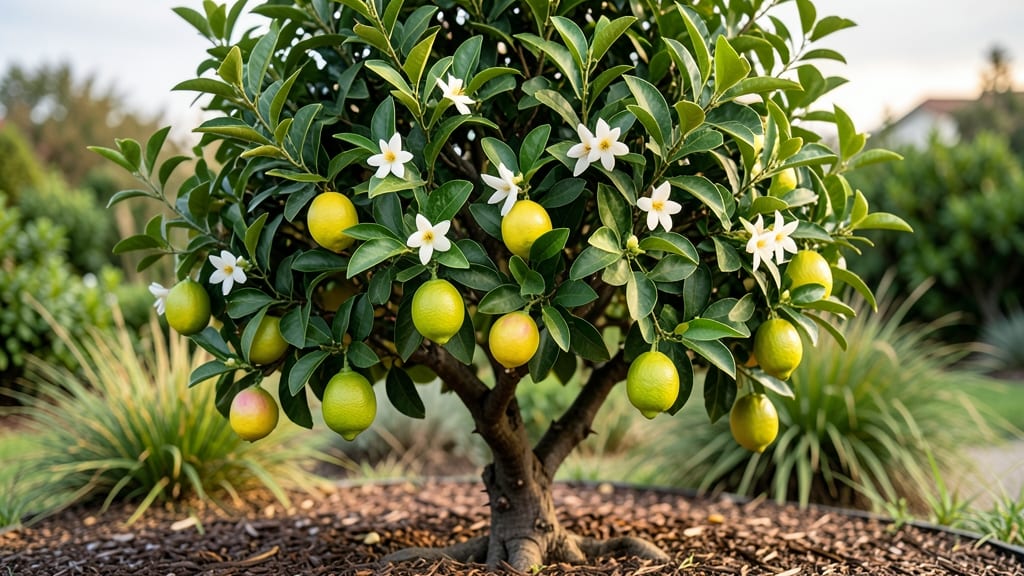
Growing a Meyer lemon tree in zones 8a-10b is totally doable with the right approach—this cold-hardy citrus thrives where others fail, especially with winter protection.
If you’ve ever dreamed of growing your own Meyer lemons but live in a cooler climate, you’re in luck—this cold-hardy citrus variety can thrive in USDA zones 8a through 10b with the right care.
Unlike tropical lemons, this variety handles temperatures down to 20°F when properly protected, making it a game-changer for container gardens in Zone 8.
Whether you’re planting in-ground or in a pot, the key is understanding your microclimate—coastal areas stay milder, while inland zones need extra insulation. I’ll walk you through the best zones, winter prep, and how to keep your 🍋 producing fruit year after year, even in chilly springs.
From frost blankets to dwarf varieties, you’ll discover exactly how to extend the growing season and avoid common pitfalls that kill citrus trees in marginal climates.
Understanding Meyer lemon tree growing zones and climate needs
Growing a Meyer lemon tree in cooler climates is absolutely possible if you understand its USDA zone requirements and microclimate needs. Unlike traditional lemons, Meyer lemons are one of the most cold-hardy citrus varieties, making them ideal for gardeners in zones 8a through 10b.
However, success depends on knowing how to adapt care based on your specific climate conditions.
The Meyer lemon tree thrives in zones where winter temperatures rarely drop below 20°F (-6°C). In zones 8a and 8b, where frost is more common, you’ll need extra protection to prevent damage.
Meanwhile, gardeners in zones 9a through 10b can enjoy year-round growth with minimal stress. Understanding these temperature tolerances is the first step to creating the perfect environment for your tree.
Microclimates play a huge role in Meyer lemon tree success. Coastal areas, for example, often have milder winters due to ocean breezes, while inland regions may experience more extreme temperature swings. Even within the same zone, your tree’s location—whether in a sunny patio, container garden, or in-ground planting—can affect its resilience. Let’s break down how to optimize your tree’s growing conditions based on your zone.
In zone 8a, where winters can be harsh, your Meyer lemon tree will need extra care to survive. The key is to use containers that can be moved indoors or wrapped in bubble wrap during cold snaps.
A thick layer of mulch around the base of the tree can also insulate roots from freezing temperatures. For in-ground planting in zone 8a, consider planting near a south-facing wall to capture extra warmth.
Gardeners in zone 8b have a slightly easier time, but frost can still be a threat. Here, you can experiment with both container growing and in-ground planting, depending on your microclimate.
If you live near the coast, ocean breezes may protect your tree from frost, while inland areas might require frost cloth or even a greenhouse setup for extreme cold snaps. Always monitor your local frost dates to plan accordingly.
For those in zones 9a through 10b, life gets much easier. Your Meyer lemon tree can thrive with minimal protection, though occasional light frost in zone 9a might still require covering young trees. In these warmer zones, focus on providing <
Best practices for growing Meyer lemon trees in cold-hardy zones
Growing a Meyer lemon tree in USDA zones 8a-10b requires strategic planning, especially if you're pushing the limits in zone 8a. The key is combining container growing with proper seasonal adjustments to protect your tree from frost damage.
I’ve successfully grown Meyer lemons in zone 8b by treating them like tender perennials—bringing them indoors or insulating them during winter.
Start with a dwarf Meyer lemon variety like 'Improved Meyer' or 'Meyer Lemon Dwarf', which are better suited for container culture and easier to move when needed. These varieties stay compact (6-8 feet tall) but produce abundant fruit.
Choose a large container (15-20 gallons) with drainage holes to prevent root rot, a common issue in cooler climates where water evaporates slower.
Your soil mix should be well-draining and slightly acidic (pH 6.0-7.0). I blend cactus/succulent mix with perlite and compost to create a loose, airy medium that mimics the tree’s native Mediterranean conditions. Avoid heavy garden soil, which retains too much moisture and can suffocate roots in cooler weather.
⚠️ WARNING: Frost is the #1 threat to Meyer lemon trees in cold-hardy zones ⚠️
🌡️ Critical Frost Protection Tips for Zones 8a-8b
❄️ Never leave your Meyer lemon tree outdoors when temperatures drop below 28°F (-2°C). Even young trees can suffer irreversible damage from light frost. Use these emergency measures:
- 🪴 Move containers indoors to a garage, sunroom, or even a heated basement (avoid drafty areas).
- 🧥 Wrap the pot in bubble wrap or frost cloth for added insulation if you can't bring it inside.
- 🌡️ Use a space heater (safely!) near the tree if temperatures dip below 20°F (-7°C).
- ❄️ Mulch heavily around the base with straw or leaves (6+ inches) for in-ground plants.
Pro Tip: Monitor your local frost-free date (typically late April in zone 8a) to time outdoor placement. Delay moving trees outside until all danger of frost has passed.
Watering your Meyer lemon tree in cooler zones requires a balanced approach. During spring and summer, water deeply every 2-3 days (more frequently in containers), but reduce frequency in fall and winter.
Let the top 1-2 inches of soil dry out between waterings to prevent root rot. I use a moisture meter to check soil conditions—Meyer lemons hate soggy roots but also struggle with drought stress.
Fertilize your tree with a balanced citrus fertilizer (6-6-6 NPK) every 6-8 weeks during the growing season (spring through early fall). In zone 8a, I stop fertilizing by mid-October to encourage root hardening before winter.
Use half the recommended dose in containers, as they dry out faster and can burn roots more easily.
To maximize fruit production, prune your Meyer lemon tree in late winter or early spring (just before new growth begins). Remove any dead or diseased branches and thin out crowded growth to improve air circulation.
Avoid heavy pruning in zone 8a—focus on shaping rather than aggressive cutting, as stressed trees are more vulnerable to winter damage. A light pruning in summer can also encourage new growth before the cooler months.
With these cold-hardy strategies, you can enjoy homegrown Meyer lemons even in marginal climates. Start small with a container-grown dwarf variety, protect it from frost, and give it the right soil and water—your efforts will be rewarded with sweet, juicy fruit year after year. 🍋