
Pruning
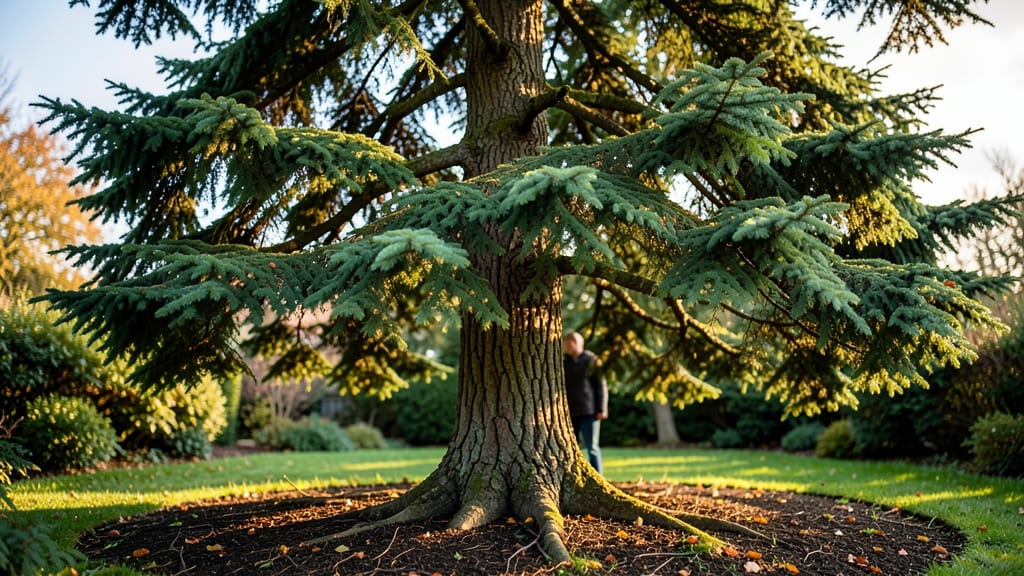
Stumped by that towering shade provider in your yard? 🌳 Identifying trees starts with three simple clues: leaf shape, bark texture, and growth habit—details that instantly narrow down options from oak to maple to pine.
I’ve used this method to ID everything from a mysterious backyard giant to a neighbor’s ornamental beauty, and it works every time without guessing. The key is comparing what you see to trusted sources.
Snap photos of leaves, bark, and any fruit or flowers, then cross-check with apps like LeafSnap or field guides from your local extension office. Common look-alikes (like red maple vs. silver maple) trip up even experienced gardeners—so always verify with at least two references. My first misstep?
Assuming a ginkgo’s fan-shaped leaves meant it was a sweetgum until I spotted those distinctive “maidenhair” fronds. You’ll walk away knowing your tree’s exact species, its care needs, and even its potential risks (like aggressive roots or messy fruit).
No more vague “I think it’s an oak” guesswork—just clear, actionable ID that transforms curiosity into confidence. Ready to solve the mystery? Let’s break it down step by step.
Start with the leaves: Are they lobed, serrated, needle-like, or smooth-edged? Note their size, arrangement (alternate or opposite), and whether they’re simple or compound. Bark tells another story—smooth and gray (like birch) or deeply furrowed (like oak)?
Seasonal changes matter too: Do flowers appear in spring, or do you spot winged samaras in fall? Jot down these details before you even open an app.
For tricky cases, combine clues with tools. Apps like PictureThis or iNaturalist let you upload photos and get instant matches, but always double-check with a physical guidebook for your region. Local arborists or university extension offices often host free tree-ID workshops—perfect for hands-on learning.
My biggest breakthrough came when I realized my “maple” was actually a boxelder, thanks to a sharp-eyed volunteer at a garden center.
Regional variations mean what grows in your yard might not match every online database. If your tree doesn’t fit common species in your area, consider climate shifts or escaped ornamentals.
The goal isn’t just a name—it’s understanding how to care for (or coexist with) the tree you’ve got. Now grab your phone and let’s get identifying!
How Trees End Up Unrecognized
Ever walked past a towering oak or a delicate birch in your yard and thought, "Huh… what even is this?" 🌳🤔 The mystery of unidentified trees isn’t just about aesthetics—it’s rooted in biology, ecology, and even human behavior. Here’s why your yard’s green giants might be playing hide-and-seek with you.
Trees are masters of disguise, and their leaves are their primary tool. Many species share similar leaf shapes—elliptical, lobed, or needle-like—making them nearly identical at first glance. For example:
- Maples and oaks both have lobed leaves, but maples typically have smooth edges and oaks have bristle-tipped lobes.
- Pine and spruce needles cluster differently: pines grow in bundles of 2–5, while spruces attach singly to branches.
- Seasonal confusion: Deciduous trees shed leaves in fall, while evergreens retain theirs—but some, like ginkgo, turn golden before dropping, mimicking autumn colors of other species.
Actionable tip: 🔍 Examine leaves up close (use a magnifying glass!) and note:
- Edge texture (smooth, serrated, lobed?)
- Venation pattern (feather-like vs. palmate)
- Arrangement (alternate vs. opposite on the stem)
Trees don’t just hide in their canopies—their trunks and branches hold clues that even seasoned gardeners overlook. Here’s what to watch for:
| Feature | What It Reveals | Example |
|---|---|---|
| Bark texture | Rough, scaly, or smooth bark can narrow it down to oak, birch, or sycamore families. | 🌳 White birch has peeling papery bark; American beech has smooth, gray bark. |
| Branch arrangement | Alternate (staggered) vs. opposite (paired) branching. | 🌿 Maples have opposite branches; willows have alternate. |
| Trunk ridges | Deep furrows (like hickory) vs. shallow grooves (like elm). | 🪵 Shagbark hickory has plated, peeling bark; red oak is blocky and ridged. |
Why it matters: Many trees mimic others in one trait (e.g., leaf shape) but differ drastically in bark or branch structure. A quick trunk inspection can separate a red maple from a sugar maple—the latter has smoother bark and taller ridges.
Not all trees thrive everywhere. Your yard’s tree lineup is influenced by:
🌎 Climate & Soil
Trees adapt to local conditions. For example:
- Pine trees dominate sandy, acidic soils (common in the Southeast).
- Oaks and hickories prefer well-drained, limestone-rich soil (Midwest and Northeast).
- Redwoods and sequoias need cool, foggy climates—you won’t find them in Arizona.
🏡 Human Planting Habits
Many trees in suburban yards are planted by developers or landscapers, who prioritize:
- Fast growth (e.g., leucadendron, a South African tree often sold as a "fake pine").
- Low maintenance (e.g., crepe myrtle, which sheds bark but has showy flowers).
- Native look-alikes (e.g., London planetree, a non-native with palmate leaves similar to sycamores).
Key takeaway: Your tree’s identity is a puzzle with pieces hidden in its leaves, bark, and even your zip code. The next time you’re stumped, grab your phone, zoom in on those details, and let science (and a little detective work) reveal the mystery. 🕵️♂️🌿
Quick Fixes for Tree ID Confusion
Identifying the tree in your yard doesn’t have to be a guessing game—especially when you’ve narrowed down the possibilities but still feel stuck. Below are practical, step-by-step solutions tailored to common challenges, whether you’re dealing with seasonal changes, missing clues, or just plain uncertainty.
Each fix includes prevention tips to keep your tree knowledge sharp for next time.
If your tree looks like a mix of, say, a maple and an oak, or a birch and a willow, the issue might be leaf shape confusion or seasonal variations. Here’s how to break the tie:
🍃 Step 1: Compare Leaf Structures
- Maple vs. Oak: Maples have lobed leaves with pointed tips (like a hand with fingers), while oaks have deep, rounded lobes (think "bristle tips" on white oaks or smooth edges on red oaks).
- Birch vs. Willow: Birch leaves are oval with jagged edges, while willow leaves are long, narrow, and smooth (like a lance shape).
- Pro Tip 💡: Snap a close-up photo of the leaf veins—maples and oaks have distinct vein patterns that can be the final clue.
🌳 Step 2: Check the Bark and Branches
- Smooth bark = likely birch, willow, or young maple.
- Furrowed or ridged bark = oak, beech, or sycamore.
- Branches with thorns = hawthorn or honey locust.
- Pro Tip 🌡️: If the bark is peeling in papery sheets, it’s probably a sycamore (or a paper birch if it’s white and flaky).
📸 Step 3: Use a Tree ID App for Backup
If you’re still unsure, apps like LeafSnap, PictureThis, or Google Lens can scan your tree’s leaves/bark and give you a 90%+ match. Just avoid relying solely on apps—cross-reference with your own observations.
Autumn or winter? No leaves = no easy ID. But don’t panic—buds, twigs, and fruit can still reveal the mystery tree.
❄️ Step 1: Examine Winter Buds
- Maple buds: Opposite each other, pointed, and scaly.
- Oak buds: Clustered at the end of branches, small and hairy.
- Birch buds: Sticky and resinous, often smooth and oval.
- Pro Tip ✨: If buds are covered in fuzzy hairs, it’s likely a willow or cottonwood.
🌿 Step 2: Look for Persistent Fruit or Seed Pods
- Maple "helicopters" (samaras) = maple tree.
- Acorns = oak tree.
- Dry, papery seed pods = birch or aspen.
- Pro Tip 🎯: If you find tiny, round berries, it could be a yew, juniper, or dogwood.
🔪 Step 3: Prune a Small Branch (Ethically!)
If you’re desperate for a sample, cut a thin, leafless branch (no thicker than your thumb) and soak it in water. Within days, buds will swell, and you’ll see leaf shapes emerging. Dispose of it properly afterward!
Some trees—like elms, ashes, or ginkgos—are master camouflagers. Here’s how to crack the code:
🌿 Step 1: Dig for Roots (Gently!)
- Elm: Roots are shallow and wide-spreading (often with buttress roots).
- Ash: Roots are deep and fibrous (great for urban planting).
- Ginkgo: Roots are slow-growing but invasive (smells like dog food when crushed!).
- Pro Tip 💡: If the roots are orange-brown and fibrous, it’s likely a pine or spruce.
🍃 Step 2: Check for Unique Smells or Textures
- Ginkgo: Leaves smell rotten when crushed (yes, really).
- Cedar: Needles have a distinct "woody" aroma.
- Mulberry: Leaves feel velvety when young.
- Pro Tip 🔥: If the tree has thorns, it’s probably a hawthorn, rose, or honeylocust.
📊 Step 3: Consult Local Experts
If all else fails, post on gardening forums (like Reddit’s r/whatsthisplant) or ask your local nursery. Bring photos from all angles (leaves, bark, fruit, buds) for the best results.
Once you’ve solved the mystery, lock in your tree knowledge with these habits:
- Label your trees with stakes or a simple garden map.
- Take photos every season (spring buds, summer leaves, fall fruit, winter bark).
- Join a local arborist group—they often host tree-walking events.
- Bookmark a tree database like USDA Plants or Arbor Day Foundation.
- Pro Tip 🌟: If you’re planting new trees, buy named cultivars (e.g., "Sugar Maple" instead of "maple sapling").
Grab these 5 tools to ID any tree in minutes:
- Magnifying glass (for bark texture).
- Small pruners (for bud samples).
- Ruler or measuring tape (leaf size matters!).
- Camera with macro mode (close-ups of details).
- Field guide or app (like Peterson Field Guide to Trees).
Now you’re ready to conquer any backyard tree mystery—no more guessing! 🌳🔍
Frequently asked questions
What are the most important features to look for when identifying a tree?
Focus on leaf shape, bark texture, and branching patterns. For example, lobed leaves with smooth edges likely mean maple, while deep ridges in bark suggest oak. Also check for fruit, flowers, or buds—these seasonal clues can be game-changers. Start with these 3 features, then cross-reference with apps or guides.
Can I identify a tree in winter when there are no leaves?
Look at bud shapes, bark patterns, and twig arrangements. Maple buds are opposite and pointed, while oak buds cluster at branch ends. Even evergreens like pine or spruce have distinct needle clusters. Snap photos of these details and compare them to winter tree guides.
Why do some tree ID apps give different answers?
Apps use algorithms that may prioritize different features (like leaf color vs. bark texture). For accuracy, cross-check with at least 2 sources—apps, field guides, and local experts. If results conflict, focus on the most consistent clues (e.g., if 3 sources agree on bark but not leaves, trust the bark).
What should I do if my tree doesn't match any common species in my area?
It might be a cultivar (cultivated variety), invasive species, or ornamental transplant. Check with local nurseries or university extension offices—they often track rare or introduced trees. Post photos to forums like Reddit’s r/whatsthisplant for regional insights.
How do I know if my tree is healthy or diseased?
Watch for unusual leaf spots, bark peeling, or dieback. Healthy trees have vibrant leaves, smooth bark (for young trees), and consistent growth. Compare your tree to reference photos of its species. If you spot pests (like aphids) or fungal growth, consult a local arborist—they can diagnose issues specific to your tree type.