
Pruning
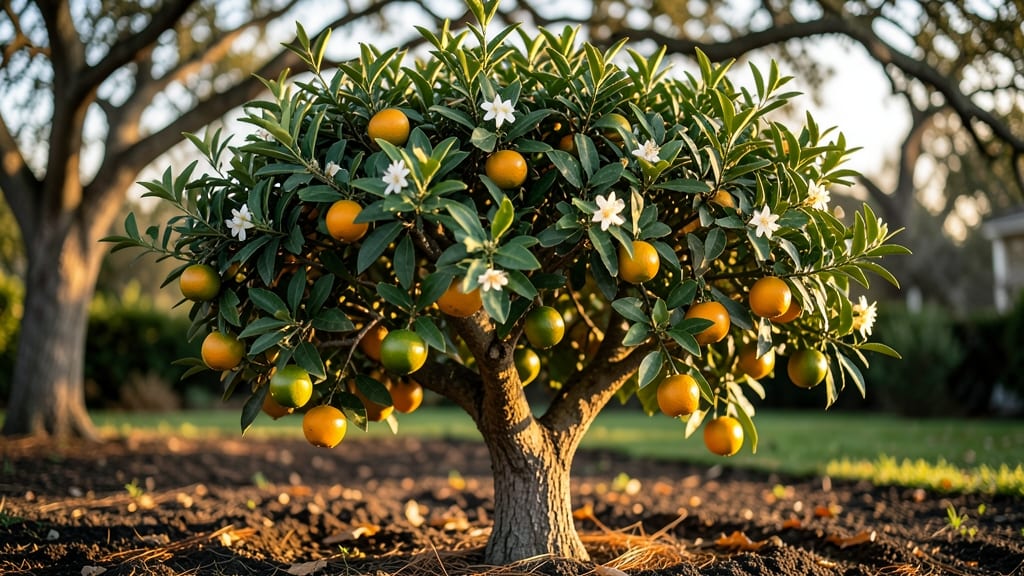
Orange balls on palm trees aren’t just a tropical fantasy—they’re the signature look of palmiste palms that turn any yard into a sun-drenched escape. 🌴 I’ve seen these vibrant orange fruits transform dull landscapes into lush, exotic retreats, even in zones where palms shouldn’t survive.
The secret lies in pairing the right species with smart placement and care.
These palms thrive as bold focal points in Mediterranean or coastal gardens, their fronds swaying like ocean waves. Plant them near patios or entryways where their sun-kissed fruits catch the light, or use them as privacy screens along fences.
Pair with drought-tolerant succulents or lavender for a low-maintenance, high-impact look that begs for compliments.
Year-round, their velvety orange fruits add color when other plants fade, and their airy canopies provide shade without blocking sunlight. With proper spacing (10–15 feet apart for mature growth) and occasional pruning to remove dead fronds, they’ll reward you with tropical drama for decades.
Whether you’re softening a modern home’s lines or creating a backyard oasis, these palms deliver instant curb appeal—no passport required. Here’s how to make them the star of your outdoor space.
The Mystery Behind Orange Clusters
When your palm tree starts sprouting bright orange balls, it’s not just a quirky visual—it’s a fascinating biological response to specific conditions. These clusters, often mistaken for fruit, are actually flower buds or seed pods in various stages of development.
Understanding why they appear helps you nurture your palm for healthier growth and stunning year-round color. Let’s break down the science behind this tropical phenomenon.
Palm trees produce orange clusters as part of their natural reproductive process. Unlike many plants that bloom seasonally, palms like the Canary Island date palm (Phoenix canariensis) or Mediterranean fan palm (Chamaerops humilis) often flower year-round in ideal conditions. Here’s why:
- Maturity Signal: These clusters form once the palm reaches maturity (5–15 years old), indicating it’s ready to reproduce. Younger palms may produce smaller or fewer clusters.
- Day Length & Temperature: Longer daylight hours (12+ hours) and warmth (70–90°F) trigger hormonal shifts that prompt flowering. In tropical climates, this happens continuously.
- Water & Nutrient Balance: Adequate moisture and phosphorus-rich soil (from compost or fertilizer) encourage bud development. Drought or poor soil can delay or stifle this process.
Actionable Tip: 💡 If your palm isn’t flowering, test soil moisture and consider a balanced palm fertilizer (high in potassium and phosphorus) to support reproductive growth.
While warmth and humidity encourage orange clusters, environmental stressors can also trigger—or disrupt—their formation. Here’s how:
| Factor | Effect on Orange Clusters | Solution |
|---|---|---|
| 🔥 Heatwaves | Intense heat can cause premature bud drop or smaller clusters due to water loss. | Provide afternoon shade and deep watering (2–3 inches per week). |
| ❄️ Cold Snaps | Temperatures below 30°F can kill buds or delay flowering until warmer months. | Use frost cloth or mulch the root zone in winter. |
| 💨 Wind Exposure | Strong winds dry out buds, leading to aborted clusters or stunted growth. | Plant near a windbreak (e.g., shrubs or a fence) or stake young palms. |
| 🌧️ Excess Rain | Waterlogged soil can rott roots, starving the palm of nutrients needed for flowering. | Ensure well-draining soil (amend with sand or gravel) and elevate the planting area slightly. |
Pro Tip: ✨ In cooler climates, orange clusters may appear only in summer. If your palm is dormant in winter, wait until spring to fertilize—this jumpstarts new growth.
Not all palm trees produce orange clusters—it’s a species-specific trait. Here’s what determines whether your palm will sport them:
- Species Prone to Clusters:
- Canary Island Date Palm – Produces pendant orange-yellow flower spikes that later turn into small dates.
- Mediterranean Fan Palm – Develops dense orange seed pods that resemble pineapples.
- Pygmy Date Palm – Forms small orange flower clusters followed by black berries.
- Hybrids & Cultivars: Some palms (like the Washingtonia robusta) may produce fewer or no clusters due to selective breeding for ornamental traits.
- Pollination Needs: Wind-pollinated palms (e.g., Sabal palms) may produce clusters even if isolated, while others need cross-pollination for full development.
Key Insight: If your palm isn’t flowering, check its species—some simply don’t produce orange clusters. For example, Kentia palms focus on lush fronds, not fruit.
By recognizing these triggers, you can encourage healthier clusters or troubleshoot why yours might be sparse or absent. Next, we’ll explore how to care for these clusters to keep your palm thriving!
Revive Your Palm’s Glow
If your palm tree with orange balls (likely a Cocos nucifera or Phoenix dactylifera) is struggling, don’t panic! With the right care, you can restore its health and keep those vibrant orange fruits thriving.
Below are targeted solutions for common issues—from nutrient deficiencies to pests—along with prevention tips to keep your tree lush year-round. 🌿✨
Orange balls (fruits) may shrivel or drop prematurely if your palm lacks key nutrients. Here’s how to diagnose and treat the most common deficiencies:
| Symptom | Likely Cause | Solution |
|---|---|---|
| Yellowing fronds (especially older ones) | Nitrogen deficiency | Apply a balanced palm fertilizer (high in nitrogen, like 8-2-12 or 6-4-4) in early spring. Use organic options like blood meal or composted manure for slow-release nutrition. 🌱 Pro tip: Avoid over-fertilizing—too much nitrogen can burn roots! Test soil every 2–3 years. |
| Purple or red fronds | Phosphorus deficiency | Switch to a phosphorus-rich fertilizer (look for a ratio like 6-12-6) or use bone meal. Phosphorus helps root development and fruit set. 🍃 Pro tip: Mix fertilizer with water and apply to the drip line (not the trunk) to avoid salt buildup. |
| Weak, slow-growing new fronds | Potassium or magnesium deficiency | Use a potassium sulfate or Epsom salt solution (1 tbsp per gallon of water, applied monthly). For magnesium, spray magnesium sulfate on fronds or work it into the soil. 💧 Pro tip: Yellowing between frond veins? That’s classic magnesium deficiency—act fast! |
If your palm’s orange fruits are being devoured or the tree itself looks sickly, pests or diseases could be to blame. Here’s how to tackle them:
🔥 Common Pests & Fixes
- 🐜 Palm Weevils (Most Dangerous!)
Signs: Wilting fronds, oozing sap, or adult weevils (brown, 1–2 inches long) near the base. Act immediately!
- 🔪 Drill holes into the trunk (1–2 inches deep) and inject permethrin-based insecticide or neem oil.
- 🌡️ Monitor traps: Place pheromone traps near the tree to catch adults before they lay eggs.
- 🚫 Prevent spread: Remove and burn infested fronds or trees—weevils spread rapidly.
- 🐛 Mealybugs or Scale Insects
Signs: Sticky residue ("honeydew") on fronds, white cottony clusters, or black sooty mold.
- 🍳 Spray with soapy water (1 tsp mild dish soap + 1 quart water) or neem oil (repeat weekly).
- 👨🍳 Prune infested areas and dispose of them in sealed bags.
- ✨ Encourage predators: Ladybugs and lacewings eat mealybugs—plant companion flowers like marigolds nearby.
- 🕷️ Spider Mites (Tiny but Troublesome)
Signs: Fine webbing on fronds, speckled yellowing.
- 💦 Blast them off with a strong water spray (mimics rain).
- 🌡️ Use horticultural oil (apply at dusk to avoid burning fronds).
- 🎯 Increase humidity: Mites thrive in dry conditions—mist fronds or use a humidifier nearby.
🦠 Fungal Diseases & Solutions
- 🍄 Ganoderma Butt Rot (Black Fungus at Base)
Signs: Black, shelf-like fungus at the trunk base, weak growth.
- ⚠️ No cure—remove the tree immediately to prevent spread to other palms.
- 🌱 Prevent recurrence: Improve drainage, avoid overwatering, and sterilize tools after pruning.
- 🍃 Leaf Spot (Circular Brown Spots)
Signs: Dark spots with yellow halos, often on older fronds.
- 🍄 Prune and destroy infected fronds.
- 💧 Apply copper fungicide (follow label instructions).
- 🌡️ Space trees for airflow—fungi love humidity.
Overwatering or underwatering can stress your palm, leading to dropped fruits or poor growth. Here’s how to get it right:
- 🔥 Signs of Overwatering
- Yellowing fronds (especially lower ones)
- Mushy, foul-smelling soil
- Root rot (black, mushy roots)
Fix: Let soil dry out completely between waterings. Improve drainage by amending soil with perlite or sand. If roots are rotting, trim the affected parts and repot in fresh, dry soil. ⏰
- 🌵 Signs of Underwatering
- Crispy, brown frond tips
- Slow growth or no new fronds
- Fruits dropping prematurely
Fix: Water deeply once a week (or more in extreme heat). Use drip irrigation to deliver water slowly to the roots. Mulch around the base to retain moisture. 💧
Proper pruning encourages new growth and better fruit production. Follow these steps to keep your palm thriving:
- 🍳 When to Prune
- Remove dead or yellow fronds anytime they appear.
- Prune old fruit stalks after harvest to redirect energy to new growth.
- Avoid heavy pruning in winter—palms grow slowly in cold months.
- 👨🍳 How to Prune Safely
- Use sterilized, sharp pruners to avoid tearing fronds.
- Cut fronds 1/3 of the way down first, then remove the rest to avoid damaging the trunk.
- Wear gloves—palm fronds have sharp spines!
- **🌱 Post-Pruning
Frequently asked questions
Which palm trees produce those bright orange clusters?
The most common palms with vibrant orange fruits include the Canary Island date palm (Phoenix canariensis), Mediterranean fan palm (Chamaerops humilis), and pygmy date palm (Phoenix roebelenii). These species naturally develop those eye-catching orange clusters as part of their flowering process, though the exact shade can range from peach to deep orange depending on the variety and growing conditions.
Can I grow these palms in cold climates?
Yes, but with care! Most ornamental palms like the Mediterranean fan palm tolerate temperatures down to 10°F when established, while tropical varieties need winter protection. Use frost cloth or mulch heavily around the base. For extreme cold (5°F), consider potted palms that can be moved indoors during winter months.
Are the orange clusters edible?
Only some are! The Canary Island date palm produces edible dates from its orange flowers, while others like the Mediterranean fan palm have inedible seed pods. Always research your specific palm variety before consuming any part. When in doubt, admire them as stunning ornamental features—they're just as beautiful as they are functional!
How do I encourage more orange clusters on my palm?
Focus on three key factors: maturity (5+ years old), proper fertilization (high in phosphorus), and consistent moisture without waterlogging. In cooler climates, apply a winter mulch to protect developing buds. Avoid heavy pruning during flowering season, as this can stress the plant and reduce fruit production.
Why did my palm's orange clusters turn brown and drop?
This usually indicates underwatering, nutrient deficiency, or environmental stress like extreme heat or cold. Check soil moisture and adjust your watering schedule to 1-2 inches per week (more in summer). If the issue persists, test your soil for phosphorus levels and consider a balanced palm fertilizer to support reproductive growth.