
Pests and Diseases
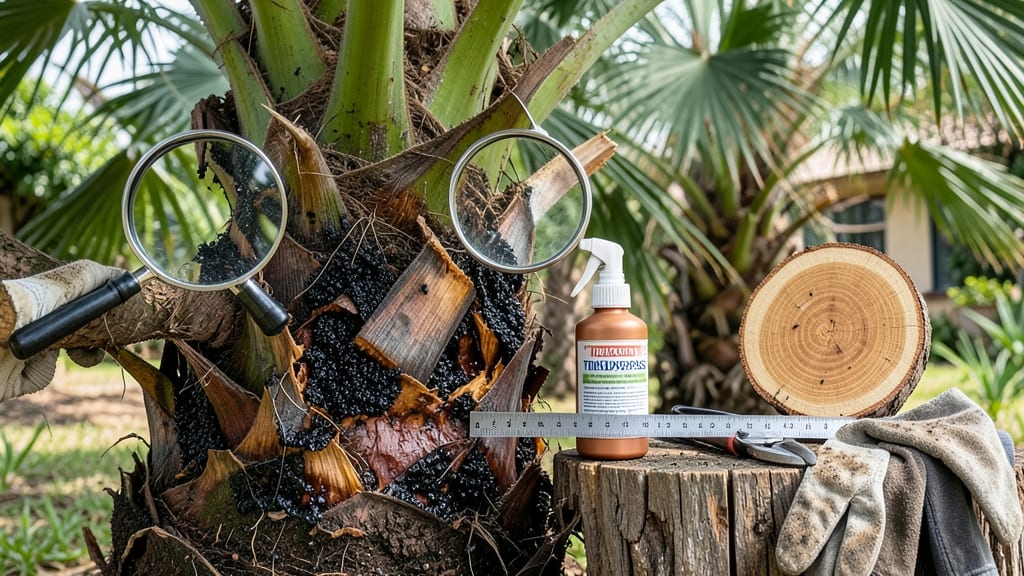
That black fungus creeping up your palm tree trunk isn’t just unsightly—it’s a warning sign your tree’s health is at risk. 🌿 I’ve battled this exact problem with my Mediterranean fan palm, and what started as a few dark spots turned into a full-blown struggle if I didn’t act fast.
The good news? You can stop it in its tracks with the right identification and treatment plan.
This isn’t just about spraying something random—it’s about understanding the fungus’s favorite conditions: too much moisture, poor airflow, or an already stressed tree. My palm thrived after I trimmed dead fronds, improved drainage, and applied a copper-based fungicide (the organic route works too, but faster results come from targeted treatments).
The key is acting before the fungus spreads beyond the trunk into the crown.
By the end of this guide, you’ll know exactly what you’re dealing with—whether it’s sooty mold, Ganoderma, or another palm-killer—and how to treat it without harsh chemicals.
You’ll also learn the preventive care that keeps palms healthy year-round, so this never happens again. Let’s get your tree back to its best.
Fair warning: If the trunk is already rotting or oozing, it’s time to call an arborist. But for early-stage black fungus? This is your step-by-step fix. No guesswork, just results.
Root Causes of Dark Trunk Discoloration
When you spot that unsettling black fungus creeping up your palm tree trunk, it’s rarely a random event—it’s usually the result of specific environmental or biological triggers. Understanding these root causes is the first step to stopping the spread and saving your tree.
Below, we break down the most common reasons why this fungal blight appears, along with the science behind each one.
Fungi thrive in wet conditions, and palms are particularly susceptible when their trunks remain damp for extended periods. Here’s why moisture fuels the problem:
- Waterlogged soil: If your palm’s roots sit in soggy soil (common in heavy clay or compacted ground), excess moisture seeps up the trunk, creating the perfect breeding ground for fungal spores. Botryosphaeria and Phytophthora species, known to cause blackening, flourish in these conditions.
- Overhead irrigation: Sprinklers or rainwater pooling at the trunk base keep the bark persistently wet. Unlike hardy trees, palms have thin, fibrous trunks that absorb and retain moisture—ideal for fungal colonization.
- Lack of airflow: Dense mulch piled too high against the trunk or crowded plantings block air circulation. Stagnant, humid air near the base accelerates spore germination and mycelial growth.
💡 Actionable Fix: Improve drainage by amending soil with organic matter (like compost or perlite) and avoid wetting the trunk during watering. Use drip irrigation directed at the root zone instead.
A palm’s natural resistance weakens when its trunk is compromised, making it an easy target for fungal invaders. Common injuries include:
- Mechanical damage: Scrapes from lawn equipment, animal scratches, or even rough handling during transplanting create entry points for spores. The exposed tissue lacks protective bark layers, inviting infection.
- Sun scorch or frost cracks: Sudden temperature swings (e.g., cold snaps in subtropical climates) cause bark to split. These cracks trap moisture and debris, fostering fungal growth.
- Pruning wounds: Improper palm frond removal leaves jagged cuts that fail to heal properly. Fungi like Thielaviopsis exploit these wounds, turning them into black, oozing lesions.
🔥 Pro Tip: Seal minor wounds with pruning paint (containing copper or sulfur) to deter spores. For severe damage, consult an arborist to assess structural integrity—some palms may need supportive bracing.
Palms under stress are fungal magnets. Poor nutrition or environmental stressors compromise their immune response, leaving them vulnerable to opportunistic pathogens. Key triggers include:
| Nutrient Deficiency | How It Weakens the Tree | Fungal Link |
|---|---|---|
| Potassium (K) deficiency | Reduces cell wall strength, making bark more prone to cracking and infection. | Ganoderma (a shelf fungus) exploits weak points. |
| Magnesium (Mg) deficiency | Causes yellowing fronds, which signals poor energy production for healing wounds. | Leads to slower recovery from physical damage, prolonging fungal exposure. |
| Over-fertilization (especially nitrogen) | Promotes soft, succulent growth that’s easier for fungi to penetrate. | Encourages Phytophthora root rot, which spreads upward. |
🌡️ Solution: Conduct a soil test to identify deficiencies. For palms, prioritize slow-release potassium and micronutrients (like zinc and manganese) over nitrogen-heavy fertilizers. Avoid fertilizing during wet seasons to prevent burn.
Some pests don’t just damage palms—they invite fungal infections by creating ideal conditions. The most notorious culprits are:
- Palm weevil larvae: These borers tunnel into the trunk, creating tunnels that fill with frass (insect waste) and moisture. The resulting wounds become hotspots for Fusarium or Ceratocystis fungi.
- Scale insects: Their sticky honeydew attracts sooty mold, a black, powdery fungus that coats the trunk and smothers the bark. While sooty mold itself is harmless, it signals underlying pest infestations.
- Termites: Their galleries disrupt the trunk’s structural integrity, leaving it vulnerable to secondary fungal invaders like Polyporus (a wood-rotting fungus).
✨ Prevention Tip: Monitor for pests with yellow sticky traps near the canopy. Treat infestations early with neem oil or horticultural oil, and remove heavily infested fronds to break the cycle.
By addressing these underlying causes—whether it’s fixing drainage, healing wounds, balancing nutrients, or controlling pests—you can starve the fungus of the conditions it needs to thrive. The key is proactive care, not just reactive treatments.
Fixing Fungal Issues Naturally
Black fungus on your palm tree trunk isn’t just unsightly—it can weaken the tree over time if left unchecked. The good news? Most fungal issues respond well to organic, proactive care.
Below, we’ll break down the most effective solutions based on the root cause, from quick fixes to long-term prevention. Think of this as your step-by-step guide to restoring your palm’s health—without harsh chemicals.
If your palm’s trunk is soggy or the soil stays damp for days after watering, excess moisture is likely fueling the fungus. Here’s how to dry things out:
🔥 Step 1: Adjust Your Watering Routine
- Water deeply but less often: Palms prefer infrequent, thorough watering (every 7–10 days, depending on climate). Let the top 2–3 inches of soil dry out before watering again.
- Morning is best: Water in the early morning so excess moisture evaporates during the day, reducing humidity around the trunk.
- 💡 Pro Tip: Use a moisture meter to check soil dampness—if it’s consistently wet below 2 inches, you’re overwatering.
👨🍳 Step 2: Improve Soil Drainage
- Amend heavy clay soil: Mix in organic matter like compost, coconut coir, or perlite to improve aeration.
- Raise the tree (if needed): If your palm sits in a low spot where water pools, consider planting it on a slight mound or installing a French drain nearby.
- ✨ Prevention Hack: Add a 2–3 inch layer of gravel or bark mulch around the base (but keep it away from the trunk) to encourage evaporation.
🥘 Step 3: Prune Affected Foliage
- Remove any yellowing or blackened fronds with sterilized pruners to stop the fungus from spreading. Dispose of them in the trash (not your compost bin).
Fungal spores thrive in humid, shaded environments. If your palm is in a crowded or damp area, containment is key.
🔪 Step 1: Trim Back Nearby Plants
- Thin out dense foliage around the palm to improve airflow. Aim for at least 3–4 feet of clearance from other plants.
- Remove leaf litter: Rake up fallen fronds and debris from the base of the tree—this cuts off the fungus’s food source.
🌡️ Step 2: Disinfect Tools and Surfaces
- Sterilize pruners: Wipe them with a 10% bleach solution (1 part bleach to 9 parts water) or rub them with 70% isopropyl alcohol between cuts.
- Clean the trunk: Scrub the affected areas with a baking soda solution (1 tbsp baking soda + 1 gallon water) using a soft brush. Rinse with water.
🎯 Step 3: Quarantine New Plants
- If you’ve recently added palms or plants to your yard, keep them separate for 2–3 weeks to monitor for signs of fungus before introducing them to others.
A healthy palm fights off fungus better. Focus on strengthening its immune system with these nutrient-boosting strategies.
💪 Step 1: Fertilize Smartly
- Use a balanced, slow-release fertilizer (e.g., 6-6-6 or 8-3-9) in early spring and summer. Avoid high-nitrogen fertilizers, which can promote soft, fungus-prone growth.
- 💡 Pro Tip: Mix in kelp meal or mycorrhizal fungi to enhance root health and natural disease resistance.
🥗 Step 2: Feed the Soil
- Top-dress with compost: Spread a 1–2 inch layer of well-aged compost around the drip line (the area under the palm’s fronds) to improve soil biology.
- Add biochar: This porous material helps retain moisture while preventing compaction, creating a less hospitable environment for fungi.
🍎 Step 3: Prune for Light Exposure
- Thin out old or crowded fronds to let sunlight reach the trunk. Fungus loves shade—direct sunlight helps dry out the trunk faster.
If the fungus persists despite your efforts, it’s time for targeted treatment. These organic options are safe for pets and beneficial insects:
| Treatment | How to Apply | Frequency |
|---|---|---|
| Neem Oil | Mix 2 tbsp neem oil + 1 tsp mild soap + 1 gallon water. Spray trunk and fronds until damp. | Every 7–10 days until symptoms fade, then monthly as prevention. |
| Copper Fungicide (e.g., copper sulfate or copper soap) | Follow label instructions—typically dilute and spray on affected areas. | Every 2–3 weeks until cured, then monthly. |
| Baking Soda Spray | 1 tbsp baking soda + 1 gallon water + a few drops of soap. Spray trunk and undersides of fronds. | Weekly until improvement, then biweekly. |
⚠️ Safety Note: Always test sprays on a small area first to avoid leaf burn. Avoid applying fungicides on hot, sunny days.
Once your palm is fungus-free, keep it that way with these habits:
- ✅ Monitor humidity: Use a hygrometer to keep levels below 60% near the tree.
- ✅ Inspect regularly: Check the trunk and fronds monthly for early signs of black spots or mold.
- ✅ Avoid overhead watering: Use drip irrigation or soaker hoses to keep the trunk dry.
- ✅ Rotate mulch annually: Refresh mulch to prevent it from compacting and trapping moisture.
- ✅ Support airflow: Trim back nearby plants or structures that block breezes.
With consistent care, your palm will bounce back—and stay resilient against future fungal attacks. 🌴✨
Frequently asked questions
What’s the difference between black fungus and sooty mold on palm trunks?
Black fungus (like Ganoderma or Botryosphaeria) appears as dark, often crusty patches that may ooze or develop shelf-like growths. Sooty mold, however, looks like a powdery, velvety black coating caused by fungal spores growing on honeydew from pests like scale insects. The key difference? Sooty mold can be wiped off easily, while true fungal infections penetrate the bark.
Can I save a palm tree if the black fungus has already spread to the crown?
If the fungus has reached the crown (top fronds), the palm is likely beyond saving unless it’s a Ganoderma infection caught early. For severe cases, consult an arborist—some palms may need partial removal of infected fronds or even complete removal if the trunk is structurally compromised. Early action is critical to prevent spread to nearby palms.
How often should I apply fungicide to prevent recurrence?
For organic treatments like neem oil or baking soda spray, apply every 2-4 weeks during humid seasons. Chemical copper fungicides should be used every 3-4 weeks if your palm is in a high-risk area. Always alternate treatments to prevent resistance. Stop preventative sprays once the tree shows new healthy growth for 2-3 months in a row.
Will pruning help if the fungus is only on the trunk?
Pruning alone won’t cure trunk fungus, but removing dead or infected fronds prevents the spread to healthy parts. Focus on improving airflow around the base and treating the trunk directly with fungicides. The key is combining pruning with proper soil drainage and nutrient management to strengthen the palm’s defenses.
Is black fungus contagious to other palm trees?
Yes, fungal spores can spread through water, tools, or wind. Always sterilize pruners between trees and avoid overhead watering. Quarantine newly infected palms for 2-3 weeks while treating them. The good news? Many palm fungi are species-specific—your Mediterranean fan palm won’t necessarily infect a coconut palm, but caution is still essential.