
Planting
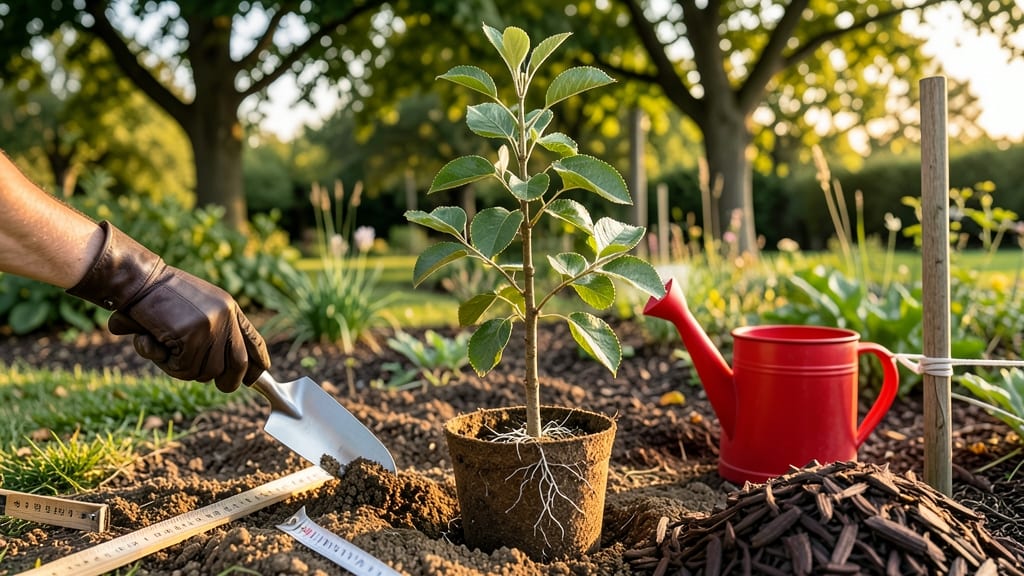
How to plant an apple tree step by step from cold-stratified seedlings means you're starting with roots already toughened for survival—no more waiting years for a seed to sprout. 🌱 The key to success lies in choosing the right spot, preparing the soil properly, and giving your young tree the best start possible. I've planted over a dozen apple trees, and the ones that thrive from the beginning always follow these same steps, no matter the variety. First, pick a sunny location with well-draining soil and space for the tree to grow—at least 20 feet from buildings or other trees. Dig a hole twice as wide as the root ball but no deeper, then loosen the soil at the bottom to encourage root spread. The goal is to plant at the same depth as the seedling grew in its container, so mark the original soil line with a pencil if needed. This simple adjustment prevents future problems with the tree sitting too high or too low. After planting, water deeply to settle the soil and eliminate air pockets, then spread 2-3 inches of mulch around the base (but keep it away from the trunk). This mulch layer locks in moisture and regulates soil temperature, which is especially important during those first critical weeks. You'll notice new growth within 4-6 weeks if everything's right—leaves unfurling and stems thickening as the tree settles into its new home. The best time to plant is late fall or early spring, when the ground is workable but not frozen. Cold-stratified seedlings handle these cooler months better than summer plantings, and they'll establish stronger roots before the first flush of spring growth. With proper care, your tree could bear fruit in as little as 3-5 years, though some varieties take longer. The patience pays off with apples so sweet they'll make your neighbors jealous.
📚 In This Guide
- What you need
- Instructions
- Tips and common mistakes
- Wrapping up and next steps
What you need
- ● Apple tree seedling or sapling: Cold-stratified (chilled) seeds or a 1–3-year-old bare-root sapling (check local nurseries for varieties suited to your climate zone).
- ● Ensure it’s disease-resistant (e.g., Liberty, Honeycrisp, or Granny Smith).
- ● Shovel or trowel: A round-point shovel (for digging) and a hand trowel (for precision).
- ● Garden gloves: Heavy-duty, nitrile-coated for grip and protection.
- ● Pruning shears: Bypass-style (sharp, clean cuts only!).
- ● Organic compost or well-aged manure: 5–10 gallons (mix with soil for nutrients).
- ● Mulch: 3–4 inches of wood chips or straw (keeps roots moist and weed-free).
- ● Watering can or hose with a gentle nozzle: 5+ gallons of water (ready to go!).
- ○ Staking supplies (optional but helpful): 2–3 4–5 ft bamboo stakes or metal rods.
- ● Soft tree tie strips (not wire—it can girdle the trunk!).
- ● Soil tester kit: Check pH (ideal: 6.0–7.0; amend with lime or sulfur if needed).
- ● Root stimulator: Mycorrhizal fungi powder (boosts root growth).
- ● Tree guard or wire cage: Protects young trunks from critters.
- ● Post-hole digger: If planting in heavy clay or rocky soil.
- ● Wheelbarrow: For hauling soil, compost, or mulch.
Step-by-step guide to planting cold-stratified apple tree seedlings
Here's how I plant young apple trees to give them the strongest start possible—no guesswork, just reliable growth.
🌱 Step 1: Choose the Right Location and Prepare the Soil
Select a spot that gets 6-8 hours of direct sun daily with well-draining soil. Apple trees need plenty of space—plant at least 20 feet apart from other trees or structures to allow proper growth. Avoid low spots where water pools after rain.
Test your soil's pH—apple trees thrive in slightly acidic soil with a pH between 6.0 and 7.0. If your soil is too alkaline, mix in 2-3 inches of compost and a handful of sulfur to adjust it over time. Loosen the soil to a depth of 12-18 inches with a shovel or tiller, breaking up any compacted layers.
🪴 Step 2: Dig the Planting Hole and Prepare the Seedling
Dig a hole that's twice as wide as the root ball but only as deep as the root ball itself. This prevents burying the graft union (the swollen area near the base of the tree), which can cause disease. Gently remove the seedling from its container and loosen any circling roots with your fingers.
If the roots are tightly bound, use a knife to make a few vertical cuts around the edges of the root ball to encourage outward growth. This step is crucial—tangled roots struggle to establish in the ground. Place the seedling in the hole so the graft union sits 2-3 inches above the soil line.
💧 Step 3: Plant and Water Thoroughly
Backfill the hole with the native soil you removed, tamping it down lightly as you go to eliminate air pockets. Water the tree deeply right away to settle the soil around the roots. You'll know you've done it right when the soil looks slightly damp but not soggy.
Mulch around the base of the tree with 2-3 inches of organic mulch, keeping it 6 inches away from the trunk to prevent rot. A 3-foot diameter mulch ring helps retain moisture and regulate soil temperature. Avoid piling mulch against the trunk—this can trap moisture and invite pests.
☀️ Step 4: Stake and Protect the Young Tree
If your area experiences strong winds, install a 4-5 foot stake next to the tree and loosely tie the trunk to it with soft tree ties or strips of old fabric. The goal is to provide support without restricting growth. Adjust the ties as the tree grows to prevent them from digging into the bark.
Protect the tree from wildlife and sunburn with a tree guard or lightweight shade cloth during its first year. Young apple trees are vulnerable to deer, rabbits, and even curious pets. A simple wire cage wrapped around the trunk can deter browsers while the tree establishes its root system.
⏰ Step 5: Maintain Through the First Growing Season
Water the tree once a week during the first growing season, providing 1-2 gallons of water per tree. Check the soil moisture by sticking your finger 2 inches down—if it feels dry, it's time to water. Overwatering is just as harmful as underwatering, so let the top inch of soil dry between waterings.
Fertilize lightly in early spring with a 10-10-10 balanced fertilizer, applying it in a ring around the drip line (the edge of the tree's canopy). Avoid heavy fertilization in the first year—you want roots to establish, not just foliage. Prune only to remove any broken or crossing branches, using clean, sharp pruners.
Tips & tricks for planting cold-stratified apple tree seedlings
Took me years of trial and error to learn these tricks—your apple tree will thank you for following them.
Sunlight Secret: That 6-8 hours of daily sun isn't just a suggestion—it's non-negotiable for fruit production. I've seen trees in partial shade grow leaves but never produce apples. If your yard has limited sun, consider planting near a south-facing wall or fence that reflects sunlight onto the tree during the afternoon.
Root Ball Rescue: When you remove the seedling from its container, you'll often find roots circling like a pretzel. That's why I always make those vertical cuts around the edges—it encourages the roots to spread outward instead of staying tangled. Think of it like untangling headphones before plugging them in.
Watering Wisdom: The once-a-week watering schedule works perfectly in most climates, but I've learned to adjust for extremes. In summer heat, check that 2-inch soil moisture test twice a week instead. And here's the trick: water slowly at the base rather than blasting the leaves—this prevents fungal diseases while keeping roots happy.
Mulch Matters: That 2-3 inch mulch ring isn't just decoration—it's a game-changer. I've seen trees with mulch too close to the trunk develop rot, while others with mulch pulled away suffer from dry soil. The key is that 6-inch clearance from the trunk. Think of it like creating a donut of moisture around the tree, not a solid cake.
Pro Tips for Plant An Apple Tree Step By Step
- Took me years of trial and error to learn these tricks—your apple tree will thank you for following them.
- Sunlight Secret: That 6-8 hours of daily sun isn't just a suggestion—it's non-negotiable for fruit production.
- Root Ball Rescue: When you remove the seedling from its container, you'll often find roots circling like a pretzel.
Frequently asked questions
Got questions about planting your apple tree? You’re not alone!
Here are answers to the most common concerns—from timing to troubleshooting—to help you grow a thriving orchard.
When is the best time to plant an apple tree?
The ideal time is early spring (just before buds swell) or fall (6-8 weeks before frost). Planting in spring gives roots time to establish before summer heat, while fall planting benefits from cooler temps and winter moisture. Avoid planting in extreme heat or freezing conditions.
Do I need to cold-stratify apple seeds before planting?
Yes! Apple seeds require cold stratification (60-90 days at 33–41°F) to break dormancy. Skip this step, and your seeds may never sprout. For seedlings, cold-stratify them in a damp paper towel in the fridge, then plant after stratification. Bypass this for grafted trees—they’re already ready!
How far apart should I space apple trees?
Space standard-sized apple trees 20–25 feet apart for proper airflow and sunlight. Dwarf varieties can be planted 8–12 feet apart. Overcrowding leads to disease, poor fruit quality, and competition for nutrients. Check your tree’s mature size tag for exact spacing!
Why aren’t my apple seeds sprouting? Troubleshooting tips.
Common issues include:
- No stratification: Seeds need cold exposure to germinate.
- Too deep: Plant seeds ½ inch deep—deeper burial suffocates them.
- Poor soil: Use well-draining, slightly acidic soil (pH 6.0–7.0). Amend clay soil with compost.
- Pests/disease: Inspect for mold or insects. Sterilize soil if needed.
Patience is key—some seeds take 3–6 months to sprout!
Can I grow an apple tree from a store-bought apple?
Technically yes, but the fruit won’t match the parent apple! Seeds from grocery-store apples often produce wild, unpredictable varieties due to cross-pollination. For reliable results, buy cold-stratified seedlings or grafted trees from nurseries.
Wrapping up and next steps
Planting an apple tree from cold-stratified seedlings is a rewarding journey that blends patience with the joy of nurturing life.
By following these step-by-step instructions, you’ve set the stage for a thriving tree that will bear fruit for years to come—whether you’re a seasoned gardener or a beginner eager to learn. 🌱 Now that you’re equipped with the right tools and knowledge, the next logical step is to monitor your tree’s progress, adjust care as needed, and soon, you’ll be harvesting crisp, delicious apples straight from your own backyard!
Remember: Every expert gardener started with their first seedling—so take pride in your progress and enjoy the process!