
Propagation
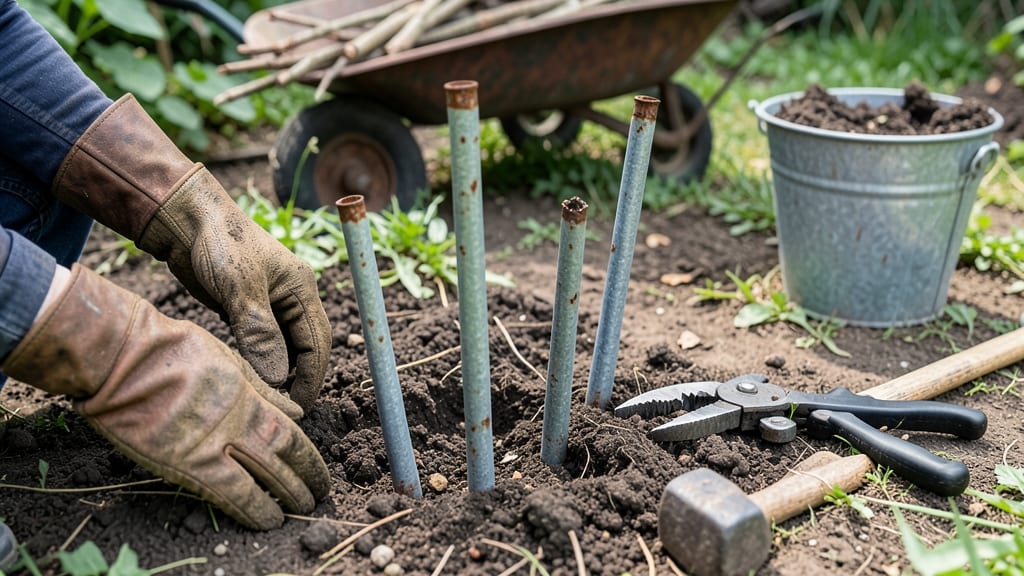
How to remove these metal tree stakes from the ground without damaging your garden beds—here’s the foolproof method I finally cracked after years of frustration. 🌱 I’ve wrestled with these stubborn stakes for years—until I discovered the right tools and technique make removal quick, clean, and root-safe. The key is patience and the right leverage point.
You’ll need a sturdy pry bar, work gloves, and a hammer (for stubborn stakes). Safety first: check for buried wires with a metal detector or call 811 if unsure. Grab a bucket for rusty debris and old towels to protect your hands—this isn’t a delicate operation.
Start by loosening soil around the stake with the pry bar, then wiggle it side-to-side while pulling upward. If it resists, tap the bar gently with the hammer to break suction.
Most stakes pop out in under 5 minutes—no digging required. Save the metal for repurposing or recycle it to keep your garden sustainable.
Pro tip: Soak the area with water first if the soil is dry—it helps break the grip. Avoid yanking, which can tear roots. With this method, your garden beds stay intact, and those rusty relics become a thing of the past.
📚 In This Guide
- What you need
- Instructions
- Tips and common mistakes
- Wrapping up and next steps
What you need
- ● Heavy-duty gloves (1 pair) – Protect your hands from sharp edges and rust.
- ● Long-handled pry bar (1, 12–18 inches) – Ideal for leveraging stakes out of dense soil.
- ● Adjustable wrench or channel locks (1 set) – Helps grip and twist stubborn stakes.
- ● Rust remover or vinegar solution (1 bottle or DIY mix) – For cleaning stakes post-removal.
- ● Shovel or spade (1, sturdy and sharp) – Loosens soil around the stake for easier extraction.
- ● Hammer or mallet (1, rubber-headed if near roots) – Gently taps stakes to loosen them.
- ● Bucket or wheelbarrow (1) – Collects soil, stakes, and debris for disposal.
- ● Knee pads – For comfort if you’re working in one spot for a while.
- ● Safety goggles – Protects eyes from flying debris or rust particles.
- ● Rubber mallet – Safer for stakes near delicate roots.
- ● Garden hose – Helps rinse off rust or soil post-removal.
- ● Zip ties or wire – Temporarily bundles stakes for disposal.
Step-by-step guide to extracting metal tree stakes safely
Here's how to pull stubborn stakes without bending roots or ruining your tools.
🪴 Step 1: Gather the Right Tools for the Job
You'll need a sturdy pair of locking pliers or tree stake pullers—regular pliers will slip on smooth metal. I've found that channel locks with rubber grips work best because they bite into the metal without rounding the edges. Grab a pry bar or flat-head shovel too, in case the stake is buried deep or rusted in place.
If the stakes are particularly stubborn, a wire brush helps remove surface rust before pulling. This prevents rust particles from contaminating your soil later. Wear gloves—rust can irritate skin, and the edges might be sharp after years in the ground.
✂️ Step 2: Loosen the Stake Before Pulling
Start by digging around the base of the stake with your pry bar to expose 2-3 inches of metal. This gives you leverage and prevents the stake from bending when you pull. I like to work the pry bar in a gentle rocking motion—don't force it, or you'll risk damaging the tree's shallow roots.
Once you've exposed enough metal, attach your locking pliers about 4-6 inches above the soil line. This gives you the best grip without risking the stake snapping off underground. If the stake is rusted, spray it with WD-40 or penetrating oil and wait 5-10 minutes—this loosens the corrosion so the pliers grip better.
💧 Step 3: Pull with Controlled Force
Stand on the opposite side of the stake from the tree to avoid pulling toward the trunk. Apply steady pressure while twisting the pliers slightly—this breaks the suction created by years in the ground. You'll feel resistance give way as the stake starts to move.
If the stake won't budge, stop immediately. Forcing it risks bending the metal or tearing roots. Instead, dig deeper around the stake and repeat Step 2. Real talk: some stakes have been in the ground for years, and patience beats brute force every time.
🌱 Step 4: Clean Up and Prevent Future Issues
Once the stake is out, inspect the hole for any remaining rust particles. Brush them out with your wire brush—leaving rust behind can leach into the soil over time. If the tree looks stable without the stake, you're done. If not, consider replacing it with a biodegradable stake next time.
For stubborn rust, soak the metal in a bucket of vinegar or lemon juice for 1-2 hours before disposal. This neutralizes any remaining corrosion before you toss it. Store your tools with a light coat of oil to prevent them from rusting between uses.
Tips & tricks for perfect tree stake removal
These practical strategies will help you extract stubborn metal stakes without damaging roots or tools.
Tool Selection: Channel locks with rubber grips are my go-to because they provide the best grip on smooth metal without marring the surface. If you don't have locking pliers, tree stake pullers (available at garden centers) are designed specifically for this job and prevent bending. Avoid regular pliers—they'll slip and round the edges of your stakes.
Rust Prevention: Before pulling, always use a wire brush to remove surface rust from the exposed metal. This prevents rust particles from contaminating your soil later. For extra stubborn rust, spray with WD-40 or penetrating oil and wait the full 5-10 minutes—this loosens corrosion so your pliers grip better without slipping. I've learned this the hard way after struggling with rusted stakes that kept slipping from my tools.
Leverage Technique: When using your pry bar in Step 2, work it in a gentle rocking motion rather than forcing it straight down. This prevents bending the stake while still breaking the suction created by years in the ground. I aim to expose 2-3 inches of metal—this gives me enough leverage without risking damage to shallow roots. If the stake resists, stop immediately and dig deeper rather than forcing it.
Cleanup Strategy: After removal, soak stubborn rust in a bucket of vinegar or lemon juice for the full 1-2 hours—this neutralizes any remaining corrosion before disposal. Store your tools with a light coat of oil between uses to prevent future rust buildup. This simple step has saved my tools from becoming unusable over the years.
Pro Tips for Remove Metal Tree Stakes From Ground
- These practical strategies will help you extract stubborn metal stakes without damaging roots or tools.
- Tool Selection: Channel locks with rubber grips are my go-to because they provide the best grip on smooth metal without marring the surface.
- Rust Prevention: Before pulling, always use a wire brush to remove surface rust from the exposed metal.
Frequently asked questions
Got questions about removing metal tree stakes without a fuss? You’re not alone! Here are some of the most common concerns—and straightforward answers—to help you tackle the job like a pro.
What’s the best time of year to pull out metal tree stakes?
The ideal time is late fall or early spring, when the ground is softer and roots aren’t actively growing. Avoid removing stakes during peak growing seasons (spring/summer) to prevent stressing young trees. If you must remove them mid-season, water the area first to loosen the soil.
Will removing metal stakes damage my tree’s roots?
If done carefully, no! Use a tree stake puller or digger to loosen the soil around the stake first. Gently wiggle the stake side-to-side while pulling upward to avoid snapping roots. For mature trees, take extra time—roots may be more established near the stake.
Can I reuse the metal stakes after removal?
Probably not. Metal stakes often rust or bend after being buried, especially if they’re galvanized or coated. Inspect them for corrosion or warping—if they’re compromised, replace them with plastic or biodegradable stakes for future use. Rusty stakes can introduce pathogens to new planting sites.
What if the stake is too rusted to pull out easily?
Rust can make stakes stubborn, but don’t force it! Spray the stake with WD-40 or penetrating oil and let it sit for 10–15 minutes to loosen corrosion. For stubborn cases, use a pry bar or hose with high pressure to dislodge it. If all else fails, cut the stake at ground level with bolt cutters.
Are there alternatives to metal stakes that won’t rust or need removal?
Consider biodegradable stakes (made from cornstarch or wood), plastic tree ties, or soft fabric supports that won’t damage roots or require removal. For heavy trees, burlap wraps or wooden dowels are also great options—they break down naturally over time.
Wrapping up and next steps
Removing metal tree stakes doesn’t have to be a struggle—with the right tools and techniques, you can extract them rust-free and root-safe in no time! Whether you’re using a pry bar, winch, or manual leverage, always prioritize patience and precision to avoid damaging your plants.
Once those stakes are out, give your garden a fresh start with new supports or even let your young trees stand tall on their own.
🌱 Ready for the next step? Now that your stakes are gone, consider upgrading to eco-friendly alternatives or reinforcing your garden’s structure with bamboo stakes or biodegradable options for a sustainable touch!