
Pruning
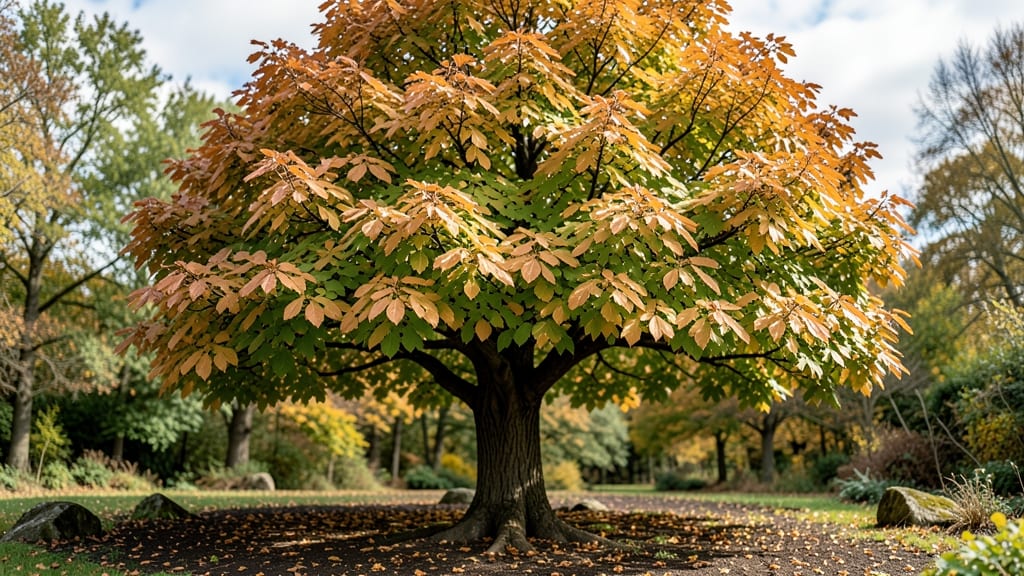
Watching a tree transform through the seasons is like having a living calendar. 🌳 The same oak that blazes red in autumn stands stark and skeletal in winter, then bursts with fresh green in spring—each phase demanding different care to keep it thriving.
My first maple nearly died because I pruned it in late summer, not realizing how seasonal timing affects healing. Deciduous trees like maples and birches need most pruning in late winter or early spring, when they're dormant but about to burst with new growth.
Evergreens like pines and spruces, though, can handle light shaping almost anytime except winter's coldest months. The key is matching your cuts to the tree's natural cycle—prune too late, and you risk disease; too early, and you stunt next year's blooms.
By following this seasonal rhythm, you'll see stronger branches, fuller foliage, and fewer pests. A well-timed cut in spring encourages lush summer leaves, while winter pruning prevents snow damage. The result? A tree that looks stunning in every season and stays healthy for decades.
This calendar works for backyard trees, park specimens, and even container-grown varieties. Start with just one tree this year—your yard will thank you.
📚 In This Guide
- What you need
- Instructions
- Tips and common mistakes
- Wrapping up and next steps
What you need
- ● Pruning shears: Bypass shears (for clean cuts on small branches, 6–8" blades) – 1 pair
- ● Loppers: Bypass loppers (for medium branches, 8–12" blades) – 1 pair
- ● Pruning saw: Curved-tooth saw (for thick branches, 18–24" blade) – 1
- ● Gloves: Heavy-duty, cut-resistant gloves (to protect hands) – 1 pair
- ● Disinfectant: 70% rubbing alcohol or bleach solution (to sterilize tools between cuts) – small bottle
- ○ Tree pruning sealant: (Optional but helpful for large wounds, 1–2 oz) – 1 tube
- ● Safety gear: Closed-toe shoes, long sleeves, and safety glasses (if working near power lines) – as needed
- ● Notebook & pen: (To track pruning dates and notes on tree health) – 1
- ● Extension pole: For hard-to-reach branches (10–12 ft) – 1
- ● Tree bag: (To collect and dispose of pruned branches) – 1–2
- ● Ladder: Sturdy, non-slip ladder (for taller trees, 6–12 ft) – 1
- ● Tree growth regulator: (For promoting healthy regrowth after pruning) – as directed
- ● Camera or phone: (To document progress before/after pruning) – 1
Step-by-step year-round pruning calendar for healthy trees
Healthy trees start with seasonal care—here's the exact approach I follow to keep my trees thriving all year.
✂️ Step 1: Late Winter Pruning (Dormant Season)
Begin your pruning calendar in late winter, when trees are still dormant but before buds swell. This is the best time to remove dead, diseased, or crossing branches—you'll see them clearly against the bare branches. Use clean, sharp pruners to make cuts just outside the branch collar, where the branch meets the trunk.
Focus on shaping the tree's natural form while removing up to 25% of the canopy at this stage. Avoid heavy pruning of young trees, as they're still establishing roots. You'll know you're doing it right when the cuts look smooth and the tree's structure feels balanced from all sides.
☀️ Step 2: Early Spring Maintenance (Leaf-Out)
Once new leaves begin to form—usually 4-6 weeks after late winter pruning—do a light inspection for any branches that died over winter or developed weak growth. Prune these out immediately to prevent disease spread. This is also the time to thin out crowded branches to improve air circulation.
I look for branches with sparse foliage or those growing inward—they're prime candidates for removal. Never remove more than 10% of the canopy at this stage, as spring growth is rapid and trees need their energy. You'll see fresh, vibrant leaf growth within weeks of proper thinning.
🌿 Step 3: Summer Pruning (Growth Season)
Mid-summer is for light corrective pruning—focus on removing water sprouts (fast-growing vertical shoots) and suckers (shoots at the base). These compete with your tree's main structure for nutrients. Prune on a mild, overcast day to reduce stress on the tree.
Use hand pruners for small branches and loppers for thicker growth. Make cuts just above a leaf bud or lateral branch to encourage proper regrowth. You'll notice the tree's energy shifts toward stronger, healthier branches within 2-3 weeks of summer pruning.
🍂 Step 4: Fall Cleanup (Pre-Winter Prep)
Late fall is for final cleanup—remove any dead or diseased branches that appeared during the growing season. This prevents pests and diseases from overwintering in your tree. Avoid heavy pruning now, as new growth won't harden off before winter.
I also remove any seed pods or fruit that may have formed, as they drain energy the tree needs to store for dormancy. Stop pruning 6-8 weeks before your first frost to allow wounds to heal. You'll see the tree's resilience improve year after year with this seasonal approach.
⏰ Step 5: Winter Monitoring (No Pruning)
Winter is not a pruning season—it's for observation. Check for storm damage, broken branches, or signs of pests like bark beetles. Mark any branches needing removal for late winter pruning. Avoid pruning now, as cold weather slows healing and increases disease risk.
Use this time to plan your pruning strategy for the coming year. Study your tree's growth patterns and note any structural weaknesses. You'll enter the next growing season with a clear, confident plan for maintaining your tree's health.
Tips & tricks for year-round tree care
Between us, healthy trees don't happen by accident—they need consistent seasonal attention. Here's what I've learned after years of trial and error to keep trees thriving through every season.
Seasonal Timing is Everything: The 4-6 week window between late winter pruning and early spring maintenance is crucial. This timing gives your tree time to recover from winter stress before new growth begins. I always mark this window on my calendar so I don't miss it. The key is to prune when buds are just starting to swell but before leaves fully emerge—this ensures you're not removing potential growth that hasn't happened yet.
Tool Selection Matters: Using the right tools for each season makes all the difference. For late winter and fall cleanup, I rely on clean, sharp pruners for precise cuts. In summer, I switch to loppers for thicker branches and water sprouts. Here's the thing: dull tools can tear bark and create larger wounds that take longer to heal. I sharpen my tools every season and sterilize them with rubbing alcohol between cuts to prevent disease spread.
Visual Cues for Proper Pruning: When shaping your tree in late winter, look for branches that cross or rub against each other—these are prime candidates for removal. In spring, focus on branches with sparse foliage or those growing inward. The goal is to create an open center that allows sunlight and air to circulate throughout the canopy. I always step back and imagine my tree as a sculpture—each cut should improve the overall form and balance.
Post-Pruning Care: After any significant pruning, especially in late winter when trees are vulnerable, I apply a thin layer of tree wound dressing to larger cuts. While some experts debate this, I've found it helps prevent disease entry points. More importantly, I always water deeply after pruning to help the tree recover. You'll notice healthier regrowth within 2-3 weeks if you've pruned at the right time and given proper aftercare.
Pro Tips for Tree In Different Seasons
- Between us, healthy trees don't happen by accident—they need consistent seasonal attention.
- Seasonal Timing is Everything: The 4-6 week window between late winter pruning and early spring maintenance is crucial.
- Tool Selection Matters: Using the right tools for each season makes all the difference.
Frequently asked questions
Got questions about keeping your trees vibrant through every season? Here are some of the most common inquiries—and their answers—to help you prune like a pro year-round!
When is the best time to prune trees in each season?
The ideal timing varies by tree type and climate, but a general rule is:
- Winter (dormant season): Late winter or early spring (before buds swell) is best for most deciduous trees. Avoid heavy pruning in extreme cold.
- Spring: Prune flowering trees after they bloom to preserve next year’s flowers.
- Summer: Light pruning to shape or remove dead branches is safe, but avoid heavy cuts—it stresses the tree.
- Fall: Focus on cleanup pruning (removing dead/diseased wood) before winter. Avoid heavy pruning if your area has harsh winters.
Can I prune trees in winter? What about frozen branches?
Yes, but with caution! Prune only when the tree is fully dormant (no sap flow) and temperatures are above freezing. Never prune frozen branches—they can snap unevenly, causing jagged wounds. If branches are brittle, wait for a thaw or prune in early spring. Pro tip: Use sharp tools to make clean cuts even in cold weather!
What if my tree loses leaves or needles after pruning?
Don’t panic! Some leaf drop is normal, especially after heavy pruning. Evergreens may shed needles temporarily, too. If the tree is otherwise healthy (green growth, no wilting), it’s likely just adjusting. Watch for signs of stress: excessive thinning, yellowing leaves, or oozing sap. If these occur, you may have pruned too much—scale back next time.
How do I know if I’m over-pruning my tree?
Over-pruning happens when you remove more than 25% of the tree’s foliage in one session. Signs include:
- Thinning canopy with sparse leaves/needles.
- Stunted growth or weak new shoots.
- Excessive water sprouts (fast-growing, weak branches).
- Dieback (dead branches spreading beyond pruned areas).
To avoid this, follow the 1/4 rule and prune gradually over multiple seasons.
Are there seasonal alternatives to traditional pruning?
Try these seasonal-friendly approaches:
- Winter: Dormant season pruning (cleanup cuts) or structural pruning to train young trees.
- Spring: Flowering tree care—prune after blooms fade to avoid removing next year’s flowers.
- Summer: Light shaping or deadwood removal to reduce stress.
- Fall: Sanitary pruning (removing diseased/infected branches) before pests overwinter.
Pro tip: Use seasonal pruning as a chance to assess tree health—spot diseases early and address them before winter!
Wrapping up and next steps
Watching a tree transform through the seasons is like witnessing nature’s ever-changing masterpiece! 🌳 From the vibrant blooms of spring to the quiet resilience of winter, each season offers a unique opportunity to nurture your tree’s health.
By following this year-round pruning calendar, you’ll not only enhance its beauty but also ensure strong, sustainable growth for years to come.
Now that you’re armed with the when and how, why not take that first step? Grab your pruning shears, step outside, and give your tree the care it deserves—one season at a time. Happy pruning! ✂️🌿