
Pruning
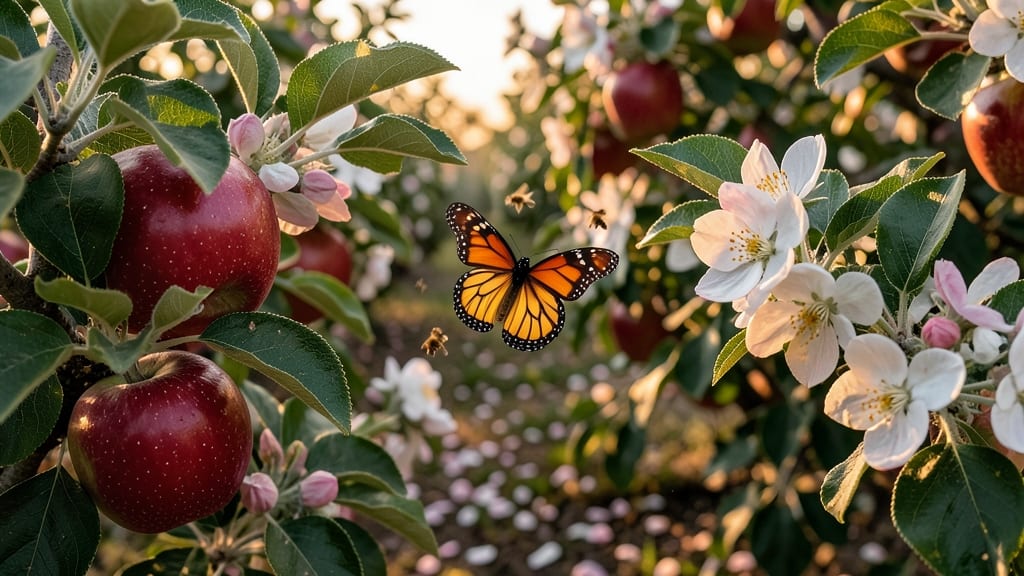
Struggling to get a bountiful harvest from your Red Delicious apple trees? The right pollinators are the secret weapon. These 10 essential bees, bugs, and beneficial insects will dramatically improve fruit set and quality.
Honey Bees for Maximum Fruit Production
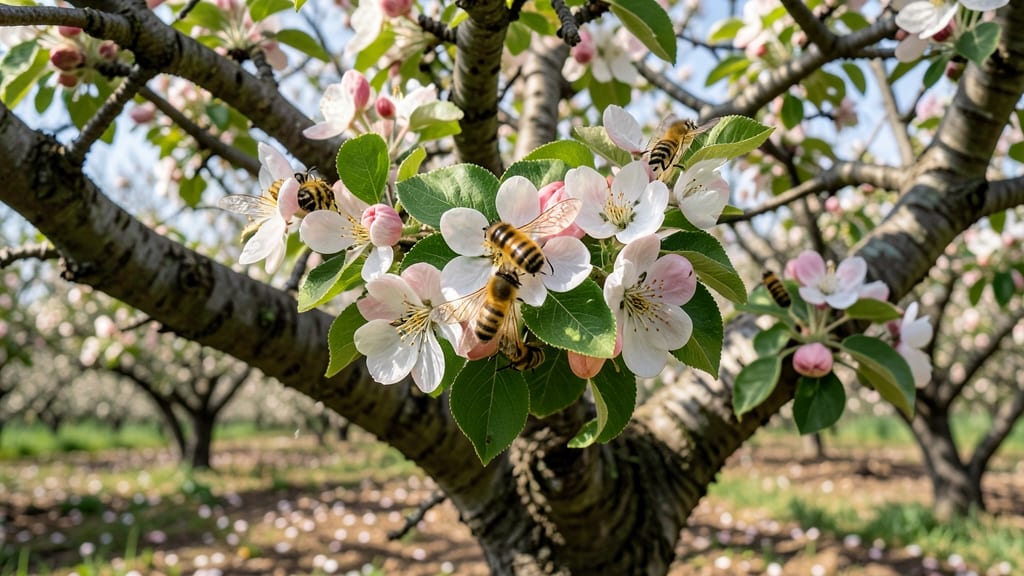
If your Red Delicious apple tree is producing fewer fruits than expected, honey bees might be the missing link. These industrious pollinators are the gold standard for orchards, transferring pollen with surgical precision that boosts yields by up to 30% in commercial settings.
Honey bees thrive in orchard environments and are particularly effective during the peak blooming period of Red Delicious trees. Their ability to carry large pollen loads and fly long distances between blossoms makes them ideal for large orchards or even backyard trees. To attract them, plant early-blooming flowers like dandelions or fruit trees near your orchard to provide nectar sources. Avoid pesticides during bloom time to keep colonies healthy.
For home gardeners with limited pollinator activity, renting a hive of honey bees during bloom season can be a game-changer. Even a single hive can dramatically improve fruit set across multiple trees, making this investment worthwhile for serious fruit producers. 🌟
Bumblebees for Early Season Pollination
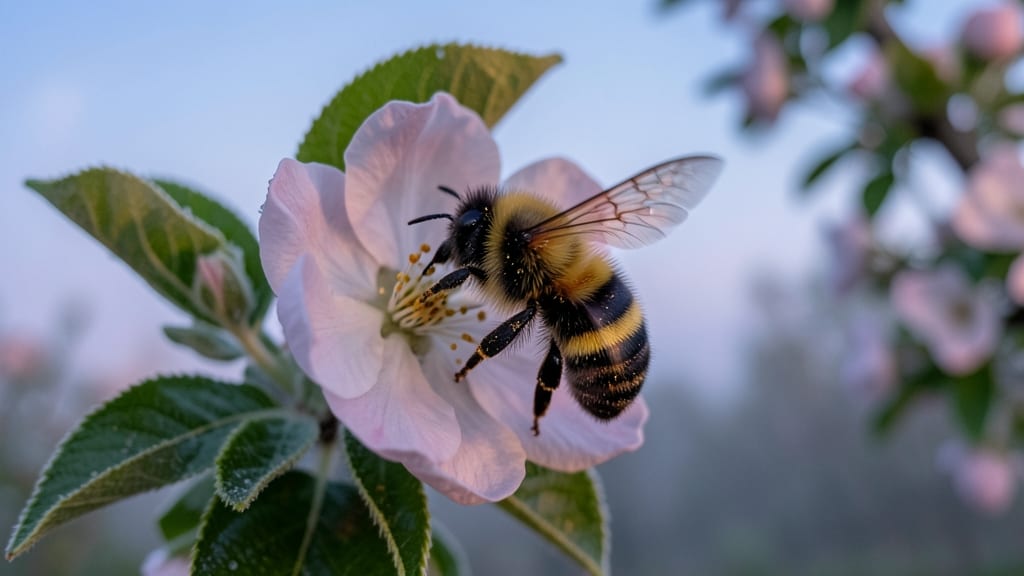
When chilly spring mornings linger and honey bees stay tucked in their hives, bumblebees step up as your Red Delicious apple tree's unsung heroes. These fuzzy pollinators thrive in temperatures as low as 50°F (10°C), making them perfect for early blooms that catch other pollinators off guard.
Bumblebees use a technique called buzz pollination, where they vibrate their flight muscles to release pollen from apple blossoms—ideal for Red Delicious varieties that need vigorous shaking. Plant native wildflowers like lupine or bee balm nearby to give them early-season nectar, and avoid pesticides during their March-May active period.
Home gardeners with small orchards will see the biggest benefits, as bumblebees work efficiently in tight spaces while supporting overall pollinator diversity. 🌿
Mason Bees for Precision Pollination
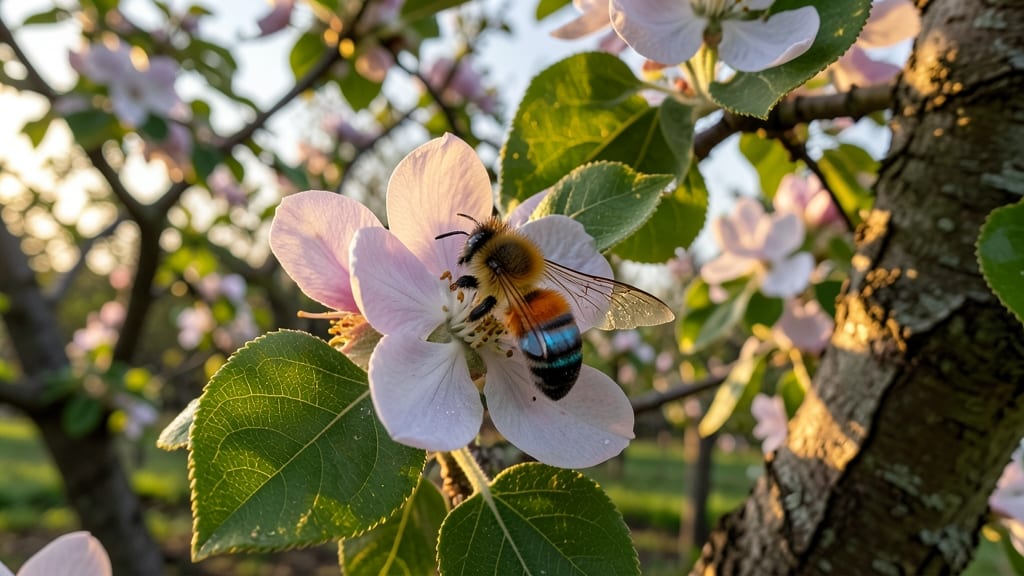
If you’ve ever wondered why some orchards produce more fruit than others, the answer might lie with mason bees—tiny but mighty pollinators that outperform even honey bees in efficiency. These native orchard specialists can pollinate as many blossoms as 100 honey bees in the same time, making them a game-changer for Red Delicious apple trees.
Mason bees thrive in early spring when apple blossoms are abundant, and their solitary nature means they don’t compete for resources like social bees. To attract them, install nesting tubes near your trees—these bees prefer clean, dry spaces to lay their eggs. Unlike honey bees, they don’t sting and are less affected by pesticides, making them ideal for organic orchards.
Home gardeners with small spaces will love mason bees—they require minimal maintenance and deliver maximum pollination power. Adding a few nesting tubes could be the simplest upgrade to your orchard’s productivity. 🌟
Syrphid Flies Mimicking Bee Behavior
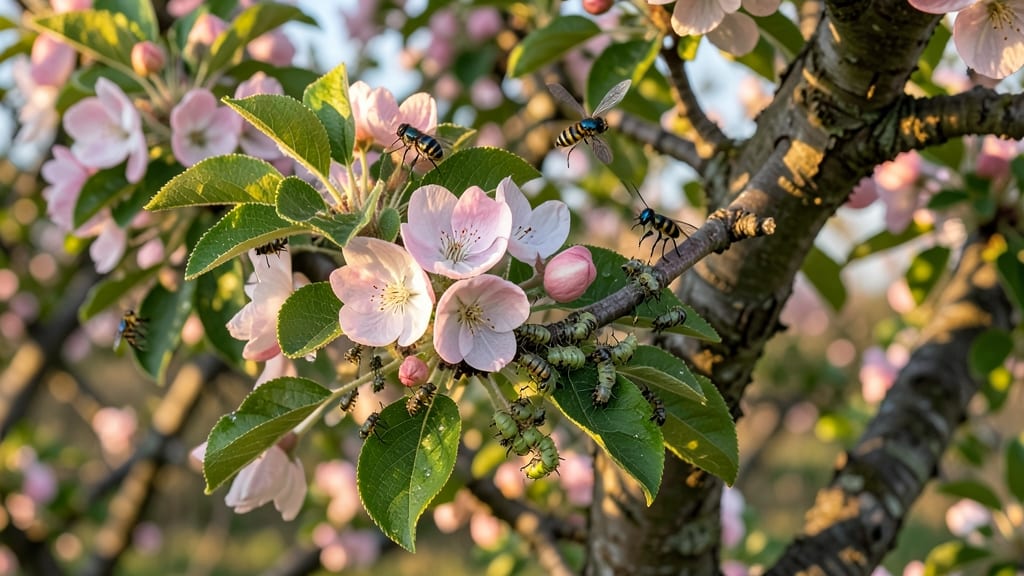
If your Red Delicious apple tree is battling aphid infestations while struggling with poor pollination, syrphid flies are the unsung heroes you need. These hoverflies mimic bees so convincingly that they fool both pests and blossoms alike—while their larvae act as natural aphid-eating machines.
Adult syrphid flies are highly effective pollinators, especially in cooler temperatures when bees are less active. Their larvae, often called "aphid lions," devour hundreds of aphids each, reducing pest pressure without chemicals. To attract them, plant dill, fennel, or yarrow near your orchard—their flowers provide nectar and breeding sites. These flies thrive in organic orchards, making them ideal for growers avoiding synthetic pesticides.
Perfect for small-scale gardeners and organic farmers, syrphid flies offer a two-for-one solution: better pollination and pest control. 🌿
Sweat Bees for Small Orchard Success
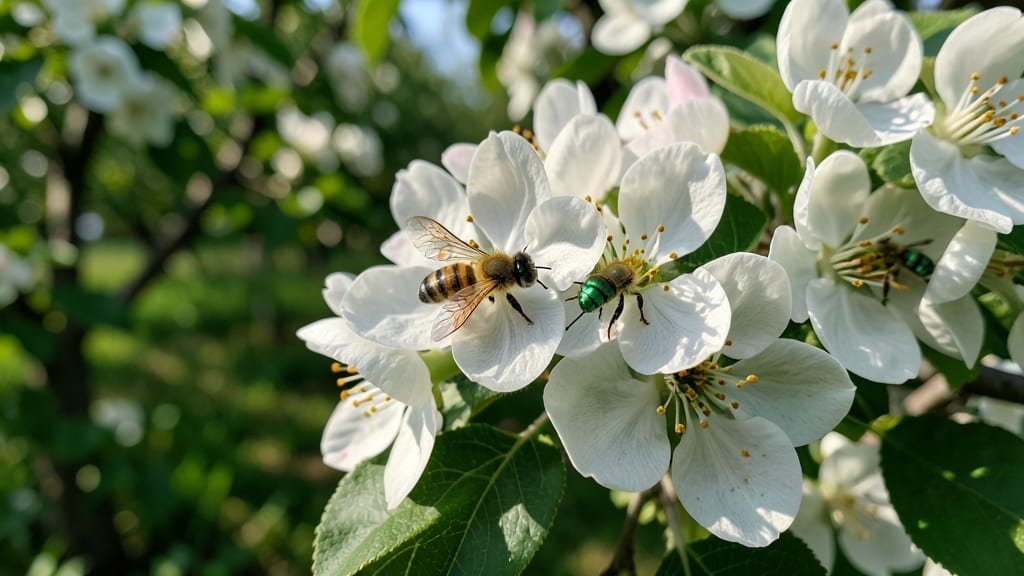
If your backyard orchard is more "backyard" than "orchard," sweat bees are your secret weapon for Red Delicious pollination. These tiny, metallic-green bees may look like ants with wings, but they pack a serious punch for small spaces—outperforming larger bees in tight blossom clusters.
Sweat bees thrive in compact orchards and urban gardens, where they buzz efficiently between Red Delicious blossoms that larger bees might overlook. They're also drought-tolerant and prefer sunny spots, making them low-maintenance allies. To attract them, plant native wildflowers like clover or goldenrod nearby—they love the nectar but focus on your apple tree's pollen.
Perfect for gardeners with limited space, sweat bees prove that big harvests don’t require big yards. Their precision pollination ensures every blossom gets a chance to fruit. 🌻
Leafcutter Bees for Night Blooming Trees
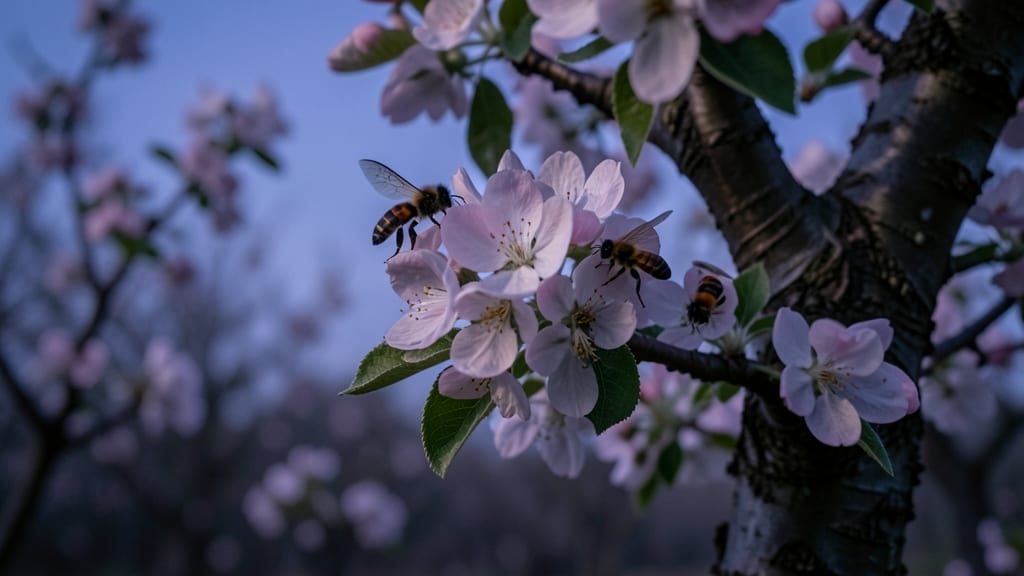
If your Red Delicious apple tree blooms in the late evening, don’t assume those blossoms will go unpollinated—leafcutter bees are the night shift workers of your orchard. While honeybees and bumblebees take daytime naps, these industrious pollinators buzz around at dusk and dawn, ensuring those evening-blooming flowers get the attention they need.
Leafcutter bees are solitary but highly efficient, with females cutting precise circles from leaves to build their nests. They’re especially drawn to white and pink blossoms, making them perfect allies for Red Delicious varieties that peak after sunset. To attract them, leave patches of bare soil for nesting and plant evening-blooming flowers like evening primrose nearby. Their gentle, precise pollination reduces fruit drop and improves set.
Home gardeners with late-blooming apple trees will see the biggest benefits from these underrated pollinators. 🌻
Hoverflies as Aphid-Eating Pollinators
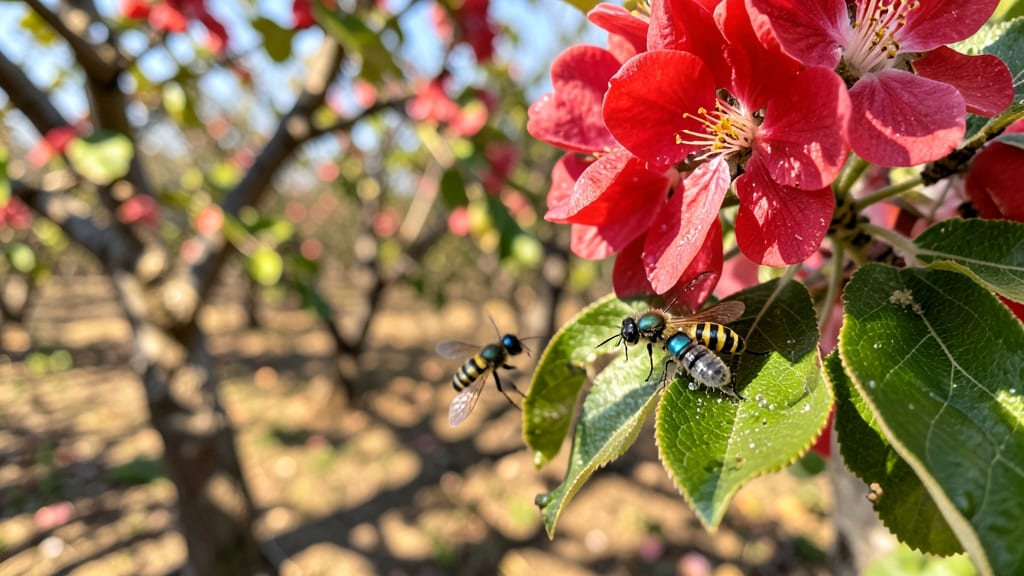
If you're tired of battling aphids while struggling with poor fruit set, hoverflies might be your orchard's secret weapon. These beneficial insects don't just pollinate—they also provide natural pest control, making them a two-for-one solution for organic growers.
Adult hoverflies mimic bees, effectively transferring pollen between Red Delicious apple blossoms during their foraging. Meanwhile, their larvae voraciously consume aphids, reducing pest populations by up to 90% in some cases. To attract them, plant dill, fennel, or marigolds nearby—they love these flowers for nectar and nesting sites.
This makes hoverflies perfect for small-scale organic orchards where chemical sprays are avoided. Their presence means fewer pests and better pollination, leading to healthier trees and bigger harvests. 🌟
Bee Flies for Early Spring Pollination
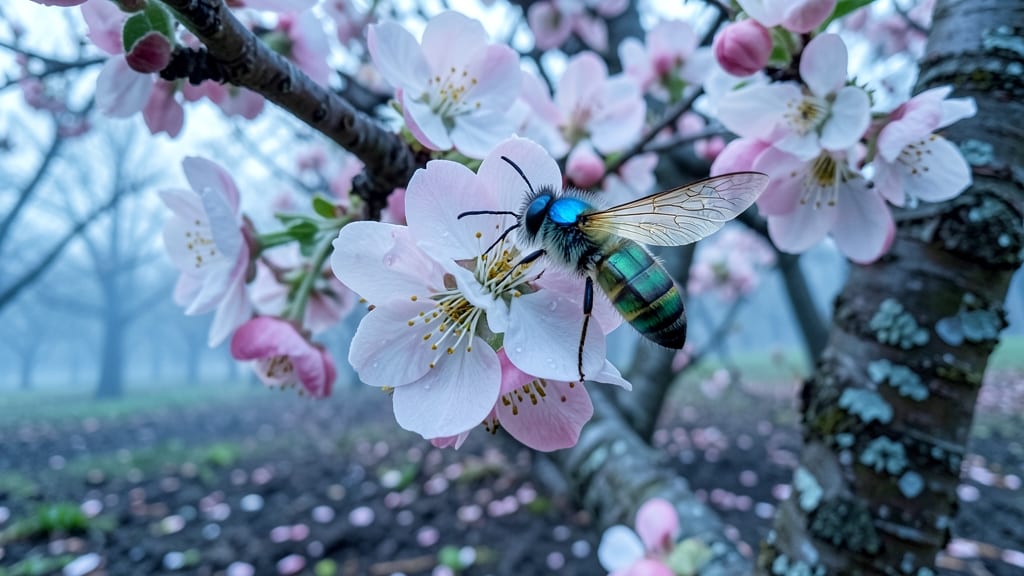
When chilly early spring winds still linger, bee flies are already hard at work on your Red Delicious blossoms. These striking, bee-like flies emerge as early as late February in many regions, often before honey bees or bumblebees become active.
With their long, probing mouthparts, bee flies are uniquely adapted to access pollen deep within apple blossoms. A single bee fly can pollinate hundreds of blossoms per day, making them invaluable for fruit set when other pollinators are scarce. Their presence often signals that your orchard is ready for the pollination season to begin.
Gardeners in cooler climates will find these flies particularly helpful—they thrive in temperatures where many bees remain inactive. Planting early-blooming flowers like dandelions or willow can attract them to your orchard. 🌱
Solitary Bees for Pest Control
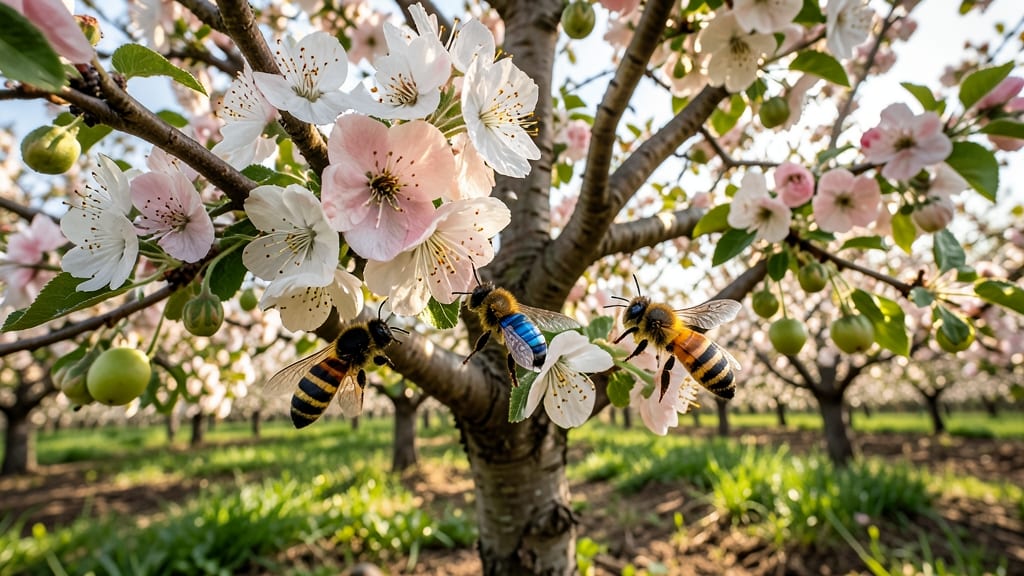
If you're growing Red Delicious apple trees organically, solitary bees might be your secret weapon—combining pollination with natural pest control. Unlike social bees, these solitary species focus their energy on orchard pests while visiting blossoms, reducing the need for chemical interventions.
Species like leafcutter bees and mason bees target aphids, mites, and caterpillars while pollinating, making them ideal for organic orchards. To attract them, install nesting tubes near your trees and plant native wildflowers like milkweed or clover. Their presence also signals a healthy ecosystem, reducing future pest outbreaks.
Perfect for gardeners who want to minimize pesticides while maximizing yields, these bees thrive in small spaces and require minimal maintenance. 🌱
Butterflies Supporting Pollinator Ecosystems

While bees steal the spotlight as top pollinators, butterflies play a crucial role in creating the balanced ecosystem your Red Delicious apple tree needs to thrive. Their presence signals a healthy orchard where other pollinators can flourish, and they contribute indirectly by supporting plant diversity.
Butterflies like monarchs and swallowtails visit apple blossoms for nectar, while their caterpillars munch on nearby plants, preventing overgrowth that could stress your trees. Planting milkweed or dill nearby provides food for butterfly larvae, ensuring their life cycle continues. Even though they don’t carry as much pollen as bees, their activity strengthens the entire pollinator community.
For gardeners who love color and movement, butterflies add beauty while serving as a living indicator of your orchard’s health. Their presence means your trees are attracting a diverse range of pollinators—boosting both fruit set and biodiversity. 🌻