
Pruning
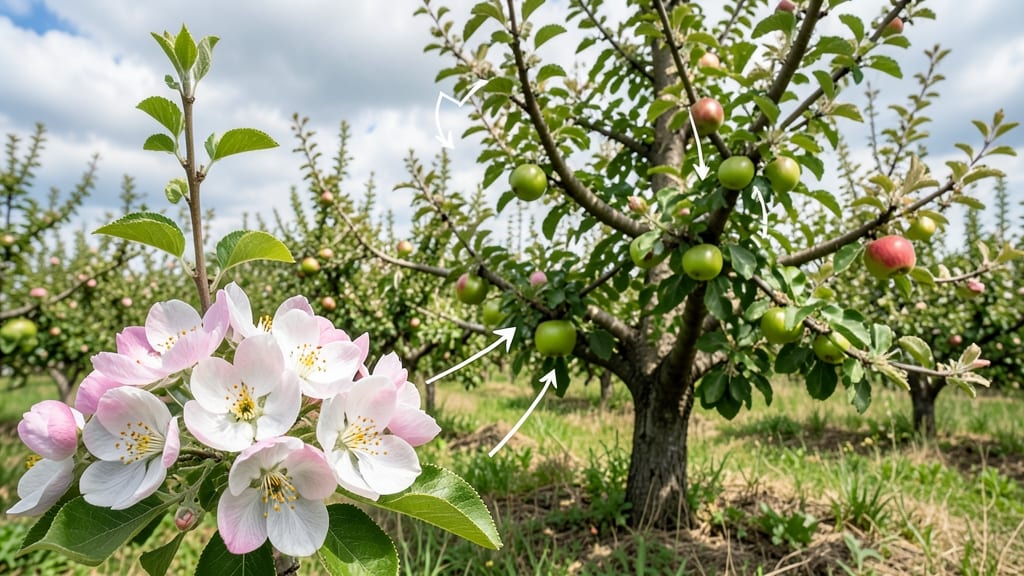
Telling if an apple tree 🍎 will fruit comes down to spotting five early signs most gardeners miss—before the first blossoms even appear.
You’ve given your tree the perfect spot in USDA Zone 6a, pruned it just right, and even fed it the right fertilizer, yet still no apples. The truth is, fruit production starts long before spring blooms, hidden in the tree’s structure and growth habits.
Knowing what to look for in the branches, buds, and overall health can save you years of waiting for that first harvest.
From the shape of its branches to the tiny buds forming along the wood, your tree is already sending signals about its fruiting potential. These clues aren’t just academic—they’re actionable.
In this guide, I’ll walk you through how to read your tree like a pro, so you can tell within a season whether it’s destined for a bountiful harvest or just more shade for your yard.
Ready to stop guessing? You’ll learn how to spot fruit spurs, recognize the difference between productive and sterile growth, and fix common mistakes that keep trees barren—even if they look healthy. Let’s get started.
5 Early signs your apple tree will fruit (before blooms appear)
Apple trees are patient creatures—they often take 3 to 5 years to bear fruit after planting. But if you’re eager to know whether your tree will produce apples, look for these early signs of fruiting potential before the iconic spring blooms even appear.
These subtle clues reveal whether your tree is primed for harvest or just putting on a pretty show. I’ve learned the hard way that overlooking these signs can mean years of waiting (or worse, giving up hope!).
One of the biggest misconceptions is that a tree’s age alone determines fruit production. While younger trees need time to establish their root systems and branch structure, healthy growth patterns in the first few years can give you a clear head’s up.
For example, a 2-year-old tree with fruit spurs (short, stubby branches) is far more likely to bear apples than one with only long, whippy growth. Pay attention to these 5 key indicators to avoid disappointment.
-
1
Fruit Spurs Developing
Look for short, stubby branches (1–3 inches long) along mature limbs. These are fruit spurs, where apple blossoms and fruit form. Healthy spurs appear plump and slightly raised.
-
2
Lateral Buds, Not Just Terminal
Fruiting trees develop lateral buds (along the sides of branches) rather than just terminal buds (at branch tips). Count the buds: 3+ lateral buds per inch of branch = good sign.
-
3
Thick, Dark Green Leaves
Leaves on fruit-bearing branches are thicker, darker green, and slightly waxy. Compare them to thin, pale leaves on non-fruiting growth—the contrast is telling!
-
4
No Water Sprouts
Trees with vertical, whip-like shoots (water sprouts) are often non-fruiting. These compete for energy. Prune them early to redirect growth toward fruit production.
-
5
Strong Root Collar
A thick, swollen root collar (where roots meet trunk) signals a tree with established roots. Run your fingers along the base—if it feels firm and ridged, your tree is likely ready to fruit.
Let me share a personal example: My first apple tree had all the right conditions—full sun, rich soil, and regular water—but it didn’t fruit for 4 years. The issue? It was producing only terminal buds and water sprouts.
Once I pruned aggressively to encourage lateral buds and fruit spurs, it bore 50 apples the next season. That’s the power of these early signs!
Another pro tip: Young apple trees (under 3 years) may show these signs but still need cross-pollination. If you only have one tree, plant a second compatible variety within 50 feet to ensure pollinators can do their job.
For instance, ‘Honeycrisp’ needs a partner like ‘Golden Delicious’ to set fruit.
Don’t wait until spring to assess your tree’s potential. Fall is the best time to inspect branches for fruit spurs and bud patterns, as winter dormancy reveals their true structure.
Grab a magnifying glass and examine the smallest buds—you’ll be amazed at what you can learn before the first bloom appears.
If your tree is missing these signs, don’t panic. Pruning in late winter (when the tree is dormant) can redirect energy toward fruiting branches. Focus on removing water sprouts and thinning dense growth to improve air circulation.
Just remember: patience is key—some varieties like ‘Granny Smith’ take 5–7 years to reach full production.
Finally, keep an eye on your tree’s leaf color and size in early spring. Vibrant, glossy leaves indicate a tree with enough energy to produce fruit, while yellowing or small leaves suggest nutrient deficiencies (like lack of zinc or nitrogen).
A simple soil test can reveal what’s missing and help you boost fruiting potential before the growing season peaks.
🍎
How to compare fruit-bearing vs. non-fruiting apple tree branches
Apple trees speak volumes through their branches—if you know what to look for. The difference between fruit-bearing and non-fruiting branches often comes down to subtle structural clues hidden in plain sight.
I’ve spent years studying these distinctions, and the key lies in understanding lateral buds versus terminal buds, as well as the presence of fruit spurs.
Fruit-bearing branches typically feature short, stubby lateral buds along their length, which develop into fruit spurs—the tiny, woody growths where apples form. Meanwhile, non-fruiting branches often sport long, thin terminal buds at the tips, signaling rapid, upward growth without reproductive potential.
These differences become especially clear during late winter pruning, when buds are most visible before spring growth begins.
One of the most telling signs is the presence of fruit spurs, which appear as tiny, knobby growths along mature branches. These spurs are essentially miniature fruiting sites that can produce apples for years.
When I inspect my Honeycrisp tree in late winter, I look for clusters of these spurs—each one is a promise of future harvests. In contrast, water sprouts (those fast-growing, vertical shoots) are energy vampires, draining resources from potential fruit production.
Age also plays a critical role. Young apple trees often prioritize vegetative growth over fruiting, so their branches may lack spurs entirely. However, by year 3 or 4, productive trees should show clear signs of lateral bud development.
If your tree is older but still sparse in spurs, it might need corrective pruning to redirect energy toward reproductive growth rather than excessive leafy shoots.
Light exposure matters too. Branches receiving direct sunlight for at least 6 hours daily are far more likely to develop fruit spurs. I’ve noticed this firsthand with my Granny Smith tree—shaded inner branches often remain barren, while sunlit outer limbs burst with spurs.
If your tree’s center looks sparse, consider thinning the canopy to improve light penetration.
Don’t overlook the leaf-to-bud ratio either. Fruit-bearing branches tend to have smaller leaves clustered near buds, while non-fruiting branches support larger, more uniform foliage. This subtle difference reflects the tree’s energy allocation—prioritizing either growth or reproduction.
When I see this pattern, I know which branches to protect during pruning and which to trim back to encourage balance.