
Pruning
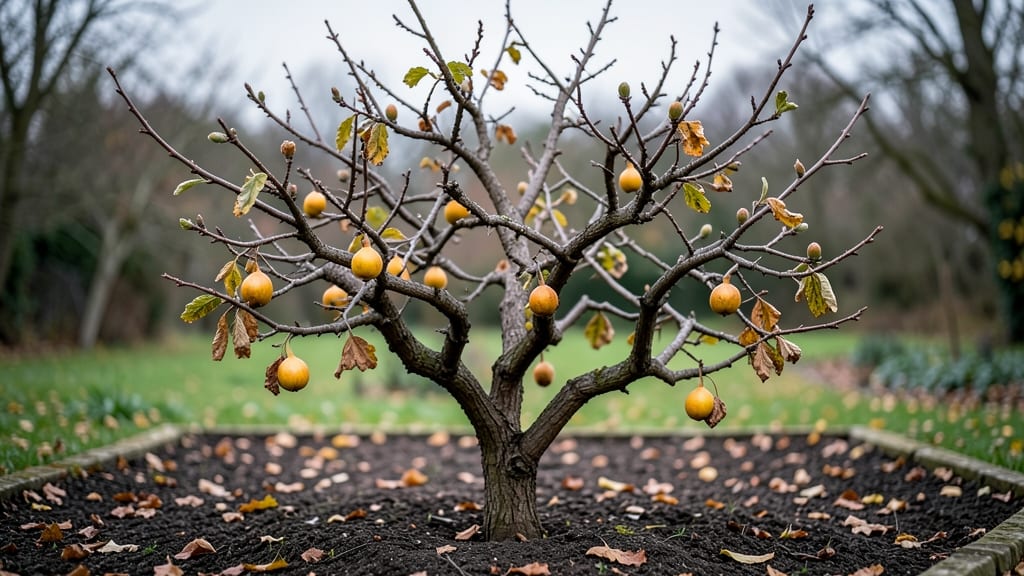
Winter pruning your quince tree means springtime blooms that outshine everything else in your garden. ✂️ I learned the hard way that timing matters—cut too early, and you risk frost damage; too late, and you rob the tree of energy it needs to wake up strong.
The secret lies in a sharp cut after the first hard frost but before new growth appears, usually in late winter when temperatures stay below freezing for weeks.
You'll need just a few tools: clean, sharp pruners, rubbing alcohol for disinfecting cuts, and a sturdy ladder if your tree is tall. The goal is to open up the center of the tree for better airflow and sunlight, which prevents disease and encourages robust flowering.
Quince trees are forgiving, but precise cuts make all the difference—aim for where branches naturally taper, and avoid leaving stubs.
What you're really preparing for is a burst of vibrant spring growth—think glossy new leaves and clusters of fragrant blossoms that attract pollinators. The tree will reward your effort with fruit later in the season, too, but the real magic happens in those first weeks when everything comes alive.
Just be patient: quince trees take their time, but the payoff is worth it.
This method works for both young and mature quince trees, though younger trees benefit most from annual pruning. If you're in a colder climate, add a layer of mulch around the base to protect roots from freezing.
Now grab those pruners—spring is just around the corner, and your quince is waiting.
📚 In This Guide
- What you need
- Instructions
- Tips and common mistakes
- Wrapping up and next steps
What you need
- ● Pruning shears (bypass pruners) – Choose sharp, high-quality shears with a 4- to 6-inch blade for clean cuts. Example: Felco F-2 or Corona Classic.
- ● Loppers – For thicker branches (up to 1.5 inches in diameter). Opt for bypass loppers with a 10- to 12-inch handle for leverage.
- ● Pruning saw – For branches larger than 1.5 inches. A curved-tooth saw prevents tearing the bark.
- ● Gloves – Wear cut-resistant, heavy-duty gloves (e.g., Mechanix or garden-specific pruning gloves) to protect your hands from thorns and rough bark.
- ● Disinfectant (70% isopropyl alcohol or bleach solution) – Clean tools between cuts to prevent disease spread.
- ● Rag or paper towels – For wiping tools and hands.
- ● Ladder or step stool – If your quince tree is taller than 6 feet, ensure stability and safety.
- ● Twine or zip ties – For securing branches that need temporary support.
- ● Trash bags or bucket – To collect pruned branches for disposal or composting.
- ● Hand pruners with a ratchet mechanism – Reduces hand fatigue for long pruning sessions.
- ● Pole pruners – Extend your reach for high branches without a ladder.
- ● Pruning sealant – Only use on large cuts (over 2 inches) to prevent disease (e.g., Tanglefoot Tree Wound Pruning Sealer).
- ● Marking spray or paint – Helps identify branches to remove (e.g., bright pink or yellow spray).
- ● Safety glasses – Protects your eyes from debris, especially when using a saw.
- ● Knee pads – For comfort if you’re working on the ground near the tree base.
Step-by-step guide to pruning your quince tree in winter
Winter's the perfect time to refresh your quince tree—here's exactly how to shape it for stronger growth and better blooms.
✂️ Step 1: Gather Your Tools and Safety Gear
Start with a sharp pair of bypass pruning shears—dull blades crush stems and invite disease. I always sterilize my tools with 70% rubbing alcohol before I begin, especially if the tree had any issues last season. Grab a small pruning saw for any thick branches over ½ inch in diameter, and don't forget thick gardening gloves—quince thorns are no joke.
Work on a dry day when temperatures stay above 40°F. Cold, wet wood splits easily, and you don’t want to damage the tree while you’re trying to help it. Lay down a drop cloth or old tarp beneath the tree to catch fallen branches and debris—this makes cleanup a breeze later.
🌿 Step 2: Identify and Remove Dead or Diseased Wood
Scan the tree for branches that are brown, brittle, or hollow—these are dead and need to go. Dead wood often has no green underneath the bark when you scrape it with your thumbnail. Cut these back to the main trunk or a healthy lateral branch, making your cut at a 45-degree angle just outside the branch collar.
Next, look for branches with fungal spots, cankers, or oozing sap—these are signs of disease. Prune these out immediately, cutting 6 inches below the last visible sign of infection. Burn or dispose of infected branches in the trash, not your compost pile, to prevent spreading disease. I always sanitize my tools again after removing diseased wood to keep everything clean.
✂️ Step 3: Thin Out Crowded Branches for Better Airflow
Quince trees thrive when they get plenty of airflow, so your goal is to open up the center of the tree. Start by removing any branches that cross or rub against each other—they’ll eventually create wounds and invite pests. Cut these back to the nearest outward-facing branch or the trunk.
Next, look for water sprouts—those fast-growing, vertical shoots that shoot up from the trunk or larger branches. These steal energy from the tree and rarely produce fruit. Snip them off at the base. Finally, remove any branches growing straight inward toward the center. You’ll know you’re doing it right when you can see light filtering through the tree’s canopy.
☀️ Step 4: Shape the Tree for Light and Structure
Step back and visualize the tree’s natural shape—quince trees often grow with a rounded, vase-like form. Start by shortening the longest branches by about ⅓ to encourage bushier growth. Make your cuts just above an outward-facing bud or a side branch to promote new growth in the right direction.
Focus on balancing the tree’s shape—if one side is heavier, prune slightly more on that side to even things out. Avoid cutting back more than 25% of the tree’s total foliage in one season, or you’ll stress the quince. Leave some branches longer to provide scaffolding for future growth, especially if you want to support heavy fruit later.
🪴 Step 5: Clean Up and Protect the Tree
Once you’ve finished pruning, rake up all the debris—leaving branches on the ground can harbor pests and diseases over winter. I like to mulch the base of the tree with 2-3 inches of organic mulch (like wood chips) to protect the roots from freezing temperatures. Keep the mulch 6 inches away from the trunk to prevent rot.
Give the tree a deep watering if winter has been particularly dry, but avoid overwatering—quince trees are drought-tolerant once established. Finally, label the tree if you have multiple varieties, so you don’t mix them up during spring care. Store your pruning tools in a dry place until next season.
Tips & tricks for perfect winter pruning of your quince tree
Winter's the ideal time to refresh your quince tree—here are the key insights that'll help you prune like a pro.
The Tool Factor: I can't stress enough how important it is to use sharp tools. Dull pruning shears tear the bark rather than cutting cleanly, which invites disease. I always test my shears by cutting a piece of paper—if it doesn't slice cleanly, it's time to sharpen them. For branches over ½ inch thick, that small pruning saw becomes your best friend. I've seen people struggle with thick branches, so don't skip this step—it makes all the difference when you're dealing with quince's tougher wood.
Temperature Matters: Working when temperatures stay above 40°F is crucial—below that, the wood becomes brittle and more likely to split when you cut. I've learned this the hard way after seeing pruning wounds take much longer to heal in colder conditions. If your winter's particularly chilly, plan your pruning for the warmest part of the day. Also, avoid pruning after rain—wet wood is even more prone to splitting, and you'll end up with messy cuts that heal poorly.
Visual Cues for Healthy Wood: When identifying dead or diseased branches, look for three key visual clues: first, the bark should be brown and brittle rather than the healthy green-brown of live wood. Second, scrape a small area—if there's no green underneath, it's dead. Third, healthy branches should have a firm, slightly springy feel when you gently bend them. I've found that using a small magnifying glass helps spot early signs of disease like fungal spots that might be hard to see with the naked eye. These visual checks save me from making costly mistakes.
Shape and Balance: The 25% foliage limit mentioned in Step 4 is a good rule of thumb, but I've learned to trust my eye more than the percentage. Step back frequently and visualize the tree's natural vase shape. If one side looks heavier, you'll naturally prune more there. I like to imagine light filtering through the center—when I can see that happening, I know I've opened up the tree properly. Remember, quince trees respond well to gradual shaping, so don't be tempted to remove too much at once.
Pro Tips for Quince Tree In Winter
- Winter's the ideal time to refresh your quince tree—here are the key insights that'll help you prune like a pro.
- The Tool Factor: I can't stress enough how important it is to use sharp tools.
- Temperature Matters: Working when temperatures stay above 40°F is crucial—below that, the wood becomes brittle and more likely to split when you cut.
Frequently asked questions
Got questions about keeping your quince tree thriving through winter?
Here are answers to the most common ones—so you can prune with confidence and set the stage for stunning spring blooms.
When is the best time to prune a quince tree in winter?
Prune your quince tree during its dormant season—typically late winter (February to early March) before new growth begins. This timing minimizes stress and reduces disease risk. Avoid pruning after buds swell or during extreme cold snaps. Pro tip: Check your local frost dates to align pruning with the last hard freeze!
Can I prune a quince tree in late winter if I missed the ideal time?
Yes, but with caution! If you miss the late winter window, wait until early spring (just as buds start to swell). Avoid pruning in fall or during active growth periods, as this can invite pests or fungal infections. If your tree is young or overgrown, prioritize shaping over exact timing. Pro tip: Focus on removing dead or diseased branches first!
How do I know which branches to cut on a quince tree?
Target branches that are:
- Dead or diseased (no leaves, brown/cracked bark, or fungal growth).
- Crossing or rubbing (friction weakens the tree and invites rot).
- Overcrowded (remove up to 20% of the canopy to improve airflow).
- Suckers or water sprouts (fast-growing, vertical shoots at the base).
Will pruning a quince tree affect its fruit production next year?
Pruning correctly actually boosts fruit production by improving airflow and sunlight exposure. However, avoid over-pruning—never remove more than 25-30% of the canopy in one season. Quince trees thrive with an open vase shape, so focus on thinning branches rather than heavy cuts. Pro tip: Prune after harvest (if applicable) for a gentler transition!
What if the temperature drops suddenly after I prune?
If a cold snap hits within 24–48 hours of pruning, your tree may experience temporary stress, but it’ll recover. To minimize risk:
- Prune on a mild but dry day (above 40°F/4°C).
- Avoid pruning if a freeze is forecasted.
- Water the base lightly after pruning to reduce shock.
Wrapping up and next steps
Winter is the perfect time to give your quince tree the care it needs to thrive and burst into stunning spring blooms! By mastering sharp pruning techniques—like thinning out dense branches, removing dead wood, and shaping for airflow—you’re setting the stage for healthier growth and a bountiful harvest.
Remember, patience and precision are your best tools, and even a little effort now can make a big difference in the seasons ahead. 🌱
Ready to roll up your sleeves? Grab your pruners, mark your calendar for late winter, and take that first confident cut—your quince tree (and future fruit!) will thank you. Happy pruning! 🌿✂️