
Trees
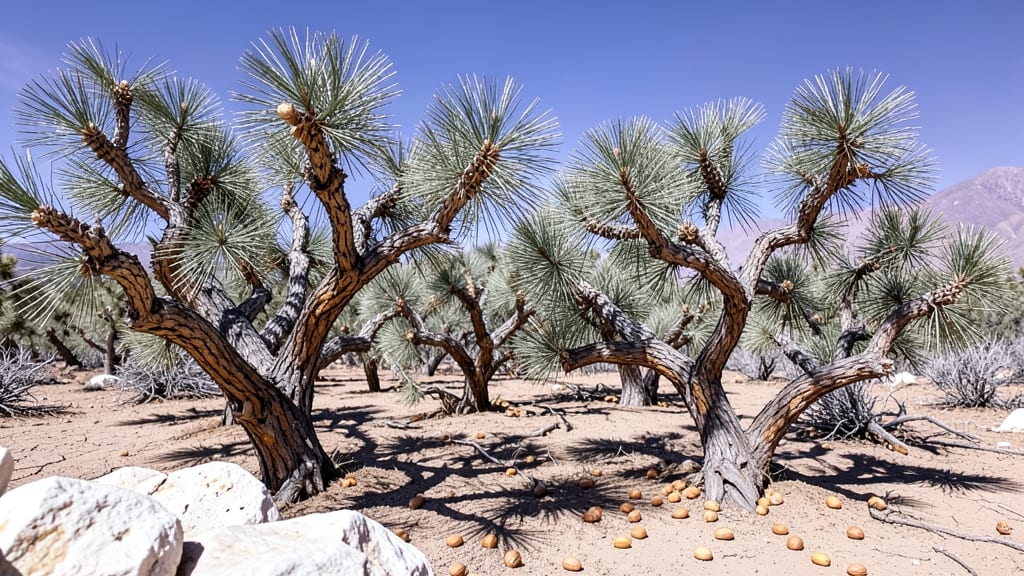
Transform your yard with these 10 fastest-growing native pine cone tree types. Each offers unique foliage, wildlife benefits, and rapid growth—perfect for instant shade and curb appeal.
Eastern White Pine Needles and Cones
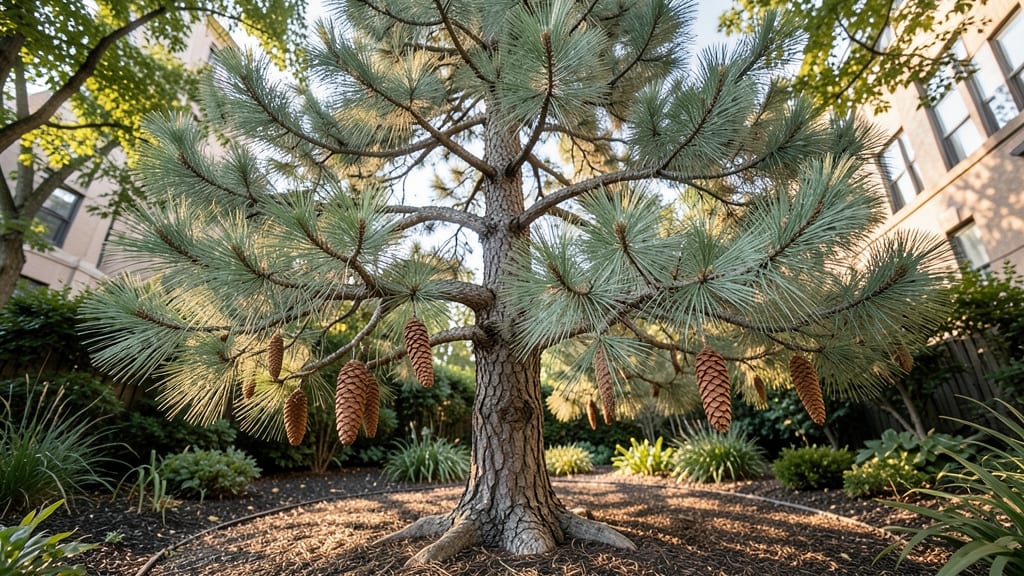
The Eastern White Pine stands out as the perfect shade-loving tree for urban gardens, offering both beauty and practicality. Its soft, flexible needles (up to 5 inches long) sway gently in the breeze, while its large, symmetrical cones add architectural interest year-round.
This adaptable tree thrives in partial shade to full sun and tolerates a wide range of soils, making it ideal for city landscapes where space is limited. The needles release beneficial oils that deter pests, and the cones provide food for birds and small mammals, creating a thriving wildlife habitat. With its slow growth rate, it’s also perfect for long-term landscaping projects. 🌟
Loblolly Pine Needles and Cones
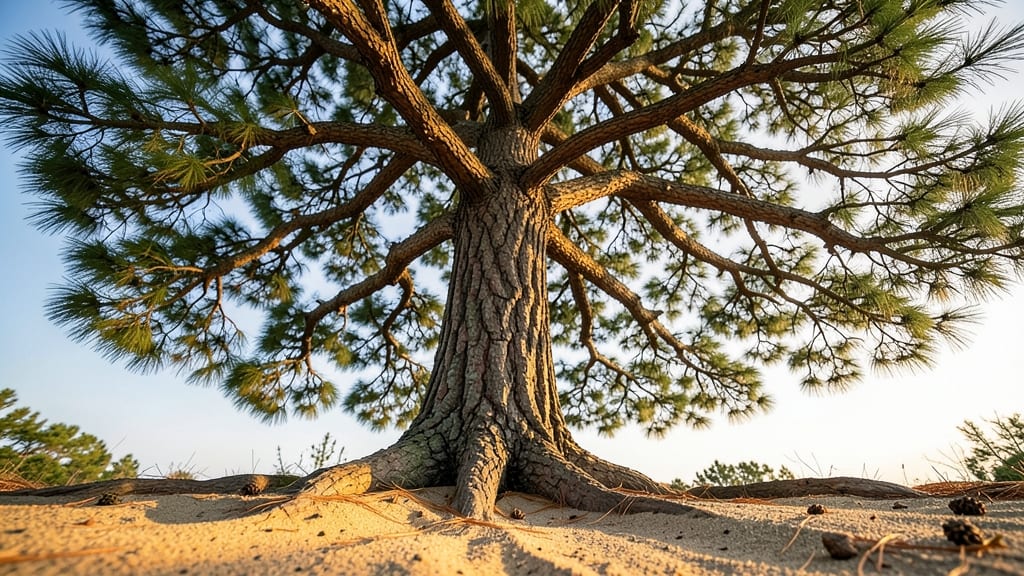
If you're looking for a hurricane-resistant tree that thrives in sandy soils and grows faster than most pines, the loblolly pine is your best bet. Native to coastal regions, it’s the go-to choice for homeowners in the Southeast who want both beauty and resilience.
This fast-growing species features bright green needles (6–9 inches long) that stay vibrant year-round, while its large, spiky cones (4–7 inches) add striking texture to landscapes. Plant it in full sun for optimal growth—it tolerates poor, sandy, or acidic soils better than many other pines, making it ideal for erosion-prone areas.
Perfect for homeowners in coastal zones, the loblolly pine’s deep roots also help stabilize soil during storms. 🌻
Ponderosa Pine Needles and Cones
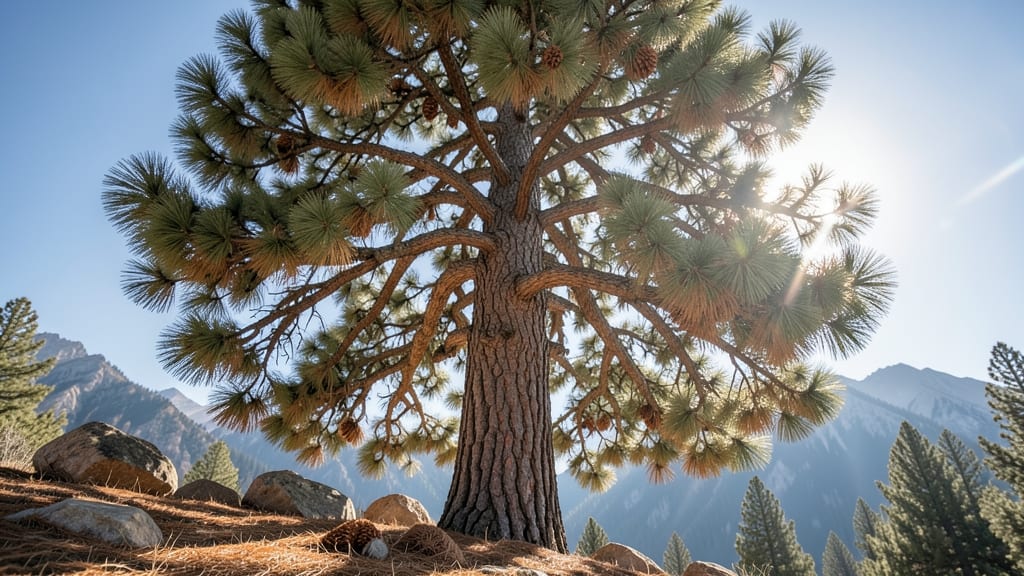
If you're dreaming of a mountain-inspired garden that thrives in drought-prone or high-elevation areas, the Ponderosa Pine is your answer. This majestic tree isn’t just stunning—its thick, aromatic needles and massive cones create a fragrant, wildlife-friendly landscape that’s built to last.
Native to the western U.S., the Ponderosa Pine loves full sun and well-drained soil, making it perfect for rocky slopes or arid climates. Its needles, bundled in groups of five, release a refreshing pine scent when crushed, while its cones can grow up to 20 inches long—ideal for adding texture to your garden. This slow-growing giant (about 1-2 feet per year) rewards patience with year-round interest and shade.
Perfect for gardeners in USDA zones 4-8, this tree thrives where others struggle. Its deep roots also help prevent erosion, making it a low-maintenance hero for rugged landscapes. 🌟
Shortleaf Pine Needles and Cones
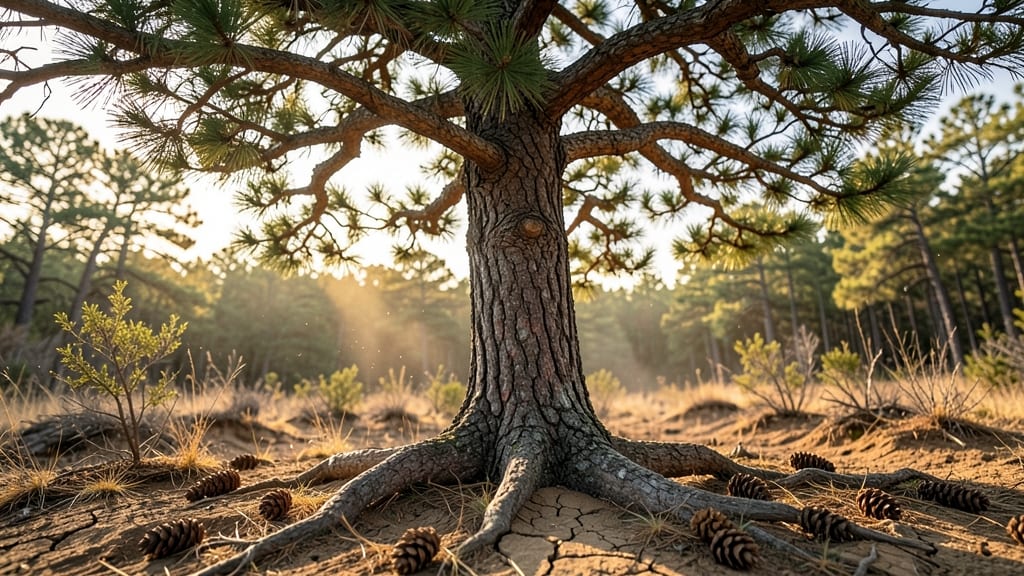
Looking to restore native forests or improve poor-quality soil? The shortleaf pine is your go-to species for Southeast landscapes. This resilient tree thrives in nutrient-deficient soils where others struggle, making it a hero for reforestation and land reclamation projects.
With its short, dark green needles and compact, symmetrical cones, this pine creates a tidy appearance while supporting local wildlife. Plant seedlings in full sun with minimal soil prep—they’ll establish quickly even in rocky or acidic conditions. The cones mature in just 18 months, providing food for birds and small mammals year-round.
Perfect for landowners, conservationists, and gardeners in the Southeast, this adaptable species offers both ecological and aesthetic benefits. 🌿
Scotch Pine Needles and Cones
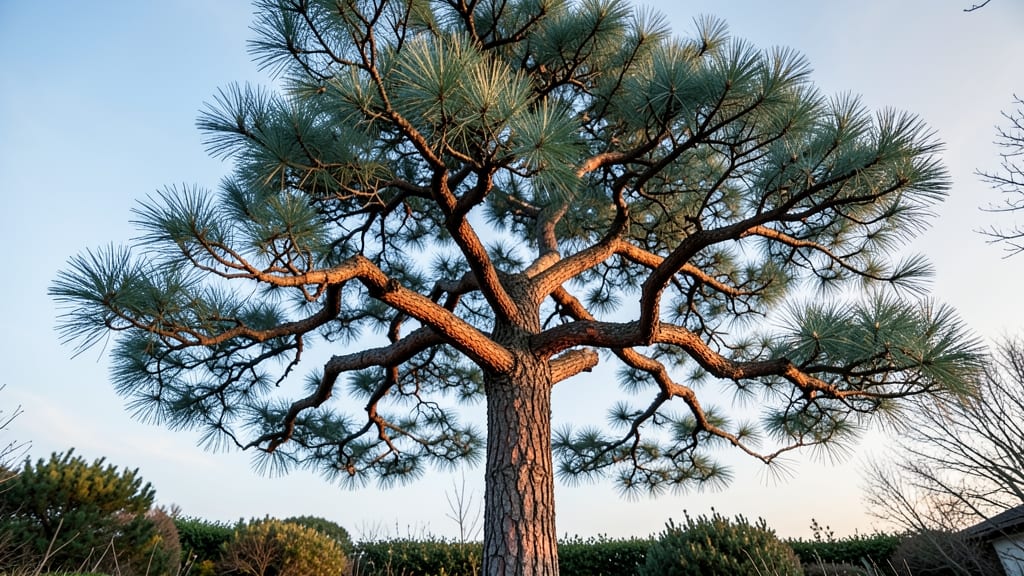
Looking for a pine tree that adds structure and elegance to your landscape? The Scotch Pine (Pinus sylvestris) delivers with its long, blue-green needles and distinctively twisted branches, creating a striking focal point in formal gardens or as a natural windbreak.
This versatile evergreen thrives in full sun to partial shade and tolerates a wide range of soils, from sandy to rocky. Its small, woody cones add texture, while the twisted, gnarled branches create a dramatic silhouette. Prune selectively to maintain its ornamental shape, and enjoy year-round interest with minimal maintenance.
Perfect for gardeners seeking a low-maintenance yet visually striking tree, the Scotch Pine also excels in urban settings where space is limited but impact is desired. 🌟
Virginia Pine Needles and Cones
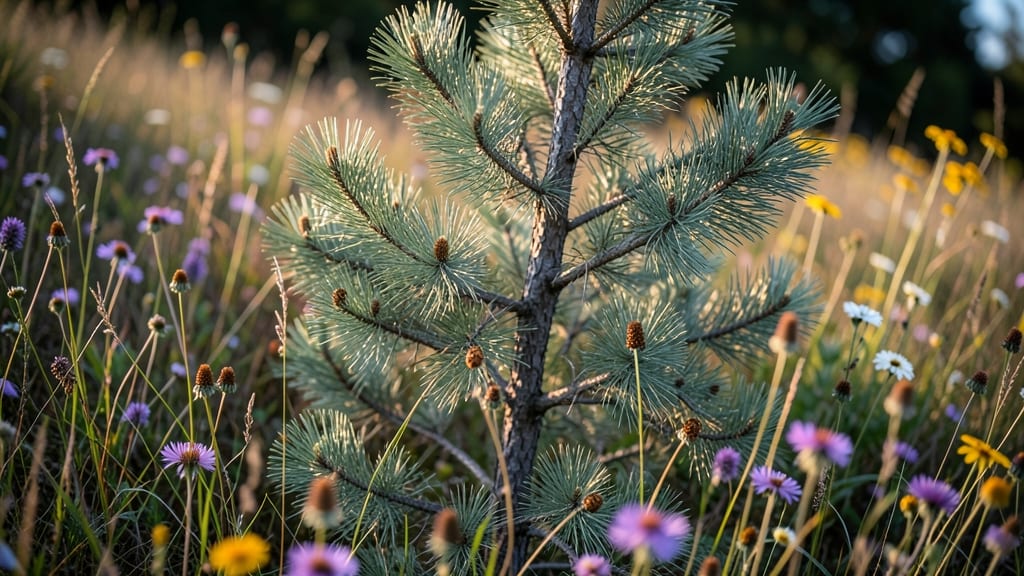
Looking to add texture and wildlife appeal to your wildflower meadows without overwhelming your garden? The Virginia pine (Pinus virginiana) is your understory secret weapon—its short, clustered needles and tiny, berry-like cones blend seamlessly with native prairie plants while providing year-round structure.
This low-maintenance pine thrives in partial shade (3–6 hours of sun) and tolerates poor, rocky, or sandy soils—making it ideal for pollinator gardens where bees and butterflies forage among wildflowers. The cones are smaller than most pines (just 1–2 inches long) and stay closed until mature, offering shelter for insects and birds. Plant it as a multi-stemmed shrub or small tree (15–25 feet tall) to create natural layers in meadows or woodland edges.
Perfect for gardeners who want a native, low-growing pine that supports wildlife without stealing the spotlight from wildflowers. 🌻
Jack Pine Needles and Cones
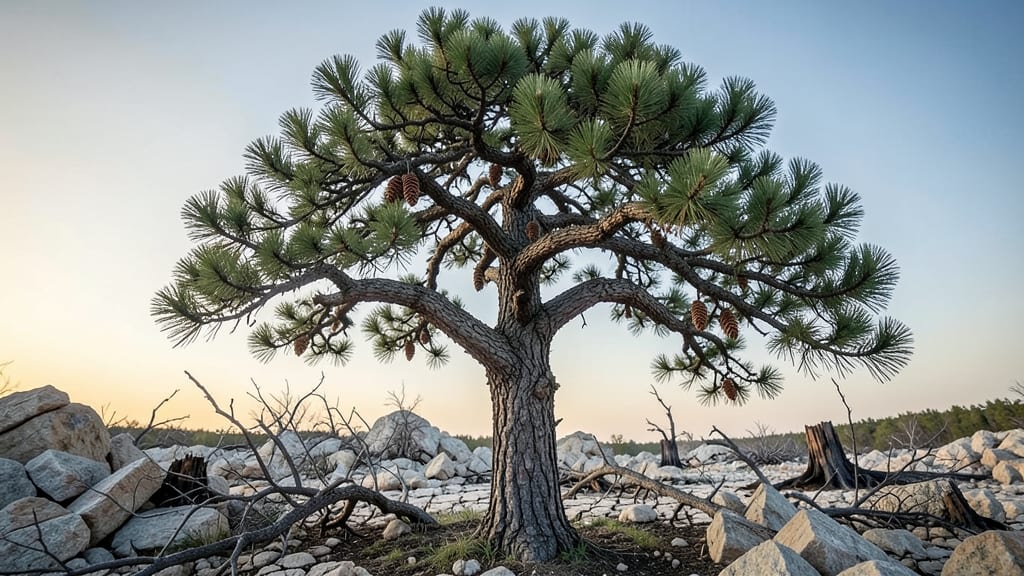
Need a tree that thrives where others fail? The Jack Pine is your resilient champion, designed by nature to reclaim burned or disturbed lands with its twisted, dark green needles and unique serotinous cones.
This cold-hardy pioneer thrives in poor, rocky soils and harsh climates, making it perfect for reforestation projects or areas recovering from wildfires. Its cones stay closed until exposed to heat, ensuring seeds only germinate after fires clear competition. Plant in full sun for best results—it handles drought and wind like a pro. 🌟
Ecologists and land stewards love Jack Pine for its ability to stabilize soil and kickstart ecosystems. If you're restoring a damaged landscape or want a tough, low-maintenance tree, this is your go-to species. 💪
Pitch Pine Needles and Cones
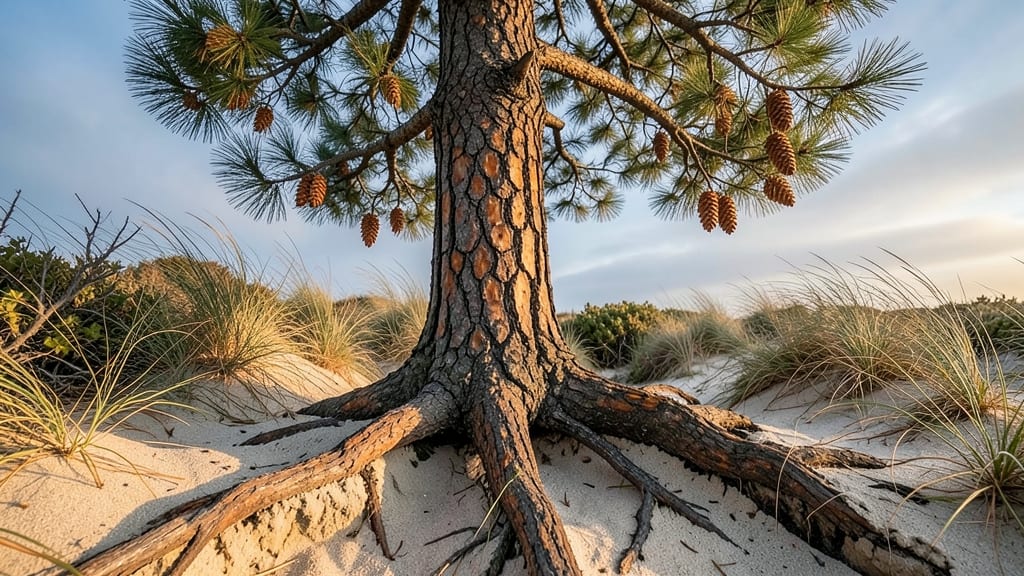
If your garden sits near the coast or battles erosion, the pitch pine is your secret weapon. Its fire-resistant adaptations—like thick bark and resinous cones—make it a natural choice for stabilizing sandy soils and surviving harsh conditions.
This coastal native thrives in full sun with minimal care, producing long, bright green needles (3–5 inches) and large, resinous cones that add texture to dune landscapes. Plant it in well-drained, sandy soil to prevent root rot, and watch it anchor loose soil while providing windbreaks. Its fast growth rate (1–2 feet per year) means quick results for erosion control.
Perfect for coastal gardeners, land restorers, and wildlife enthusiasts, the pitch pine’s resilience makes it a standout for high-stress sites. 🌟
Red Pine Needles and Cones
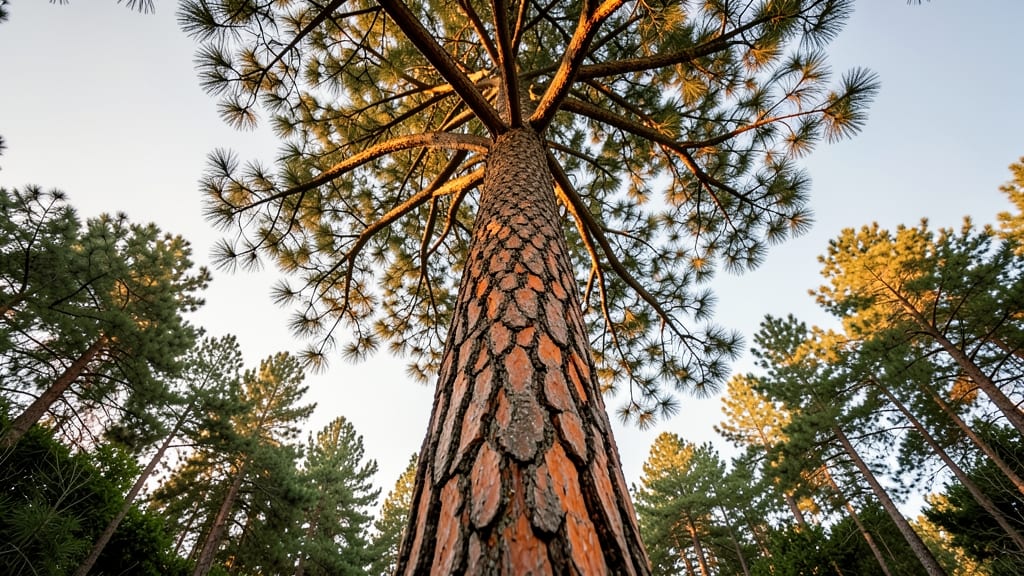
The Red Pine stands out as a true American classic, with its striking orange-brown bark and long, stiff needles that create a bold vertical presence. This native species thrives in open spaces, making it a standout choice for large estates, parks, and wildlife corridors where its majestic form can shine.
Known for its two-needle bundles (unlike the three of white pines), Red Pine grows 60-80 feet tall with a straight trunk that’s perfect for timber or landscape focal points. It prefers well-drained, acidic soils and full sun, though it tolerates some drought once established. The cones, up to 6 inches long, provide food for wildlife while adding to the tree’s ornamental value.
Landowners and conservationists love Red Pine for its windbreak capabilities and ability to support birds and mammals. Plant it as a specimen tree or in clusters to create a natural, stately forest edge. 🌟
Pinyon Pine Needles and Cones

If you're looking to transform a dry, sunbaked landscape into a thriving ecosystem, pinyon pine (Pinus edulis) is your secret weapon. This dwarf desert species thrives in arid climates with minimal water, offering both beauty and functionality—its edible seeds (pinyon nuts) are a prized snack for wildlife and humans alike.
With short, clustered needles (just 1-2 inches long) and small, woody cones, pinyon pines create a low-maintenance focal point that fits seamlessly into xeriscaping designs. They’re slow-growing but long-lived, perfect for rock gardens or as a windbreak in high-desert regions. The edible seeds inside the cones attract squirrels, birds, and even deer, turning your yard into a wildlife magnet while requiring less than 10 inches of annual rainfall to thrive.
This multi-purpose tree is ideal for gardeners in USDA zones 5-8 who want to support local ecosystems without extra effort. Whether you're restoring native habitats or simply reducing water use, pinyon pines deliver year-round interest with minimal care. 🌻