
Pruning
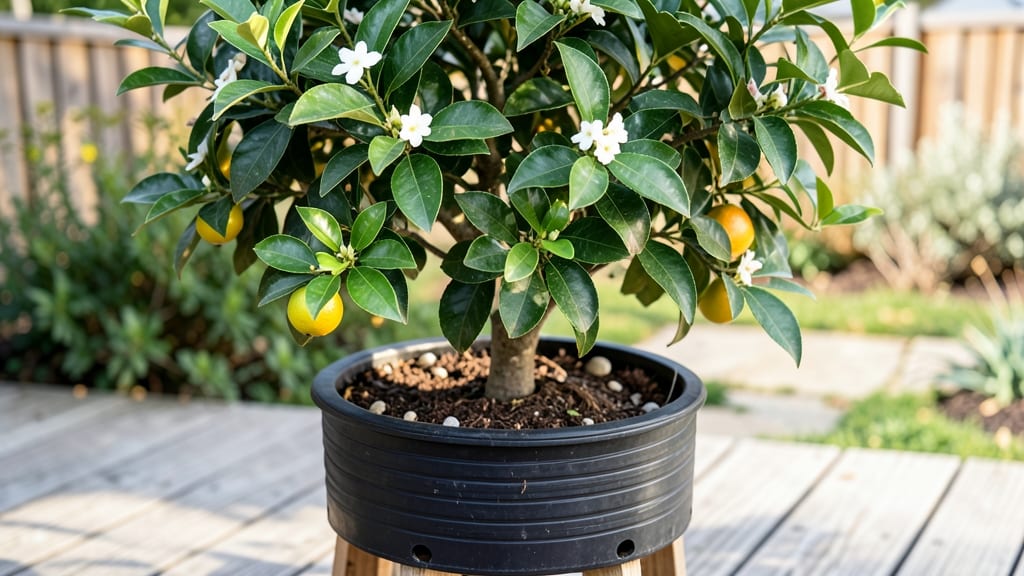
Turn old tires into thriving orange trees with this rustic upcycling trick—perfect for patios, balconies, or small yards where space is tight. 🌿 I’ve grown citrus in repurposed tires for years, and the mobility alone makes it worth the effort.
These planters transform something destined for the scrap heap into a productive, sun-loving home for your tree.
The secret lies in preparation and drainage—clean the tire thoroughly, drill holes for water escape, and line it with landscape fabric to prevent soil loss. Fill it with a fast-draining citrus mix (equal parts potting soil, perlite, and compost) to keep roots happy and avoid soggy roots.
A sunny spot with at least 6-8 hours of direct light is non-negotiable—citrus trees crave warmth like we crave coffee on cold mornings.
Once planted, your tire-grown orange tree will reward you with sweet, homegrown fruit in just a few years, plus the joy of moving it to follow the sun or protect it from frost.
The roots stay contained, making pruning and harvesting easier, and the tire’s sturdy walls hold up beautifully—no wobbly pots here. Just watch for aphids and keep the soil moist but not soggy.
This method works for lemons, limes, and dwarf varieties too, and the tire’s mobility means you can bring it indoors during winter if your climate gets chilly. Start with a 16-inch tire for dwarf varieties or a 24-inch for standard-sized trees—just don’t skimp on the drainage.
Your neighbors will be green with envy (and maybe a little jealous of that fresh-squeezed juice).
📚 In This Guide
- What you need
- Instructions
- Tips and common mistakes
- Wrapping up and next steps
What you need
- ● 1–3 used tires – Choose clean, dry tires (18–24 inches in diameter work best for dwarf citrus trees). Pro tip: 💡 Check local auto shops or scrap yards for free/cheap options!
- ● Citrus tree sapling – Dwarf varieties like Calamondin or Meyer lemon thrive in containers (3–5 gallons of soil per tire).
- ● Well-draining potting mix – A blend of 60% potting soil, 20% perlite, and 20% coarse sand (or pre-mixed citrus soil).
- ● Drainage solution – 4–6 small holes (drill or cut) + gravel or broken pottery shards (1–2 inches deep at the tire’s base).
- ○ Optional paint/sealant – Non-toxic, weather-resistant spray paint (e.g., Rust-Oleum) for a rustic or vibrant look.
- ● Drill or sturdy knife – For creating drainage holes (⚠️ Wear gloves!).
- ● Screwdriver or pry bar – To secure tires if stacking or mounting.
- ○ Paintbrush or roller – For decorating (optional).
- ● Garden gloves – To protect hands from sharp edges or soil.
- ● Watering can or hose – For post-planting hydration.
- ● Sunny spot – At least 6–8 hours of direct sunlight daily (citrus trees are sun-worshippers!).
- ● Access to water – Tire planters dry out faster; keep a watering schedule!
- ● Patience – Citrus trees take 1–3 years to bear fruit in containers.
How to create orange tree tire planters for small-space citrus gardens
Turn old tires into charming, functional planters that give citrus trees room to thrive in tight spaces.
🪴 Step 1: Gather and Prepare the Tires
Start with 4 used car tires—they need to be clean and free of cracks or sharp edges. I like to scrub them with soapy water and a stiff brush to remove any grease or debris. Let them dry completely before moving on. This ensures your citrus roots won’t come into contact with anything harmful.
If the tires have rust spots, sand them down lightly with coarse-grit sandpaper. Smooth edges prevent injury when handling and make the planters safer for kids or pets. You’ll want the tires to be in good shape so they last for years of growing.
💧 Step 2: Add Drainage and Soil Layers
Place a layer of broken pottery shards or gravel at the bottom of each tire—about 2 inches deep. This creates drainage and prevents root rot, which is especially critical for citrus trees that hate soggy roots. I use leftover pieces from old pots I’ve broken over the years.
Next, fill the tire three-quarters full with a mix of equal parts potting soil and compost. Citrus trees love well-draining soil, so avoid garden soil—it compacts too easily. Mix in a handful of slow-release citrus fertilizer into the bottom layer to give your tree a nutrient boost right from the start.
☀️ Step 3: Plant the Citrus Tree
Dig a hole in the center of the tire twice as wide as the tree’s root ball. Gently remove the citrus tree from its nursery pot and loosen the roots if they’re circling. Place the tree in the hole so the top of the root ball sits just below the tire’s rim. This ensures proper water drainage without burying the trunk too deep.
Backfill the hole with the remaining soil mix, pressing lightly to eliminate air pockets. Water the tree deeply until water runs out the drainage layer—this helps settle the soil around the roots. Avoid overwatering at this stage; citrus trees are drought-tolerant once established.
🌿 Step 4: Position for Sunlight and Protection
Place your tire planters in a spot that gets full sun—at least 6-8 hours daily. Citrus trees thrive in warmth, so a south- or west-facing location is ideal. If you’re in a cooler climate, group the tires together to create a microclimate that retains heat.
For extra protection, wrap the tires in burlap or frost cloth during cold snaps. I’ve found that even small citrus trees benefit from a little insulation when temperatures dip below 40°F. Water the trees every 7-10 days, checking the soil moisture—citrus trees prefer to dry out slightly between waterings.
⏰ Step 5: Maintain and Monitor Growth
Fertilize your citrus trees every 2-3 months with a balanced citrus fertilizer to keep them healthy. I like to use a liquid fertilizer diluted to half strength—this prevents overfeeding, which can burn roots. Watch for new growth, especially in spring and summer.
Prune any dead or yellowing leaves as needed, and harvest oranges when they turn deep orange and feel slightly soft to the touch. With proper care, your tire planters will produce fruit for years, turning upcycled materials into a productive garden feature.
Tips & tricks for perfect orange tree tire planters
Transforming tires into thriving citrus planters takes a few key strategies—here's how to avoid common pitfalls and maximize your small-space garden's potential.
Material Selection: Don't overlook the importance of tire condition in Step 1. I've found that tires with minor cracks can still work if you thoroughly seal them with waterproof caulk after cleaning. For extra durability, consider painting the exterior with non-toxic outdoor paint—it adds a decorative touch while protecting against UV damage. The 4 tires should be similar in size to maintain consistent watering needs and growth patterns.
Drainage Optimization: In Step 2, that 2-inch drainage layer is non-negotiable for citrus health. I've had success using a mix of gravel and broken terracotta pieces—terracotta breaks down over time but adds excellent aeration. For larger tires, you might need to increase this layer to 3 inches to prevent waterlogging, especially in rainy climates. The key is ensuring water can escape freely while still providing structural support.
Planting Technique: When creating that hole in Step 3, make it slightly deeper than twice the root ball width—about 2.5 times—to accommodate future root growth. The top of the root ball just below the rim is critical: this prevents water from pooling against the trunk. I've seen trees develop root rot when planted too shallow, so take your time with this step. After planting, give the soil a gentle press with your fingers rather than compacting it heavily.
Seasonal Adaptations: The 6-8 hours of sunlight requirement in Step 4 can be tricky in northern climates. If your location gets less sunlight, choose dwarf citrus varieties like 'Calamondin' or 'Meyer Lemon'—they thrive with 4-6 hours of direct sun. For winter protection below 40°F, I've found that moving planters to a sheltered location (like against a south-facing wall) with additional frost cloth works better than leaving them exposed. The 7-10 day watering schedule should be adjusted to every 5-7 days in hot summer months.
Pro Tips for Orange Tree Tire
- Transforming tires into thriving citrus planters takes a few key strategies—here's how to avoid common pitfalls and maximize your small-space garden's potential.
- Material Selection: Don't overlook the importance of tire condition in Step 1.
- Drainage Optimization: In Step 2, that 2-inch drainage layer is non-negotiable for citrus health.
Frequently asked questions
Got questions about repurposing old tires into stylish orange tree planters? You’re not alone! Here are some of the most common concerns—and practical solutions—to help you get started with confidence.
How do I choose the right tire for an orange tree?
Opt for a clean, sturdy tire with minimal cracks—sidewall tires (like those from SUVs or trucks) work best due to their depth. Avoid tires with embedded nails or sharp edges. A 15- to 20-inch diameter tire provides ample root space for young trees, while larger tires (22+ inches) can accommodate mature citrus over time.
What’s the best way to clean and prep a used tire for planting?
Start by scrubbing the tire with soapy water and a stiff brush to remove dirt and debris. Rinse thoroughly, then disinfect with a 1:10 bleach-water solution (let it sit for 10 minutes, then rinse again). For extra safety, sand rough edges or sharp rims to prevent injuries. Pro tip: Drill drainage holes in the bottom to prevent waterlogging!
When is the ideal time to plant an orange tree in a tire planter?
Spring or early fall is ideal—when temperatures are mild (60–80°F) and rain is less frequent. Avoid planting in extreme heat or frost-prone months. If you’re in a warm climate, you can plant year-round, but always acclimate young trees gradually to sunlight and water changes.
Can I use multiple tires for one orange tree, or should I stick to one?
For young trees, one tire is plenty! However, if your tree outgrows its container (after 3–5 years), you can stack a second tire on top as a "skirt" for extra soil volume. Just ensure the tires are securely fastened to prevent tipping. Warning: Avoid overcrowding—citrus trees need room to thrive.
What should I do if my orange tree’s leaves turn yellow or wilt?
Yellowing leaves often signal overwatering or poor drainage. Check the soil moisture—it should be damp but not soggy. If drainage holes are clogged, clean them out. Wilting could also mean underwatering or root-bound conditions. Repot if roots circle the tire’s base, or adjust your watering schedule (citrus prefers consistency over excess).
Wrapping up and next steps
Transforming an old tire into an orange tree tire planter isn’t just creative—it’s a rewarding way to grow your own citrus in small spaces! With just a few tools and a little patience, you’ll have a charming, functional planter that adds rustic flair to your garden. 🌱✨
Ready to take the next step? Start by gathering your supplies, then dive into the project with confidence. Whether you’re a seasoned gardener or a beginner, this upcycling adventure is the perfect way to bring a touch of sunshine—and zesty citrus—to your outdoor space. Happy planting!