
Container Gardens
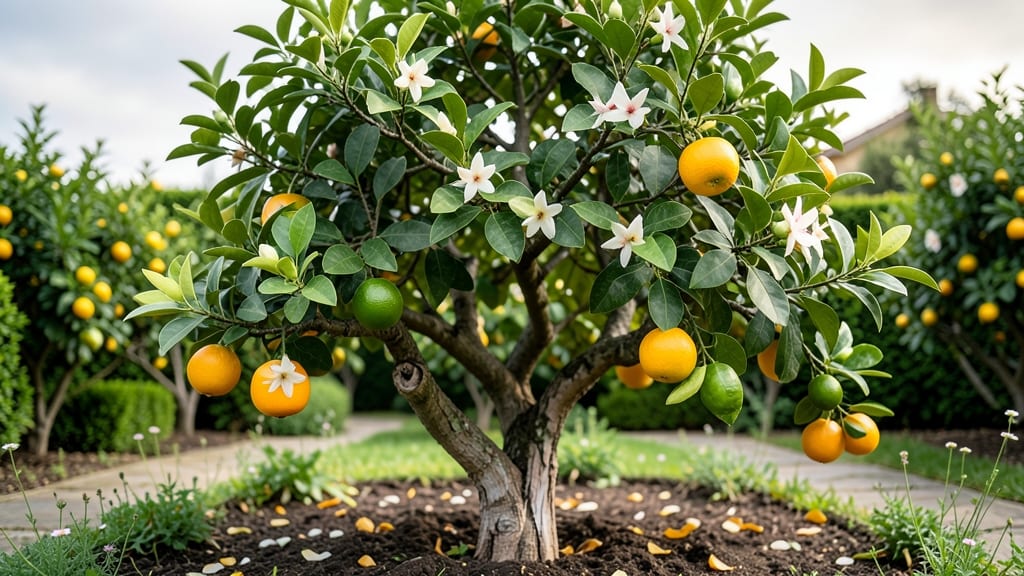
The orange tree growing season starts when nights stay above 40°F—no frost, no problem. 🌿 I learned this the hard way when my first tree lost its leaves overnight.
The key is matching your planting time to your climate: tropical zones can grow year-round, while colder areas need to wait until spring's last frost. Soil prep is just as critical as timing. Orange trees crave well-draining, slightly acidic soil (pH 6.0-7.0) mixed with compost.
I add a handful of citrus-specific fertilizer at planting, then again in early summer. The roots need room to spread, so containers should be at least 15 gallons—smaller pots stunt growth.
Once planted, watch for three key milestones: spring flowering (tiny white blossoms), summer fruit set (tiny oranges forming), and fall harvest (when fruit turns deep orange). Prune lightly after harvest to shape the tree and encourage next year’s growth. Patience pays off—full harvests take 3-5 years for container-grown trees.
For subtropical zones, protect young trees with frost cloth in winter. In tropical areas, shade cloth helps during scorching afternoons. The secret? Consistent care and understanding your tree’s natural rhythm—just like the seasons themselves.
📚 In This Guide
- What you need
- Instructions
- Tips and common mistakes
- Wrapping up and next steps
What you need
- ● Citrus Tree: A dwarf or semi-dwarf orange tree variety (e.g., Calamondin or Meyer Lemon-Orange) for containers. Choose a 1-3 gallon potted sapling.
- ● Container: A large pot (at least 15-20 gallons) with drainage holes. Opt for fabric grow bags or ceramic pots for durability.
- ● Well-Draining Soil: A mix of 50% citrus-specific potting soil, 30% perlite or pumice, and 20% compost (avoid garden soil—it compacts!).
- ● Fertilizer: A balanced citrus fertilizer (6-6-6 or 8-3-6 NPK ratio) or slow-release granules. Organic options like fish emulsion or citrus-specific compost tea work too!
- ● Mulch: Wood chips or pine bark (2-3 inches thick) to retain moisture and regulate soil temp.
- ● Pruning Shears: Sharp, sterilized shears for trimming dead branches (size: 4-6 inches).
- ● Watering Can or Hose: With a gentle spray nozzle to avoid disturbing roots.
- ● pH Test Kit: To monitor soil pH (ideal range: 6.0–7.0).
- ○ Support Stake (Optional): For young trees in windy areas (bamboo or metal stakes).
- ○ Shade Cloth (Optional): 30-50% coverage for young trees during intense orange tree growing season heat.
Step-by-step guide to mastering your orange tree’s growing season
Here’s how to transform your citrus tree into a fruit-bearing powerhouse—season by season.
☀️ Step 1: Position for Year-Round Sunlight
Orange trees thrive on full sun—at least 8 hours daily—but they also need protection from harsh afternoon rays in hot climates. I place mine against a south-facing wall where they get morning sun and gentle afternoon shade. In containers, rotate the pot quarter-turn weekly so growth stays even.
Watch for leaf scorch (brown edges) in summer—this means too much direct sun. If your tree’s leaves start curling or yellowing, move it to a spot with dappled shade for a few hours. Mature trees can handle more heat, but young trees need gradual acclimation.
💧 Step 2: Water Deeply and Strategically
Watering citrus is an art—deep but infrequent is the key. I water my tree once a week in summer, letting 2 gallons soak into the soil until it drains from the bottom. In winter, I cut back to every 2-3 weeks, checking if the top 2 inches of soil feel dry before watering.
Overwatering is the silent killer of orange trees. You’ll know you’re doing it right when the soil feels moist but not soggy and the pot’s drainage holes release excess water within 10 minutes. Yellowing leaves or root rot are red flags—adjust immediately.
🌱 Step 3: Feed for Fruitful Growth
Citrus trees need nutrient-rich soil to produce sweet fruit. In early spring, I spread 1 cup of 6-6-6 fertilizer (or citrus-specific blend) around the drip line and water it in. Repeat in mid-summer for a second boost. Organic options like composted manure or fish emulsion work too—just dilute to half-strength.
Watch for new leaf flushes after fertilizing—that’s your signal the tree is absorbing nutrients. If growth slows or leaves turn pale, it’s time for another feeding. Avoid high-nitrogen fertilizers in late summer, or you’ll get leafy growth instead of fruit.
✂️ Step 4: Prune for Shape and Health
Pruning citrus isn’t just about looks—it’s about airflow and fruit quality. I trim dead, crossing, or inward-growing branches in late winter or early spring, cutting just above a leaf node. Remove any suckers (shoots at the base) to direct energy to fruit production.
You’ll see thicker canopies and fewer crowded branches after pruning. Avoid heavy cuts in summer—this stresses the tree when it’s already working hard to ripen fruit. If you notice dark, mushy wood, prune those areas immediately to prevent disease spread.
⏰ Step 5: Protect Through Seasonal Shifts
Citrus trees hate cold snaps. In fall, I move potted trees indoors (or wrap them in burlap) if temperatures dip below 40°F. For in-ground trees, mulch heavily with 3-4 inches of straw to insulate roots. In spring, gradually reintroduce sunlight over 2 weeks to avoid shock.
Watch for bud swell in late winter—that’s when flowers form. If your tree drops buds unexpectedly, it’s often due to temperature swings or drought stress. Keep soil consistently moist during this critical phase, and you’ll see white blossoms leading to fruit by summer.
Tips & tricks for perfect orange tree care
Real talk: Growing a thriving orange tree isn't just about following steps—it's about understanding the little details that make all the difference.
Sunlight Strategy: That 8 hours of full sun requirement is non-negotiable, but here's what nobody tells you: In hot climates, the afternoon sun (2 PM onward) can scorch leaves even with 8 hours total. I solved this by positioning my tree against a west-facing wall with 30% shade cloth draped overhead during peak heat hours. This gives the perfect balance of light without the leaf burn. For container trees, that weekly quarter-turn rotation isn't just about even growth—it's also a way to expose all sides to morning sun while protecting them from afternoon intensity.
Watering Wisdom: The 2 gallons per week in summer might seem like a lot, but here's the trick: Water slowly until you see drainage from the bottom. This ensures the water penetrates 12-18 inches deep, which is where those feeder roots are actually growing. I use a soaker hose set to low flow for 20 minutes to achieve this without flooding. That 10-minute drainage check is your quality control—if water pools after 10 minutes, you're overwatering.
Fertilizer Timing: That 1 cup of 6-6-6 fertilizer in early spring and mid-summer is spot-on, but here's my secret: I pre-moisten the soil before applying, then water it in again immediately after. This prevents fertilizer burn while ensuring maximum nutrient uptake. For organic options, I've found fish emulsion works better than composted manure for citrus—it has a more balanced NPK ratio that mimics natural soil conditions. And that new leaf flush you're watching for? It should happen within 7-10 days after fertilizing.
Pruning Precision: When you're cutting those dead or crossing branches in late winter, here's what I look for: Branch collars—that swollen area where the branch meets the trunk. Always cut just above this collar, never flush with the trunk. I use sterilized pruning shears (wiped with rubbing alcohol between cuts) to prevent disease spread. That dark, mushy wood you should avoid? It's often a sign of citrus bacterial canker—prune it out immediately and dispose of it in the trash, not compost.
Pro Tips for Orange Tree Growing Season
- Real talk: Growing a thriving orange tree isn't just about following steps—it's about understanding the little details that make all the difference.
- Sunlight Strategy: That 8 hours of full sun requirement is non-negotiable, but here's what nobody tells you: In hot climates, the afternoon sun (2 PM onward) can scorch leaves even with 8 hours total.
- Watering Wisdom: The 2 gallons per week in summer might seem like a lot, but here's the trick: Water slowly until you see drainage from the bottom.
Frequently asked questions
Got questions about growing oranges in containers? You’re not alone! Here are answers to the most common queries about the orange tree growing season—from timing to troubleshooting.
When is the best time to plant an orange tree in a container?
Plant your orange tree in early spring (after the last frost) or late summer (before fall temperatures drop). This gives roots time to establish before extreme heat or cold. For container growing, avoid planting in winter—orange trees are sensitive to frost and need consistent warmth.
How long does it take for a container-grown orange tree to bear fruit?
Patience is key! Dwarf varieties (like Calamondin or Meyer lemon-orange hybrids) may produce fruit in 3–5 years, while standard sizes can take 5–10 years. Ensure full sun (6+ hours/day), well-draining soil, and regular watering to speed up the process. Pro tip: Fertilize with citrus-specific nutrients in early spring to boost growth!
Can I grow oranges indoors year-round, or do they need outdoor seasons?
While orange trees thrive outdoors in warm climates, they can grow indoors with bright, indirect light (south-facing windows or grow lights). However, they’ll need a dormant period (cooler temps, less water) in winter to mimic natural seasons. For containers, move them outside in spring/summer for pollination and stronger fruit production.
Why aren’t my orange tree’s leaves turning yellow, and what can I fix?
Yellow leaves often signal overwatering, nutrient deficiency, or pests. Check soil moisture (it should be slightly dry between waterings) and adjust your watering schedule. Feed with a citrus fertilizer every 2–3 months, and inspect for aphids or spider mites. Quick fix: Prune yellowed leaves and repot if roots are crowded!
What’s the easiest orange tree variety for beginners in containers?
Start with dwarf varieties like Meyer lemon (sweet, cold-hardy) or Calamondin (small, fragrant). These thrive in 15–25 gallon pots, tolerate indoor conditions, and produce fruit faster than standard trees. Avoid sour orange (bitter fruit) unless you’re growing for grafting!
How do I protect my container orange tree in winter?
Move potted trees to a sunny, sheltered spot (like a garage with natural light) or wrap them in burlap for frost protection. Reduce watering and stop fertilizing until spring. If temps drop below 20°F (-6°C), use a heating mat or indoor grow lights to keep them alive. Remember: Even dwarf trees need a cool but frost-free winter!
Wrapping up and next steps
Growing an orange tree in containers is totally doable—just remember the sunlight, soil, and patience trio! With the right care during its growing season, you’ll soon enjoy sweet, homegrown fruit. Whether you’re a beginner or a seasoned gardener, every step brings you closer to that first harvest.
Ready to take the next step? Start small—pick a healthy sapling, prep your pot, and give it the love it deserves. Before you know it, you’ll be sipping fresh-squeezed orange juice straight from your own backyard! 🍊✨