
Trees
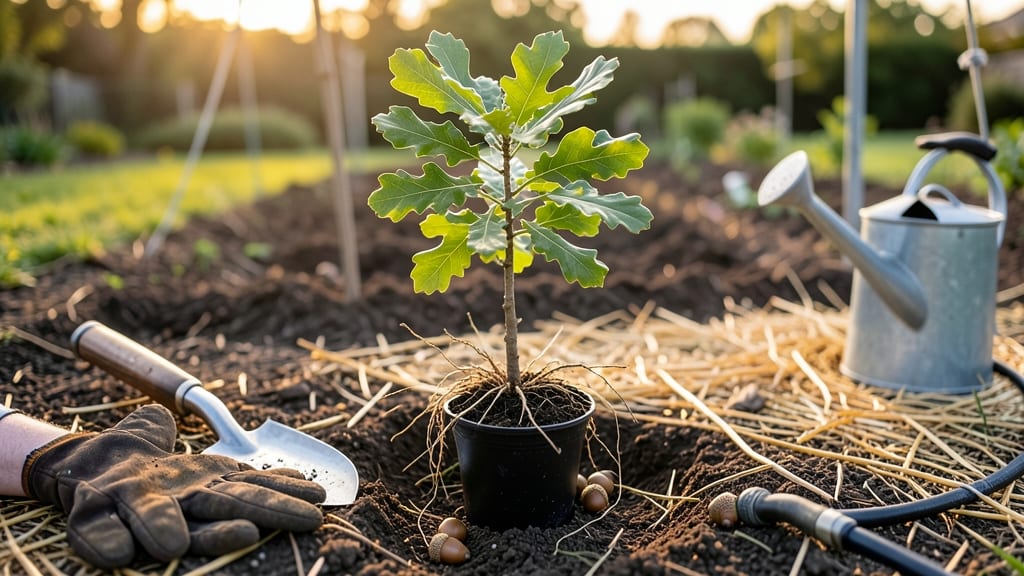
Growing oak tree starts from seed to a sturdy sapling in just six months is a rewarding challenge that starts with the right seedling. 🌱 I’ve nurtured red and white oak starts in my own yard, and the key to success lies in selecting vigorous young trees with strong root systems—those are the ones that’ll outpace their peers and establish quickly.
The soil needs to be loose and well-draining, mixed with compost to give those young roots the nutrients they crave. Plant in a spot with full sun exposure, where the sapling can grow tall and strong without competing with nearby plants.
Water deeply once a week during the first year, letting the soil dry slightly between waterings to prevent root rot.
By summer’s end, your oak tree starts will be reaching for the sky, with leaves that shade the ground below. The trick is patience—these trees grow slowly, but with the right care, you’ll have a thriving sapling ready to transplant into its permanent home.
Red oaks and white oaks both respond well to this method, though white oaks tend to establish slightly faster.
This method works best in zones 4-9, where oak trees thrive naturally. If you’re in a colder climate, start your saplings indoors under grow lights until the last frost. The payoff? A future shade tree that’ll outlive you and your grandchildren.
📚 In This Guide
- What you need
- Instructions
- Tips and common mistakes
- Wrapping up and next steps
What you need
- ● Acorns (10–20): Fresh, mature acorns from a healthy oak tree (preferably white oak or red oak for best results). Ensure they’re not from treated wood or painted surfaces.
- ● Planting pots (3–5): 4–6 inch diameter pots with drainage holes (biodegradable pots are a great eco-friendly option!).
- ● Potting soil (1–2 bags): Well-draining, sandy loam mix or a blend of 60% potting soil and 40% perlite/sand.
- ● Grow lights or sunny windowsill: A south-facing window or a grow light (12–16 hours of light daily for optimal growth).
- ● Spray bottle: For gentle watering during germination.
- ○ Fertilizer (optional): A balanced, slow-release fertilizer (5-10-5 or similar) for young saplings.
- ● Mulch (organic): Shredded bark or straw to retain moisture and regulate soil temperature.
- ● Pruning shears: Small, sharp shears for trimming saplings as they grow.
- ● Garden gloves: To protect your hands while handling soil and tools.
- ● Patience: Oak trees grow slowly—expect your sapling to take 6+ months to establish roots before transplanting outdoors.
- ● Outdoor space: A sunny location (6+ hours of sunlight daily) with well-draining soil for transplanting.
- ● Climate awareness: Plant outdoors only after the last frost (spring or early summer) to avoid cold damage.
- ● Water source: A hose with a gentle spray nozzle or a watering can for consistent moisture.
- ● Soil moisture meter to monitor root health.
- ● Epsom salt (for magnesium boosts if leaves appear yellow).
- ● Tree stakes and twine for support as saplings grow taller.
- ● Label tags to track planting dates and varieties.
Step-by-step instructions for growing oak tree starts
Here’s how to transform acorns into sturdy saplings ready for planting.
🌱 Step 1: Collect and Stratify Acorns
Gather mature acorns from healthy oak trees in late fall. Look for plump, intact nuts without cracks or holes. Store them in a sealed container with damp peat moss or sand—keep it moist but not soggy. Place the container in the refrigerator for 90-120 days to simulate winter. This cold treatment breaks dormancy, ensuring seeds germinate properly.
Check the acorns weekly. If they feel dry, mist lightly with water. The stratification process mimics nature’s timing, so don’t rush it. You’ll know it’s working when the acorns start to sprout tiny roots after about 3 months.
🪴 Step 2: Prepare Containers and Planting Medium
Use 4-inch deep pots or a seed tray with drainage holes. Fill them with a mix of 50% potting soil and 50% perlite or coarse sand for drainage. This lightweight blend prevents root rot while allowing oxygen to reach developing roots. Moisten the mix until it’s damp but not dripping.
Plant 2-3 acorns per pot, about 1 inch deep, with the pointed end facing upward. Press gently to ensure good soil contact. Label each pot with the date and oak species if known—white oaks and red oaks grow at different rates. Place the pots in a warm, shaded spot (65-75°F) until germination.
☀️ Step 3: Germinate and Care for Seedlings
Germination can take 4-12 weeks, depending on the oak species and stratification success. Keep the soil consistently moist—never soggy—by watering when the top inch feels dry. Use a spray bottle for gentle moisture to avoid disturbing the seeds. Once sprouts emerge, move pots to bright, indirect light to prevent leggy growth.
Thin seedlings to the strongest one per pot when they’re 2-3 inches tall. Use scissors to snip weak stems at the base. This reduces competition for nutrients. Fertilize lightly with a balanced, water-soluble fertilizer (10-10-10) at half strength once the first true leaves appear—this encourages steady growth without burning tender roots.
✂️ Step 4: Harden Off and Transplant Saplings
After 6 months, your oak starts should be 12-18 inches tall with a sturdy stem. Begin hardening them off by placing pots outside in partial shade for 2 hours daily, gradually increasing exposure over 2 weeks. This acclimates them to outdoor conditions and prevents shock when planted.
Choose a permanent spot with full sun and well-draining soil. Dig a hole twice as wide as the root ball but no deeper. Gently remove the sapling from its pot, loosen roots if tangled, and plant at the same depth it grew in the container. Water deeply to settle the soil and keep moisture consistent for the first 2 weeks post-transplant.
Tips & tricks for growing oak tree starts
Growing oak trees from acorns takes patience, but these simple tricks will help you avoid common mistakes and give your little saplings the best start.
Stratification Success: Don't skip the 90-120 day cold treatment—this mimics winter conditions and breaks dormancy. If you're short on time, you can extend stratification to 160 days for even better germination rates, but stick to the 3 months minimum. I've found that checking acorns weekly and keeping the peat moss or sand damp but not soggy makes all the difference.
Container Selection: While 4-inch deep pots work well, you can also use 6-inch pots if you're planting multiple acorns per container. Just remember to thin to the strongest seedling once they reach 2-3 inches tall. For better drainage, poke a few holes in the bottom of plastic containers before using them. I've had great success with recycled yogurt cups lined with coffee filters!
Lighting Strategy: Once your sprouts emerge, move them to bright, indirect light immediately to prevent leggy growth. A south-facing window works well, but if your home doesn't get enough natural light, consider a grow light placed 6-12 inches above the seedlings for 12-14 hours daily. I've seen seedlings stretch dramatically when kept in dim light—this is a clear sign they need more light.
Transplanting Timing: Wait until your saplings are 12-18 inches tall and have been hardened off for 2 weeks before transplanting. I recommend doing this in early spring when soil temperatures are warming up. If you transplant too early, the roots may struggle in cold soil. Also, make sure to plant at the same depth they grew in their pots—burying too deep can suffocate the stem.
Pro Tips for Oak Tree Starts
- Growing oak trees from acorns takes patience, but these simple tricks will help you avoid common mistakes and give your little saplings the best start.
- Stratification Success: Don't skip the 90-120 day cold treatment—this mimics winter conditions and breaks dormancy.
- Container Selection: While 4-inch deep pots work well, you can also use 6-inch pots if you're planting multiple acorns per container.
Frequently asked questions
Got questions about growing oak tree starts from scratch? You’re not alone—this process can feel tricky at first! Below, we’ve answered the most common questions to help you avoid pitfalls and set your saplings up for success.
How do I know if my acorn is viable before planting?
Not all acorns will sprout, so test viability first! Fill a jar with water, add acorns, and wait 24 hours. Sinkers are likely viable (plant them), while floaters are probably dead. Pro tip: Choose plump, intact acorns from mature oaks—they’re more likely to germinate!
Why isn’t my acorn sprouting after 6+ weeks?
Patience is key! Oak acorns can take 3–6 months to germinate, especially in cooler conditions. Keep them in a moist, warm (60–70°F) environment and check for mold (which means it’s time to replant or discard). If nothing happens after 6 months, try fresh acorns—they may have been too old.
Can I plant oak tree starts outdoors too early?
Timing matters! Wait until spring (after last frost) or early fall (before hard frosts) to transplant seedlings outdoors. Young oaks are frost-sensitive—if planted too soon, they may succumb to cold damage. Hardening off (gradually exposing them to outdoor temps) for 1–2 weeks first helps!
Are there cheaper alternatives to growing oaks from acorns?
Yes! If you’re short on time or patience, consider buying 1–2 year-old oak saplings from nurseries (often $20–$50 each). They’re more expensive upfront but skip the 6-month wait. Just ensure they’re local varieties for best climate adaptation.
What pests should I watch for in young oak starts?
Keep an eye out for acorn weevils (tiny beetles that lay eggs in acorns) and deer (they love nibbling saplings!). Use row covers or fencing for protection. For weevils, remove infested acorns immediately—healthy starts are your best defense!
| Quick Troubleshooting Guide | |
|---|---|
| Problem: Moldy acorns | Fix: Discard affected acorns; sterilize containers with hydrogen peroxide (3%). |
| Problem: Slow growth | Fix: Increase sunlight (6+ hours/day) and use a balanced fertilizer (like 10-10-10) every 2 months. |
| Problem: Yellowing leaves | Fix: Check for overwatering (oaks hate soggy roots) or nutrient deficiency (add compost). |
Wrapping up and next steps
Starting an oak tree from seed is a rewarding journey that blends patience with the joy of nurturing life! 🌱 While it takes six months to see your first sapling, remember that every tiny root and sprout is a step toward a future giant.
Whether you're a seasoned gardener or a curious beginner, your effort will leave a lasting legacy—both in your garden and for future generations.
Ready to take the next step? Plant your acorns this season and watch your green thumb grow stronger with each passing day. Share your progress with fellow plant enthusiasts, and don’t forget to tag us in your oak tree adventures! 🌳✨