
Flowers
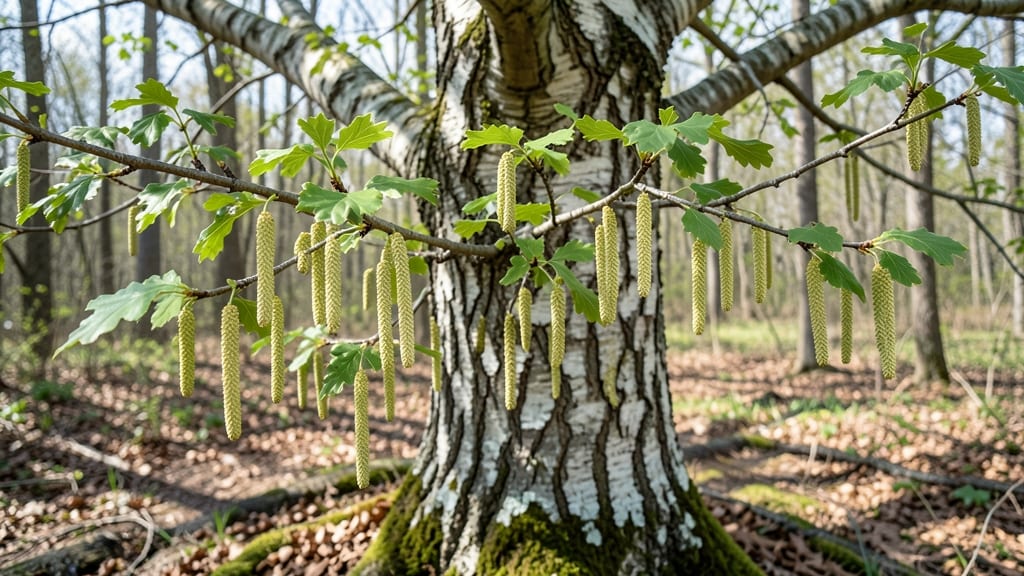
White oak trees don’t put on showy spring blooms like their maple neighbors, but those subtle catkins are doing something magical for your yard. 🌿 I’ve spent years watching oaks—some flowering, others silent—and the differences come down to age, health, and a little luck with pollinators.
The flowers might be tiny, but they’re the reason these trees produce acorns later in the year.
If your oak isn’t flowering, don’t panic—it might just be young or stressed. Mature trees (30+ years) are the most reliable bloomers, and healthy roots, proper sunlight, and good soil make all the difference.
The flowers themselves are wind-pollinated, so you won’t see bees swarming them like on fruit trees, but they’re still a critical food source for early-season pollinators.
You can’t force an oak to flower, but you can create ideal conditions: water deeply during droughts, avoid compacting the soil around the roots, and resist the urge to prune in late summer or fall.
A thriving oak will flower when it’s ready—and those catkins are a sign of strength, not weakness.
Here’s the good news: even non-flowering oaks still provide shade, wildlife habitat, and long-term value. Focus on keeping the tree healthy, and the rest will follow. For now, just enjoy watching those tiny spring blooms—because they’re working harder than you think.
📚 In This Guide
- What you need
- Instructions
- Tips and common mistakes
- Wrapping up and next steps
What you need
- ● White oak acorns or seeds: 5–10 high-quality, disease-free acorns (or seeds from a trusted nursery). Pro tip: 💡 Ensure they’re fresh (current year) for best germination!
- ● Well-draining soil: 1–2 cubic yards of a mix of loamy soil, compost (20–30%), and sand (10%) for optimal growth.
- ● Mulch: 2–3 inches of organic mulch (e.g., wood chips or pine straw) to retain moisture and suppress weeds.
- ● Watering can or hose: With a gentle spray nozzle for even moisture distribution.
- ● Garden trowel or shovel: For planting and soil preparation.
- ● Pruning shears: Sharp, sterilized shears for trimming (if needed).
- ● Gloves: Heavy-duty gardening gloves to protect your hands.
- ● Measuring tape or ruler: To ensure proper spacing (15–20 feet apart for mature trees).
- ○ Optional: Soil pH test kit (to ensure the soil is slightly acidic, pH 5.0–6.5).
- ● Tree stakes and ties (for young saplings in windy areas).
- ● Fertilizer (balanced, slow-release, like 10-10-10, applied sparingly).
- ● Sunlight: A full-sun location (6+ hours of direct sunlight daily).
- ● Space: Minimum of 15–20 feet in diameter for mature growth.
- ● Patience: White oaks grow slowly—expect 10+ years for full blooms and acorn production!
- ● Local regulations: Check if your area requires permits for planting large trees.
How to identify and care for white oak tree flowers
These delicate blooms appear before the leaves—here’s how to spot them and support their growth.
🌿 Step 1: Locate the Flowers on Young Trees
White oak flowers bloom in early spring, typically between March and April, before the leaves emerge. Look for them on trees that are 10-20 years old—younger specimens rarely flower. The blooms appear as small, yellow-green catkins hanging in clusters along the branches. They’re subtle, so scan the tree’s lower branches where sunlight filters through.
Here’s the thing—mature white oaks produce more flowers, but they’re often overlooked because the tree’s focus shifts to acorn production later in the season. If you see clusters of tiny, scaly buds swelling in late winter, mark the spot—they’ll open into flowers within 2-3 weeks. Avoid disturbing the area; even gentle pruning can remove potential bloom sites.
☀️ Step 2: Provide Ideal Growing Conditions
White oaks thrive in full sun to partial shade, but their flowers need at least 6 hours of direct sunlight daily to develop properly. If your tree is in a shaded area, consider thinning nearby branches or removing obstructions to improve light exposure. The soil should be well-draining but consistently moist, especially during the flowering period.
I’ve found that white oaks in urban settings often struggle with compacted soil. If the ground feels hard when pressed, amend it with 2-3 inches of organic mulch (like the 4 cubic feet of shredded bark you’ll use later) around the tree’s drip line. Keep mulch 6 inches away from the trunk to prevent rot. Water deeply once a week during dry spells, ensuring the soil stays moist but not soggy—saturated roots invite fungal issues.
🐝 Step 3: Support Pollinators During Bloom
The flowers may be small, but they’re a critical food source for early-season pollinators like bees and butterflies. To maximize their impact, avoid pesticides or herbicides near the tree during bloom. Instead, plant native pollinator-friendly ground covers (like 2 square feet of wildflower seeds) around the base to create a welcoming habitat.
Watch for bees and syrphid flies visiting the catkins—they’re a sign the flowers are thriving. If you notice fewer visitors, your tree might need more sunlight or water. A light misting in the morning can also encourage pollinators to linger. Real talk: even a single white oak can become a pollinator hotspot if cared for properly.
✂️ Step 4: Prune Strategically After Flowering
Once the flowers fade (usually by late April), it’s time to prune—but do it carefully. Remove only dead, diseased, or crossing branches, using sterilized pruning shears. Cut just outside the branch collar to avoid damaging the tree’s healing tissue. Never prune during the dormant season (winter), as this stresses the tree and reduces next year’s flower production.
I know it seems counterintuitive, but pruning right after flowering gives the tree energy to focus on acorn production while still allowing sunlight to reach next year’s buds. Thin the canopy by 10-15% at most to avoid over-stressing the tree. If you’re unsure which branches to trim, focus on those growing inward or rubbing against others—they’re the easiest to spot and remove.
🌱 Step 5: Monitor for Common Issues
White oak flowers are resilient, but they can suffer from oak wilt or anthracnose fungus if conditions aren’t right. Oak wilt appears as wilting leaves even when the tree is watered, while anthracnose causes dark, crinkled leaves in damp weather. If you see these signs, prune infected branches immediately and disinfect your tools with 70% isopropyl alcohol between cuts.
To prevent issues, ensure the tree has proper airflow and avoid overwatering. A healthy white oak will show vibrant green leaves by mid-summer and produce plentiful acorns by fall—a sure sign the flowers did their job. If your tree isn’t flowering after 20 years, it might need fertilization (use a balanced 10-10-10 formula sparingly in early spring).
Tips & tricks for perfect white oak tree flower care
Common pitfalls—and how to sidestep every one—when nurturing these delicate spring blooms.
Timing Secret: The 2-3 week window between spotting swollen buds and full bloom is critical. Mark your calendar when you first notice those tiny, scaly buds in late winter—this gives you a precise timeline to monitor for pollinators and adjust care. I always set a reminder to check the tree weekly during this period, as sudden cold snaps can delay flowering.
Sunlight Strategy: Those 6 hours of direct sunlight aren't just a suggestion—they're non-negotiable for proper flower development. If your tree is in partial shade, consider removing nearby branches that block light, especially on the south or west sides. I've seen trees in urban settings double their flower production after just one year of improved sunlight exposure.
Pollinator Perk: The native wildflower seeds you plant around the base (2 square feet) create a pollinator magnet. Choose varieties that bloom early in the season, like clover or violets, to complement the oak's timeline. Pro tip: A light morning misting encourages bees to visit—just enough to dampen the flowers slightly without soaking them.
Pruning Precision: When thinning the canopy by 10-15% after flowering, focus on branches growing inward first. These are the ones rubbing against others, which creates wounds that invite disease. I always make my cuts just outside the branch collar, using sharp, sterilized shears—this clean cut promotes faster healing and protects next year's buds.
Pro Tips for White Oak Tree Flowers
- Common pitfalls—and how to sidestep every one—when nurturing these delicate spring blooms.
- Timing Secret: The 2-3 week window between spotting swollen buds and full bloom is critical.
- Sunlight Strategy: Those 6 hours of direct sunlight aren't just a suggestion—they're non-negotiable for proper flower development.
Frequently asked questions
Got questions about white oak tree flowers? You’re not alone! Here are some of the most common queries—and their answers—to help you navigate this stunning (but often misunderstood) spring spectacle.
Do white oak trees actually have flowers?
Yes, but they’re tiny and easy to miss! White oaks (Quercus alba) produce small, greenish-yellow catkins in early spring (March–April). Unlike showy flowering trees, their blooms are subtle—focused on pollinators like bees and wind, not human admirers. Look closely at the tips of branches for clusters no bigger than a dime!
When is the best time to see white oak flowers?
Timing depends on your region, but white oak flowers typically bloom in late March to early May. In warmer climates (Zones 5–9), they may appear as early as February, while colder areas might see them in April. Check local pollen forecasts—peak bloom often aligns with oak pollen season, which can affect allergies.
Can I plant white oak trees just for their flowers?
Not ideal! While their flowers support pollinators, white oaks are prized for their sturdy wood, shade, and acorns. For dramatic spring blooms, consider alternatives like redbud (Cercis canadensis) or serviceberry (Amelanchier). White oaks are low-maintenance but slow-growing—perfect for long-term landscapes, not quick floral displays.
Are white oak flowers good for bees and butterflies?
Their catkins are a critical early-season food source for bees, wasps, and butterflies. Unlike some oaks, white oaks produce abundant pollen before leaves emerge, giving pollinators a head start. Plant them near native gardens to boost biodiversity—just avoid spraying pesticides during bloom season!
Why isn’t my white oak tree flowering?
Don’t panic—white oaks often take 15–20 years to mature and flower. Young trees may skip years due to stress (drought, poor soil, or transplant shock). Ensure it’s in full sun with well-draining soil and mulch annually. If the tree is healthy but still silent, it’s likely just biding its time!
Still curious? Drop your questions in the comments—we’re happy to help unravel the mysteries of these unsung spring stars!
Wrapping up and next steps
White oak tree flowers may not steal the spotlight like their showy counterparts, but their quiet charm brings essential beauty and ecological value to gardens and woodlands. These delicate blooms support pollinators, enrich soil, and offer a serene touch to landscapes—proving that even subtle elegance has a purpose.
If you’re inspired to cultivate or appreciate these trees, start by planting one in your yard or visiting a local arboretum to witness their magic firsthand. Nature’s small wonders are worth celebrating! 🌿✨