
Propagation
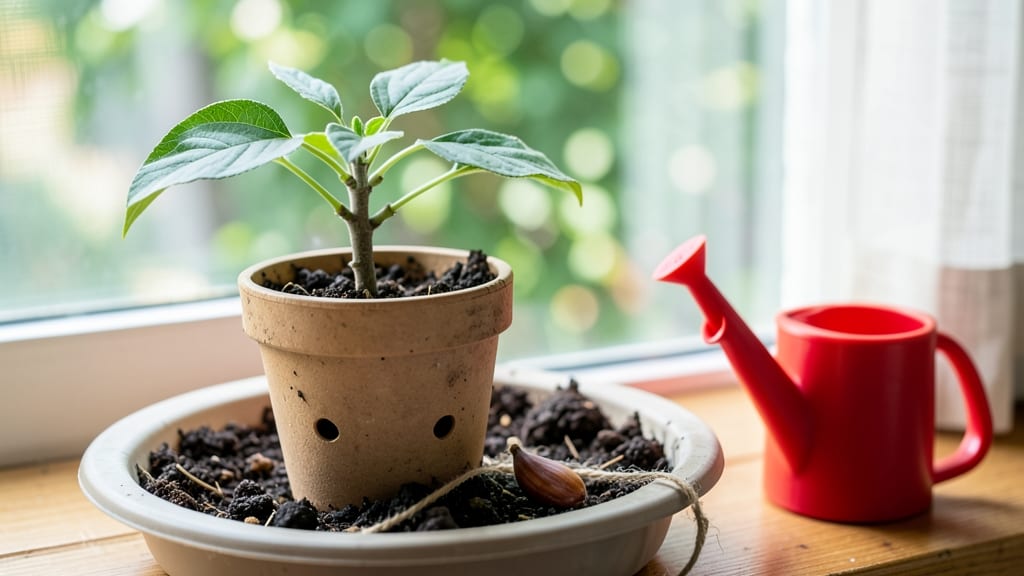
You can grow a persimmon tree from seed, but expect inconsistent results since the offspring may produce fruit with unpredictable quality, size, or ripening times. Achieving germination requires cold stratification, precise planting depth, and months of patience.
Starting a persimmon tree from seed is a rewarding challenge for patient gardeners.
Unlike grafted varieties, seed-grown trees develop unique traits that can yield unexpectedly large or small fruit—or even different flavors. 🌱 The key to success lies in replicating nature's conditions: seeds need a cold, moist period (stratification) to break dormancy, typically 60-90 days in the fridge or buried outdoors.
Once sprouted, seedlings demand consistent care—well-draining soil, full sun, and protection from pests—to survive their first vulnerable years.
While seed-grown persimmons may take 5-10 years to bear fruit, the journey offers a fascinating study in plant genetics. Many growers begin with seeds from store-bought fruit, but commercial varieties rarely reproduce true-to-type.
For guaranteed fruit quality, grafting remains the preferred method—but the adventure of nurturing a wild persimmon from scratch holds its own appeal for those willing to experiment.
💡 In This Article
- Understanding Persimmon Seed Stratification for Successful Germination
- Planting and Caring for Persimmon Seedlings: Key Steps for Survival
Understanding persimmon seed stratification for successful germination
Persimmon seeds enter a natural dormancy period that mimics winter conditions, requiring cold stratification to break their hard outer coat and trigger germination. This process mimics how seeds would survive in their native habitats—often buried under leaf litter or soil during cold months.
Without stratification, seeds may remain dormant for years or never sprout. The science involves two key factors: moisture (to soften the seed coat) and temperature (typically 34-40°F for 60-90 days). 🌱
There are two reliable stratification methods. The first involves placing seeds between damp paper towels in a sealed plastic bag, then refrigerating them. Check weekly—they should feel moist but not soggy.
The second method buries seeds 2 inches deep in a pot of moist potting mix outdoors during winter, where natural temperature fluctuations occur. Both methods work, but outdoor burial more closely replicates natural conditions. Seeds typically germinate within 4-12 weeks, though some may take months.
Temperature control is critical—too warm (above 50°F) accelerates mold growth, while too cold (below 32°F) halts metabolism. The ideal balance keeps seeds metabolically active without sprouting prematurely.
Once stratified, transfer seeds to 70-75°F conditions to encourage root development. This transition mimics spring's arrival, signaling the seed it's safe to grow. 🌱
Not all persimmon seeds germinate successfully—some varieties have 30-50% viability, while others may drop below 20%**. This variability explains why gardeners often plant multiple seeds.
The seeds' genetic diversity also means fruit quality is unpredictable: a seedling from a Fuyu persimmon might produce a tree bearing fruit with entirely different ripening characteristics or sweetness levels. Patience is key, as some seeds may remain dormant for 6-12 months before sprouting.
Once sprouted, seedlings enter a delicate phase where consistent moisture and warmth are essential. The first true leaves appear after 2-4 weeks of growth, signaling the seedling is ready for transplanting.
At this stage, the root system is still fragile, so handle seedlings gently to avoid damaging the taproot, which can stunt growth if injured. 🌱
For best results, use seeds from fully ripened fruit—unripe persimmons contain immature seeds that won't stratify properly. The seed's size (typically 1/2 inch long) and shape (pointed at one end) help identify viable specimens.
Larger seeds often correlate with higher germination rates, though exceptions exist. Store seeds in a cool, dry place until stratification begins to maintain viability.