
Trees
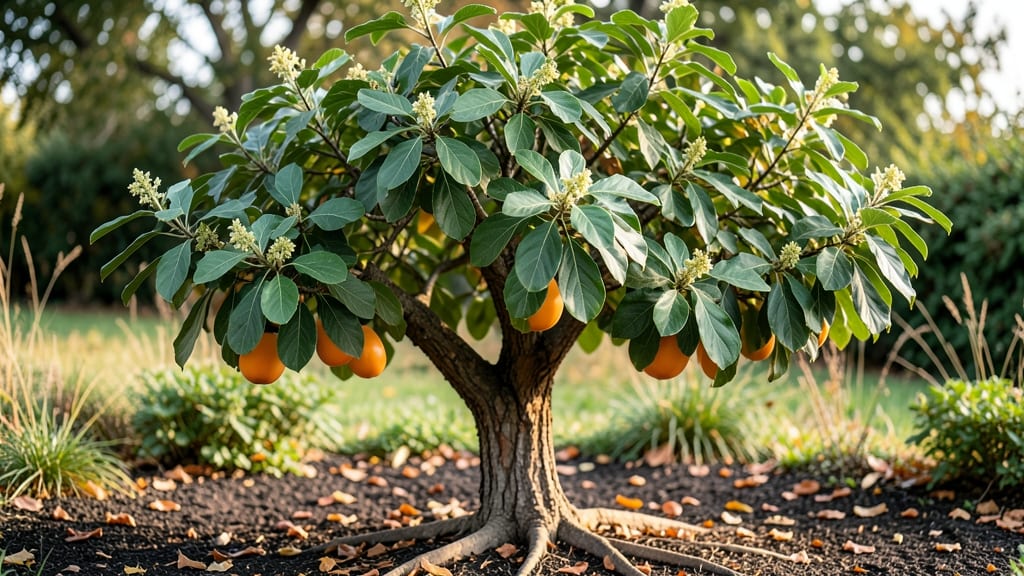
The vibrant, common persimmon tree leaves that stay lush all season start with the right pruning approach. 🌿 I’ve watched my persimmon’s canopy go from sparse and yellowing to dense and lush—just by adjusting when and how I prune. The key isn’t just cutting back; it’s understanding how the tree responds year-round.
Yellowing or spotted leaves often signal stress—whether from pests like aphids, fungal issues like powdery mildew, or simply overcrowded branches. Pruning at the right time (late winter or early spring) removes diseased wood and improves airflow, while light trimming in summer keeps the canopy healthy.
Organic sprays or neem oil can tackle pests before they take hold.
📚 In This Guide
- What you need
- Instructions
- Tips and common mistakes
- Wrapping up and next steps
What you need
- ● Pruning shears – Bypass-style (for clean cuts on small branches, ¼"–½" thick). Quantity: 1 pair.
- ● Loppers – Long-handled (for branches ½"–2" thick). Quantity: 1 pair.
- ● Pruning saw – Curved blade (for branches >2" thick). Quantity: 1.
- ● Rubbing alcohol (70%+) – For sterilizing tools between cuts. Quantity: Small bottle.
- ● Garden gloves – Cut-resistant (to protect hands from thorns/spines). Quantity: 1 pair.
- ● Heavy-duty trash bags – For debris disposal. Quantity: 2–3.
- ○ Pruning sealant – Optional but helpful for large cuts (>½") to prevent disease. Quantity: Small tube.
- ● Weather check – Prune on a dry, calm day (avoid rain/wind).
- ● Ladder or step stool – Sturdy, non-slip (if tree is >6 ft tall).
- ● Safety glasses – To shield eyes from debris.
- ● First-aid kit – Basic supplies (bandages, antiseptic wipes).
- ○ Tree map or diagram – Optional but useful for planning cuts (sketch branch layout beforehand).
Instructions for pruning persimmon trees to encourage healthy leaf growth
Here’s the straightforward approach I’ve used to keep my persimmon trees thriving with vibrant foliage year-round.
✂️ Step 1: Identify and Remove Dead or Diseased Branches
Start by inspecting the tree for any branches that are brown, brittle, or showing signs of disease like fungal spots or oozing sap. These are the first to go—they drain energy from the tree and can spread problems to healthy branches. Use clean, sharp pruning shears to make cuts just outside the branch collar, the swollen area where the branch meets the trunk. This ensures the wound heals properly and reduces the risk of infection.
I like to prune on a dry day when the tree isn’t stressed. If you notice any branches with holes or sawdust-like frass (a sign of borers), treat those areas with a copper-based fungicide after cutting. You’ll know you’ve done this step right when the tree looks cleaner and only green, healthy branches remain.
✂️ Step 2: Thin the Canopy to Improve Airflow and Light Penetration
Persimmon trees need good airflow to prevent fungal diseases and enough light to produce strong leaves. Focus on removing branches that cross or rub against each other—they create wounds and weak points. Aim to thin the canopy so light can reach the inner branches. You’ll want to remove about 10-20% of the tree’s total branches, depending on its size and density.
Look for branches growing straight up or down—they’re often weaker and compete with stronger lateral branches. Cut these back to a strong lateral branch or bud. After thinning, you should be able to see light filtering through the canopy when you stand beneath it. This step is all about balance—less is more when it comes to pruning persimmons.
☀️ Step 3: Prune for Structure and Encourage New Growth
Next, shape the tree by pruning to encourage a strong, open structure. Start by removing any "water sprouts"—those fast-growing, vertical shoots that pop up along the trunk or branches. These saplings steal energy from the tree. Cut them back to a lateral branch or bud, making sure your cut is just outside the branch collar.
For older branches, prune back to a strong lateral branch or a bud facing outward to promote an open, spreading canopy. This helps the tree develop a sturdy framework and prevents it from becoming top-heavy. You’ll notice new shoots emerging within a few weeks of pruning—these are your tree’s way of saying, "Thank you for giving me room to grow!"
⏰ Step 4: Time Your Pruning for Optimal Results
The best time to prune a persimmon tree is late winter or early spring, just before new growth begins. This gives the tree time to heal before the growing season kicks in. Avoid heavy pruning in fall, as it can stimulate new growth that won’t harden off before winter. If you must prune in summer, do it after the tree has finished fruiting to avoid stressing it during a critical growth period.
After pruning, keep an eye on the tree for any signs of stress, like wilting leaves or unusual discoloration. Water deeply if the weather turns dry, and avoid fertilizing right after pruning—let the tree focus on healing first. With the right timing and technique, your persimmon tree will reward you with a lush, healthy canopy all year long.
Tips & tricks for pruning persimmon trees
Here's what I've learned after years of shaping my own persimmon trees—simple secrets that make all the difference.
Tool Prep: Always sterilize your pruning shears with rubbing alcohol before and after each cut. I keep a small bottle in my tool belt for quick disinfection between branches. Clean tools prevent spreading disease from infected to healthy branches, and sharp blades make cleaner cuts that heal faster. This one step saved my first tree from fungal infection after I skipped it.
Seasonal Timing Secret: Late winter or early spring is ideal for pruning, but if you must prune in summer, wait until after fruiting. The instructions mention this, but here's why it matters: Summer pruning can stress the tree during its critical fruiting and growth period. I've seen trees struggle when pruned too early in summer—watch for wilting leaves or stunted new growth as warning signs.
Visual Pruning Guide: When thinning the canopy in Step 2, imagine standing under the tree and looking up. You should see light filtering through like sunlight dappling a forest floor. If you can't see light through the branches, you haven't thinned enough. I like to stand back and take photos before/after to track progress—it's amazing how much difference 10-20% thinning makes in just one session.
Healing Accelerator: After making larger cuts, apply a thin layer of tree wound pruning sealant to protect the exposed areas. I use a product with cinnamon oil—it's natural and helps prevent infection. This is especially important for cuts larger than 1/4 inch in diameter. The sealant creates a protective barrier while the tree's natural healing process takes over.
Pro Tips for Common Persimmon Tree Leaves
- Here's what I've learned after years of shaping my own persimmon trees—simple secrets that make all the difference.
- Tool Prep: Always sterilize your pruning shears with rubbing alcohol before and after each cut.
- Seasonal Timing Secret: Late winter or early spring is ideal for pruning, but if you must prune in summer, wait until after fruiting.
Frequently asked questions
Got questions about caring for your common persimmon tree leaves? You’re not alone! Here are some of the most common queries—plus quick, actionable answers to keep your tree thriving year-round.
When is the best time to prune common persimmon tree leaves?
The ideal time to prune is late winter or early spring (before new growth begins). This helps avoid stressing the tree during dormancy. For light maintenance, you can also prune in summer after fruiting, but avoid heavy cuts then. Pro tip: Never prune in fall—it can invite pests and diseases before winter!
Why are my persimmon tree leaves turning yellow or brown?
Yellowing leaves often signal overwatering, nutrient deficiency, or fungal issues. Brown edges or crispy leaves? Likely underwatering or drought stress. Check the soil moisture (top 2 inches should be dry) and inspect for pests like aphids or mites. If needed, fertilize with a balanced, slow-release formula in early spring.
Can I use common persimmon leaves for anything besides pruning?
Dried leaves make a natural mulch to retain soil moisture, while fresh leaves can be composted. Some gardeners even brew a leaf tea (steep in water) as a mild fungicide. Caution: Avoid using leaves from trees treated with pesticides—opt for organic care instead!
How do I encourage thicker foliage in my persimmon tree?
Prune to open the canopy (remove crossing or inward-growing branches) and thin out dense areas to improve airflow. Feed with phosphorus-rich fertilizer in spring to boost leaf growth. Bonus: Water deeply but infrequently—persimmons hate soggy roots but thrive with consistent moisture during dry spells.
Should I remove all dead leaves, or leave some for winter?
Remove most dead/diseased leaves to prevent pests, but leave a few healthy ones if your tree is young or in a cold climate. Dead leaves act as natural insulation in winter. Rule of thumb: If a leaf is crispy, moldy, or falling off, toss it—otherwise, let nature handle the rest!
Wrapping up and next steps
Pruning your common persimmon tree isn’t just about aesthetics—it’s a year-round commitment to healthier, lusher foliage and stronger fruit production. 🌿 By mastering the right tools, timing, and techniques, you’ll create an inviting canopy that thrives in every season.
Whether you’re trimming for shape, sunlight, or pest prevention, your efforts will pay off in vibrant leaves and bountiful harvests.
Ready to take the next step? Grab your pruners and schedule a quick check-in with your tree—just 30 minutes can make a world of difference! 🌱 For deeper insights, explore local arborist resources or join gardening forums to swap tips with fellow enthusiasts.