
Pruning
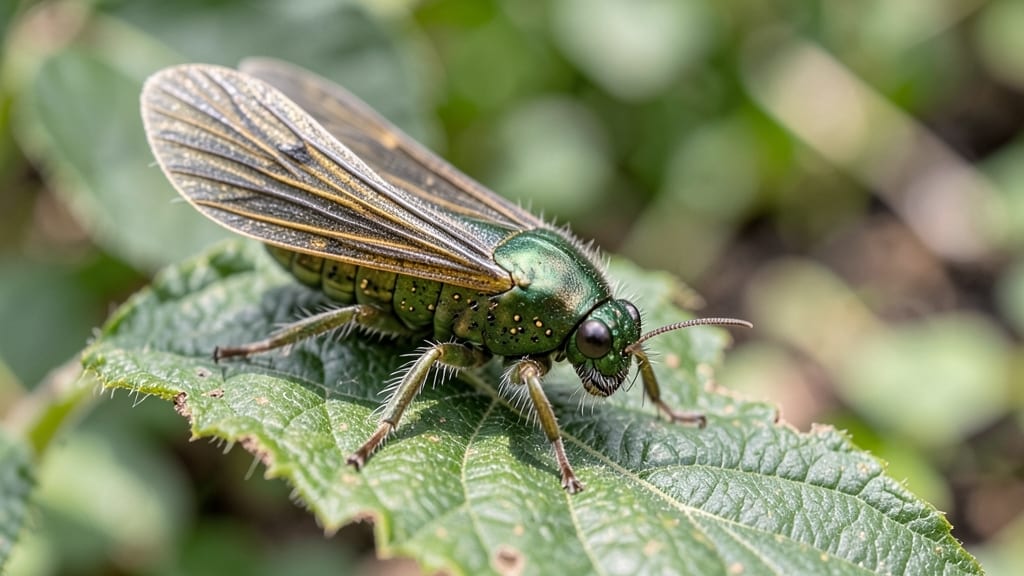
Mulberry trees turn into insect magnets when you least expect it—those tiny invaders can strip leaves faster than you can say "harvest." 🌿 I’ve watched mulberry silkworms, aphids, and spider mites turn vibrant foliage into skeleton branches, but there’s a way to fight back without harsh chemicals.
The key is catching the problem early, when the tree can still bounce back with the right care.
Most infestations start with subtle clues: sticky residue on leaves (aphids), fine webbing (spider mites), or chewed edges (silkworms). These pests thrive when the tree is stressed—whether from drought, overwatering, or poor soil.
My mulberry’s first major attack happened after a dry spell, and once I fixed the watering routine, the tree recovered faster than I expected. The real game-changer? Pruning out damaged leaves and encouraging beneficial insects like ladybugs to move in.
You’ll see results within 2-3 weeks of targeted action: fewer holes in leaves, new growth pushing through, and a tree that looks like it’s fighting back. The best part? These remedies work for mulberries of any size, from young saplings to mature shade trees.
No more helplessly watching your tree’s health decline—just practical steps to bring it back to full vitality.
Works for both urban and rural settings, and the methods scale from small backyard trees to larger landscape specimens. Let’s get your mulberry thriving again—naturally.
Root Causes Of Mulberry Tree Pests
Mulberry trees, with their lush foliage and sweet berries, can quickly become a buffet for hungry insects if left unchecked. Understanding why these pests target your tree is the first step in reclaiming its health.
Below, we break down the most common reasons mulberry trees attract insects—and how environmental and tree-specific factors play a role.
When mulberry trees are stressed, their natural defenses weaken, making them prime targets for insects. Stress can stem from several sources:
- Nutrient Deficiencies: Lack of essential nutrients like nitrogen, phosphorus, or potassium weakens the tree’s ability to produce protective compounds. Example: Yellowing leaves (chlorosis) often signal nitrogen deficiency, inviting pests like aphids and spider mites.
- Water Imbalance: Overwatering or drought stress disrupts the tree’s metabolic processes. Example: Root rot from poor drainage creates a damp, inviting environment for borers and bark beetles.
- Physical Damage: Pruning wounds, storm damage, or animal scratches create entry points for insects like the mulberry pyralid moth, which lays eggs in fresh cuts.
💡 Pro Tip: Conduct a soil test every 2–3 years to monitor nutrient levels. Mulch around the base to retain moisture and regulate temperature, reducing stress.
Mulberry trees produce fruit that ripens unevenly, creating a smorgasbord for insects. Here’s how overripe or damaged berries become a magnet:
- Sugar-Rich Attraction: Ripe mulberries are packed with sugars, drawing fruit flies, beetles, and wasps. Example: The spotted wing drosophila (a vinegar fly) thrives on fermenting fruit.
- Decaying Matter: Fallen or cracked berries ferment, emitting odors that attract scavengers like stink bugs and earwigs. Example: A single rotting cluster can trigger a 50% increase in pest activity within days.
- Bird Activity: Birds pecking at fruit create wounds that invite secondary infections (e.g., fungal growth), which in turn attract insects like the mulberry longhorn beetle.
🔥 Action Step: Prune and harvest overripe berries promptly. Use drop cloths under the tree to collect fallen fruit and dispose of it in sealed bins.
Insects thrive in specific microclimates, and mulberry trees often provide the perfect conditions. Key triggers include:
| Factor | How It Attracts Pests | Example Insects |
|---|---|---|
| High Humidity | Moisture-loving insects like scale insects and mealybugs multiply faster in damp air. | Scale insects, whiteflies |
| Warm Temperatures | Heat accelerates insect metabolism, increasing reproduction rates (e.g., aphids can double their population in 7 days at 80°F). | Aphids, spider mites |
| Sheltered Locations | Trees near fences, buildings, or dense foliage retain heat and moisture, creating pest hotspots. | Mulberry pyralid moths, bark beetles |
✨ Solution: Improve airflow with strategic pruning (remove crossing branches) and avoid overcrowding trees. Install fan-based pest deterrents in severe cases.
Some insects have evolved to specifically target mulberry trees because of their chemical composition. These pests rely on the tree for food or habitat:
- Leaf-Specific Feeders: Insects like the mulberry sawfly or Japanese beetle prefer mulberry leaves due to their high tannin content, which deters other herbivores.
- Root Symbiosis: Certain beetles (e.g., Otiorhynchus sulcatus) lay eggs in the soil, and their larvae feed on mulberry roots, weakening the tree over time.
- Pollinator Confusion: Some beneficial insects (e.g., bees) may accidentally introduce pests like Bactrocera dorsalis (oriental fruit fly) while foraging on mulberry flowers.
🎯 Long-Term Fix: Introduce beneficial nematodes or ladybugs to disrupt pest life cycles. Plant companion species like marigolds or basil to repel leaf-specific pests.
Natural Ways to Combat Tree Pests
If your mulberry tree is under siege by insects, don’t despair—there are effective, eco-friendly solutions to restore its health. Below, we’ve mapped out practical fixes based on common culprits, from leaf-munching caterpillars to sap-sucking pests.
Each remedy is designed to be gentle on the environment while tough on pests, with bonus prevention tips to keep your tree thriving long-term.
Signs: Chewed leaves, silk webbing, or frass (insect droppings) on foliage.
🔥 Manual Removal (Best for Small Infestations)
- Inspect daily 👀—Check leaves and branches for caterpillars, especially in early morning or evening when they’re sluggish.
- Drop them in soapy water 🚿—Fill a bucket with water and a few drops of dish soap (the soap breaks down their waxy coating). Pluck caterpillars off and submerge them.
- Vacuum them up 🪣—Use a handheld vacuum (like a shop vac) to suck up clusters of caterpillars.
Empty the vacuum into a sealed bag outside.
🍳 Organic Sprays (For Larger Infestations)
- Neem oil spray 🌿—Mix 1 tbsp neem oil + 1 tsp mild liquid soap + 1 quart water. Spray early morning or late evening (avoid direct sun).
Reapply every 5–7 days until pests disappear. - Bacillus thuringiensis (Bt) 🦠—A natural bacteria that targets caterpillars. Spritz leaves with Bt spray (follow package instructions). Safe for humans and pets but must be reapplied after rain.
🌡️ Prevention Tips
- Prune regularly ⏰—Remove heavily infested branches before caterpillars spread.
- Encourage natural predators 🐞—Ladybugs, lacewings, and birds love munching on caterpillars.
Plant dill, fennel, or marigolds nearby to attract them. - Apply diatomaceous earth ✨—Sprinkle food-grade DE lightly on leaves (it’s a fine powder that dehydrates insects). Reapply after rain.
Signs: Sticky residue (honeydew), yellowing leaves, or tiny webs on undersides.
👨🍳 DIY Sprays for Immediate Relief
- Soapy water blast 💦—Mix 1 tsp castile soap + 1 quart water in a spray bottle. Blast directly onto pests (they’ll detach from the leaves).
Repeat every 3–4 days. - Garlic & chili pepper spray 🌶️—Blend 4 garlic cloves + 1 tbsp cayenne pepper + 1 quart water. Strain, add 1 tsp soap, and spray.
The sulfur compounds repel pests. - Horticultural oil 🛢️—Use dormant oil (apply in early spring or fall when temps are below 85°F). Smothers eggs and adults without harming the tree.
🔪 Mechanical Controls
- Blast with water 💦—Use a hose nozzle to dislodge aphids and spider mites from leaves. Do this early in the morning for best results.
- Sticky traps 🕷️—Hang yellow sticky traps near the tree to catch flying adults (great for whiteflies and fungus gnats).
🎯 Long-Term Defense
- Introduce beneficial insects 🐝—Release ladybugs, lacewings, or parasitic wasps (available at garden centers).
They devour sap-suckers in days. - Keep the tree healthy 💪—Stressed trees attract more pests. Water deeply (1–2 inches per week) and fertilize with compost in early spring. - Avoid over-fertilizing 🚫—Too much nitrogen = soft, tasty leaves. Stick to balanced organic fertilizer.
Signs: Sawdust-like frass at the base of the tree, D-shaped exit holes, or wilting branches.
🔪 Pruning & Removal
- Cut out infested branches ⏰—Use sterilized pruners to remove any branch with holes or sawdust. Burn or bag the debris immediately (do not compost!).
- Seal wounds 🛡️—Apply pruning sealant (like Tanglefoot) to cuts to prevent new borers from entering.
🌿 Organic Treatments
- Beneficial nematodes 🐛—Soak infested soil with heterorhabditis bacteriophora nematodes (they seek out and kill larvae). Water deeply after application.
- Kaolin clay 🏺—Mix kaolin clay with water and spray on the trunk and branches. Creates a physical barrier that confuses and repels beetles.
💡 Prevention Strategies
- Inspect regularly 👀—Check the trunk and branches every 2–3 months for new holes.
- Encourage woodpeckers 🐦—They love eating borers! Install a woodpecker-friendly feeder nearby.
- Reduce tree stress 🌳—Mulch heavily (3–4 inches) and water deeply during droughts to keep the tree resilient.
No matter the pest, a healthy mulberry tree is your best defense. Follow these pro tips to keep invaders at bay:
| Action | How to Do It | When to Do It |
|---|---|---|
| Deep watering | Water slowly at the base (1–2 inches per week). | Spring through fall. |
| Mulching | Spread 3–4 inches of mulch (wood chips or straw) away from the trunk. | Early spring or fall. |
| Pruning for airflow | Remove crowded branches to improve circulation. | Late winter or early spring. |
| Compost tea | Brew compost tea and spray foliage to boost immunity. | Every 4–6 weeks in growing season. |
Final Pro Tip: 🌱 Rotate remedies—If one method stops working, pests may have built resistance. Combine manual removal, sprays, and natural predators for the best results!
By acting early and consistently, you’ll give your mulberry tree the fighting chance it deserves—without harsh chemicals. Happy gardening! 🌿🍃
Frequently asked questions
What are the most common insects that attack mulberry trees?
The top culprits include mulberry silkworms (which create silk webs), aphids (leaving sticky honeydew), spider mites (causing yellowing leaves), and borers (creating sawdust-like frass at the tree base). Japanese beetles and scale insects also frequently target mulberries.
How do I know if my mulberry tree has an insect problem?
Watch for these red flags: chewed leaf edges, webbing between branches, sticky residue on leaves (honeydew), tiny yellow spots (spider mites), or sawdust-like debris at the tree's base. Check both leaf undersides and trunk regularly—pests often hide there.
Are there any natural predators that can help control these insects?
Ladybugs, lacewings, parasitic wasps, and birds all eat mulberry pests. Plant companion flowers like marigolds or dill nearby to attract them. Release purchased beneficial insects in the early morning when temperatures are mild for best results.
Can I use chemical pesticides on my mulberry tree?
While chemical pesticides work, they harm beneficial insects and can contaminate fruit. For organic options, try neem oil, insecticidal soap, or horticultural oil first. If chemicals are necessary, use targeted sprays during early pest stages and avoid spraying when flowers are present.
How often should I inspect my mulberry tree for pests?
Check your tree every 2 weeks during growing season (spring-fall), and monthly in winter. Focus on new growth areas, leaf undersides, and the tree trunk. Early detection gives you the best chance to stop infestations before they spread.