
Pruning
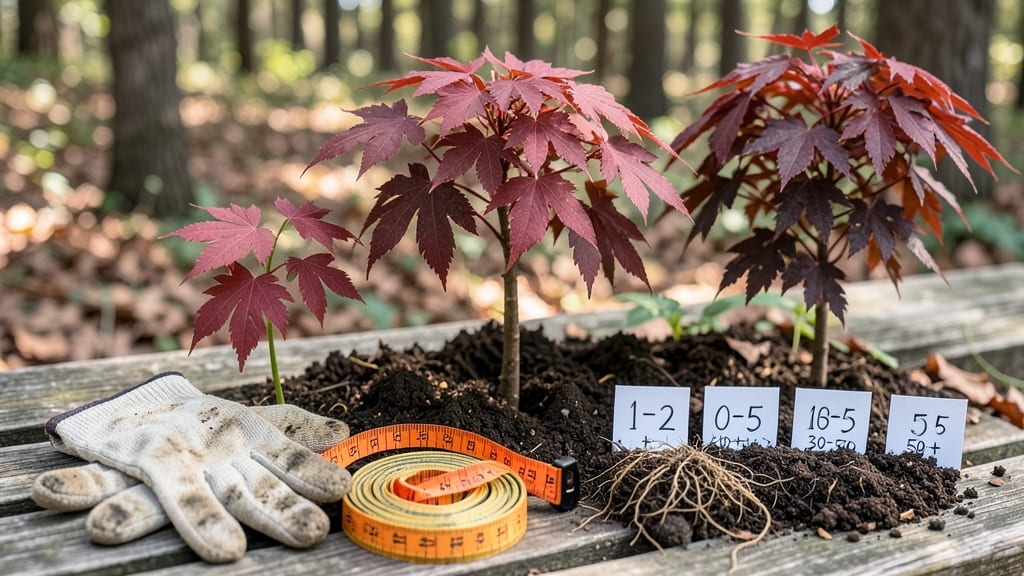
Understanding the maple tree growth stages 🌳 is like unlocking the secret to growing a living monument—one that starts as a fragile seed and becomes a towering giant in just 15 years.
Watching a maple tree grow from a tiny seedling to a majestic 100-foot giant is one of nature’s most breathtaking transformations—yet most gardeners miss the key stages that determine its health and beauty.
From the moment a seedling sprouts in USDA Zone 6, each year brings dramatic changes: the first delicate leaves, the rapid shoot growth, and the iconic canopy that defines maturity.
In this guide, I’ll walk you through every stage—what to expect, how to support growth, and the critical mistakes that can stunt your tree’s potential.


The first 5 years: maple seedling development and critical care
When you plant a maple seedling, you're starting a journey that spans decades—but the first five years are the most critical for establishing a strong foundation.
During this time, your young tree develops root systems, leaf structures, and growth habits that determine whether it will thrive or struggle. Understanding these stages helps you provide the right care at the right time.
Maple seedlings begin as tiny helicopter seeds that sprout in early spring, often within weeks of landing in moist, well-draining soil. The first year is all about root establishment, where the seedling focuses energy underground rather than above.
Without proper water and sunlight, these delicate roots can fail, leaving your tree vulnerable to drought or disease.
| Stage | Height | Key Features | Critical Care |
|---|---|---|---|
| Year 0 (Germination) | 0-2 inches | First leaves appear; roots spread 6-12 inches | Keep soil moist; protect from pests |
| Year 1 | 1-3 feet | First true leaves; shallow root system | Water deeply weekly; mulch heavily |
| Year 2-3 | 3-6 feet | Larger leaves; deeper root penetration | Fertilize lightly; prune dead branches |
| Year 4-5 | 6-10 feet | Mature leaf shape; strong trunk | Reduce watering; monitor for pests |
In Year 1, your maple seedling will grow 1-3 feet tall, but its roots will spread 2-3 times wider than its canopy. This is why mulching is essential—it protects roots from temperature swings and retains moisture.
Use 3-4 inches of organic mulch (like wood chips) and keep it 6 inches away from the trunk to prevent rot.
By Year 2, your tree enters a rapid growth phase, reaching 3-6 feet if conditions are ideal. This is when you'll notice the first true maple leaves, which are lobed and bright green.
During this stage, fertilization becomes important. Apply a balanced 10-10-10 fertilizer in early spring to support both root and shoot growth, but avoid over-fertilizing, which can burn delicate roots.
One of the biggest mistakes I see is over-pruning young maples. In their first five years, these trees develop their branch structure, and aggressive pruning can create weak attachment points.
Only remove dead or crossing branches—never more than 10-15% of the canopy in a single year. Use sterilized pruners to prevent disease transmission.
Sunlight needs change as your maple matures. Seedlings thrive in partial shade (30-50% sunlight), but by Year 3, they crave full sun (6+ hours daily). If your young tree is in deep shade, you'll notice smaller leaves and stunted growth.
Gradually acclimate it to more sunlight over 2-3 weeks to avoid leaf scorch.
Watering young maples is a balancing act. In their first year, they need deep watering every 3-5 days during dry spells, but by Year 4, you can reduce this to weekly deep soaks.
Always water at the base of the tree, not the leaves, to prevent fungal diseases like anthracnose. A drip irrigation system is ideal for consistent moisture without overwatering.
Pests like aphids and maple leaf beetles often target young seedlings. In early summer, inspect the undersides of leaves for sticky residue (honeydew) or chewed edges.
Use a hose spray to dislodge aphids or apply neem oil for beetles. Avoid chemical pesticides, which can harm beneficial insects and young roots.
By the end of Year 5, your maple should stand 6-10 feet tall with a trunk diameter of 1-2 inches. If cared for properly, it will enter its juvenile growth phase, where it begins developing the iconic canopy structure of mature maples.
The habits you establish now—watering, mulching, and pruning—will set the stage for decades of healthy growth.
🌳
Years 6-15: growth spurt phases and canopy formation secrets
Between years 6 and 15, your maple tree undergoes its most dramatic transformation—shooting upward and developing the iconic layered canopy that defines mature specimens. This is when branch whorls form, leaf size doubles, and the tree's structural framework solidifies.
Understanding these phases helps you nurture a healthier, more vibrant specimen with proper pruning timing and nutrient management.
During these critical years, maple trees typically gain 10-15 feet annually under ideal conditions, with some varieties like Red Maple reaching 40 feet by age 12. The canopy architecture begins taking shape as lateral branches develop at 45-degree angles, creating that classic layered look.
This phase also marks when leaf size stabilizes—juvenile leaves give way to the larger, more complex foliage gardeners admire.
- Year 6-8: Branch Whorl Formation
Growth Rate: 8-12 ft/year
Leaf Size: 3-5" wide (juvenile → mature transition)
- Year 9-12: Canopy Layering
Growth Rate: 6-10 ft/year
Leaf Size: 5-8" wide (full maturity)
- Year 13-15: Structural Maturity
Growth Rate: 4-8 ft/year (slowing for stability)
Canopy Shape: Fully layered with 60-70% coverage
Seasonal growth cycles become more pronounced during these years. In spring, new shoots emerge from bud scales along last year's branches, while summer focuses on leaf expansion and photosynthesis.
Autumn brings the most dramatic change—leaf color intensifies as chlorophyll breaks down, and sugar content rises in stems, preparing the tree for winter dormancy.
To support this growth, focus on deep root feeding every 2-3 years using compost or slow-release fertilizer. Avoid heavy pruning during these years—limit removals to dead or crossing branches (never more than 25% of the canopy).
Proper mulching (3-4 inches of organic material) helps regulate soil temperature and retain moisture during dry spells.
Watch for growth rings in cross-sections of fallen branches—they reveal annual cycles of fast spring growth (light-colored wood) and slow summer growth (darker wood). These rings also indicate how well your tree adapted to each season's conditions, with wider rings signaling optimal growth years.
By year 15, your maple's canopy should cover 70-80% of its potential spread, with the trunk diameter reaching 6-12 inches. This is when the tree's structural integrity becomes its defining feature—ready to support decades of future growth. The secret? Patience and minimal intervention during these formative years.