
Pruning
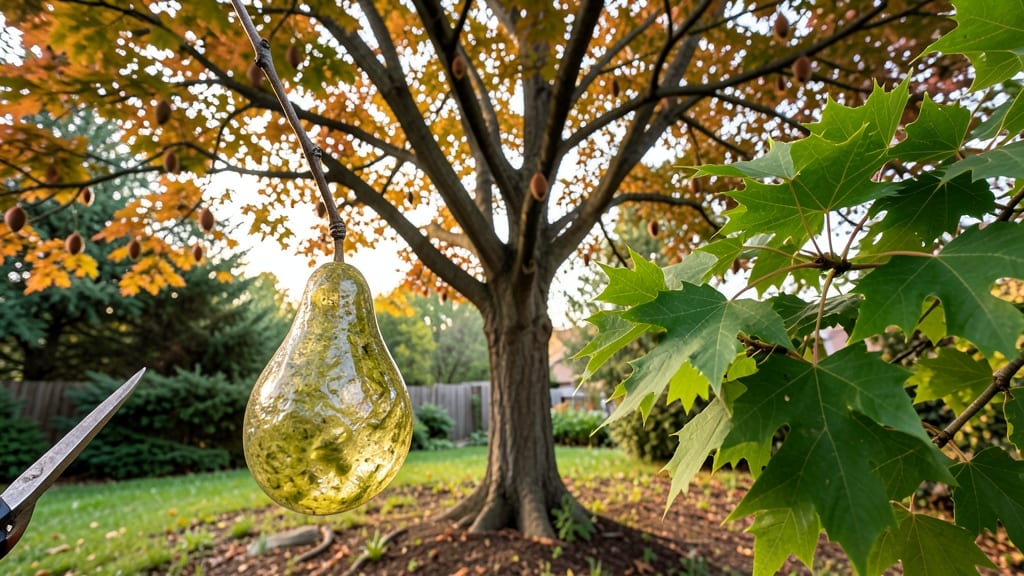
Those weird, blister-like bumps on your maple tree—the bladder galls—aren’t as harmless as they look. 🌳 I’ve seen them turn entire branches into a puckered mess, but the good news is you can manage them without harsh chemicals.
These galls happen when mites trick your tree into growing protective tissue around their eggs, creating those unsightly (but usually harmless) growths.
The mites responsible—like Callirhipis cardui—aren’t tree-killers, but a heavy infestation can stress your maple over time. The galls themselves won’t spread to other trees, but if left unchecked, they can weaken leaves and reduce photosynthesis.
That’s why early action matters, especially if your tree is already struggling with drought or disease.
You can prune heavily infested branches in late winter or early spring to reduce the gall population, and natural predators like ladybugs often keep mites in check. For stubborn cases, horticultural oil in early spring (before buds swell) can smother the mites without harming the tree.
Just avoid spraying when temps are below 40°F—that’s when oils can damage tender new growth.
The key is patience and observation. Most maples bounce back with minimal intervention, and the galls rarely return once you break the mite cycle. Think of it as a reminder to give your tree a little extra care—especially during dry spells when stress makes it more vulnerable.
Your maple will thank you with stronger leaves and fewer unsightly bumps next season.
The Tiny Parasites Behind Tree Bumps
Bladder galls on maple trees aren’t just oddities—they’re a fascinating (if frustrating) result of a biological arms race between plants and insects. These swollen, bubble-like growths form when specific gall wasps (like Callirhytis cornigera) lay their eggs in the tree’s bark.
The tree’s immune system reacts by producing extra plant tissue around the eggs, creating the gall as a protective barrier.
Think of it like your body forming a cyst around a splinter—except in this case, the "splinter" is a wasp larva, and the "cyst" is a gall filled with nutrients to feed the developing insect. Here’s why it happens, broken down by the key culprits:
Gall wasps are the primary architects of bladder galls. These tiny, often 1-2mm-long insects belong to the family Cynipidae and have evolved a remarkable strategy: they trick maple trees into nurturing their offspring. Here’s how it works:
- Egg-laying precision: Female wasps use their ovipositor (a needle-like organ) to inject eggs into the tree’s bark, often near buds or leaf stems. The tree detects the egg as a foreign invader and responds by producing abnormal growth to contain it.
- Chemical manipulation: Some gall wasps inject saliva containing plant growth regulators (like auxins and cytokinins) that force the tree to divide cells rapidly. This creates the gall’s characteristic bladder-like shape.
- Seasonal timing: Wasps time their attacks to coincide with the tree’s active growth phase (spring to early summer), when the tree is most vulnerable to manipulation.
Pro tip: 🌡️ If you spot galls in late spring or early summer, the wasps are likely already at work—removing them before they harden can reduce next year’s infestation.
While gall wasps are the direct cause, stressed maple trees are far more likely to develop galls. Weakened trees have compromised defenses, making them easier targets. Common stress factors include:
| Stress Factor | How It Helps Galls Form |
|---|---|
| 💧 Drought | Water stress slows the tree’s ability to heal wounds, giving wasps an easier entry point. |
| ✂️ Poor Pruning | Over-pruning or improper cuts expose the tree to pests and reduce its energy for defense. |
| 🌡️ Extreme Temperatures | Frost damage or heatwaves weaken the bark, making it easier for wasps to penetrate. |
| 🌱 Nutrient Deficiencies | Lack of nitrogen, potassium, or micronutrients (like zinc) impairs the tree’s immune response. |
| 🐛 Other Pests | Infestations like aphids or scale insects drain the tree’s resources, making it more susceptible to gall wasps. |
Actionable fix: ✨ Keep your maple tree healthy with regular watering, balanced fertilization (focus on nitrogen and potassium), and proper pruning techniques (e.g., cutting at a 45-degree angle to promote healing).
Gall wasps thrive in specific conditions that also benefit maple trees—but these same conditions can tip the scales in favor of galls. Key environmental triggers include:
- 🌞 Warm, humid climates: Gall wasps are most active in temperatures between 60–80°F (15–27°C). Humidity helps them locate and penetrate the tree’s bark more easily.
- 🌳 Dense foliage: Thick canopies retain moisture and provide shelter for wasps, increasing the likelihood of infestation.
- 🌱 Young or newly planted trees: Saplings have thinner bark and weaker defenses, making them prime targets for gall wasps.
- 🌧️ Late spring rains: Moisture softens the bark and flushes out wasp pheromones, signaling more wasps to attack.
Pro tip: 💡 If you live in a humid region, monitor your maple trees during late spring—this is peak gall-wasp activity season.
Understanding the why behind bladder galls is the first step to managing them. While you can’t control gall wasps entirely, reducing tree stress and creating an unfavorable environment for them can dramatically cut down on future outbreaks.
Next, we’ll explore how to identify and manage these galls naturally—without harming your tree or the ecosystem.
Practical ways to remove and prevent galls
Now that you understand why those pesky maple tree bladder galls form, it’s time to tackle them head-on! While these growths are usually harmless, they can detract from your tree’s beauty—and in some cases, weaken it if left unchecked.
The good news? You can manage (and even prevent) them with simple, natural methods. Below are targeted solutions based on the root cause, along with preventive tips to keep your maple trees healthy and gall-free.
⚠️ Important: Never prune or remove galls during active insect seasons (spring/early summer). Wait until fall or winter when wasps and gall-makers are dormant to avoid attracting more pests.
👨🍳 Step 1: Inspect & Identify the Galls
Before acting, confirm you’re dealing with bladder galls (smooth, fluid-filled, often clustered near buds).
If they’re: - Hard and woody → Likely maple bladder gall (caused by Andricus quercusflocci). - Soft and spongy → Could be aphid galls (less harmful but still unsightly).
Pro Tip: 💡 Take a close-up photo and compare it to [this gallery](https://www.na.fs.fed.us/spfo/pubs/howtos/ht0033/ht0033.pdf) to double-check.
🔪 Step 2: Prune Infested Branches (Best Method)
- Sterilize your tools – Use 70% isopropyl alcohol or a bleach-water mix (1 part bleach to 9 parts water) to clean pruners.
- Cut 6–12 inches below the gall – This removes the main infestation site and prevents reinfestation.
- Dispose of galls properly – Seal them in a ziplock bag and toss in the trash (🚯 do not compost—this can spread eggs).
- Seal the wound – Apply pruning sealant or tree wound paste to larger cuts to prevent disease entry.
✨ Pro Tip: If galls are on small branches, you can snap them off by hand—just wear gloves to avoid irritating fluids.
🌡️ Step 3: Treat for Pests (If Needed)
If galls keep returning, the wasps or gall-makers may still be active. Try: - Neem oil spray (natural insect repellent) – Mix 1 tbsp neem oil + 1 tsp mild soap per gallon of water.
Spray in late summer/early fall when wasps are less aggressive. - Diatomaceous earth (DE) – Sprinkle lightly around the tree’s base (avoid overapplying—it can harm beneficial insects). - Reflective tape or aluminum foil – Wrap small sections of the trunk in silver tape to disorient emerging wasps (reapply every few weeks).
🔥 Warning: Avoid chemical pesticides unless absolutely necessary—they can harm pollinators and beneficial insects.
🌱 Strengthen Your Tree’s Defenses Healthy trees resist galls better!
Follow these cultural practices: - Water deeply (1–2 inches per week) during drought stress—weak trees attract more pests. - Fertilize in early spring with a balanced, slow-release fertilizer (look for 10-10-10 or 20-20-20). - Mulch properly – Use 2–4 inches of organic mulch (wood chips, shredded bark) 3 inches away from the trunk to retain moisture and block gall-makers.
🚫 Break the Gall-Maker Cycle
- Remove galls year-round – Even if they’re not bothering you, fall cleanup is critical.
- Encourage natural predators – Birds (like woodpeckers) and parasitic wasps feed on gall-makers.
Plant native flowers (e.g., milkweed, coneflowers) to attract them. - Avoid over-pruning – Stressed trees (from heavy pruning) are more susceptible to infestations.
🌿 Natural Barriers & Traps
- Wasp traps – Hang yellow or blue sticky traps (or DIY with sugar water + dish soap) 10+ feet from the tree to catch adults before they lay eggs.
- Tree wraps – In early spring, wrap the lower trunk with aluminum foil or mesh to deter egg-laying wasps (remove in late spring).
While most bladder galls are manageable on your own, seek an arborist if: ✅ Your tree is young or weak (under 10 years old). ✅ Galls are spreading rapidly or oozing dark, foul-smelling liquid (sign of infection). ✅ You suspect disease (e.g., tar spot fungus, which can mimic gall damage).
Avoid DIY if the tree is large or in a hazardous location—professionals have the right tools for safe removal.
Final Thought: 🎯 With consistent pruning, natural pest control, and tree health maintenance, you can minimize (or even eliminate) bladder galls without harsh chemicals. Start today—your maple’s future beauty depends on it!
Frequently asked questions
Are maple tree bladder galls harmful to my tree?
Most bladder galls are cosmetic issues and won't kill your maple tree. However, severe infestations can stress the tree by reducing leaf surface area (which affects photosynthesis) and making it more vulnerable to other pests. Young or weak trees may suffer more than mature, healthy specimens. The key is monitoring—if galls cover more than 10-15% of branches, take action.
When is the best time to prune branches with bladder galls?
Wait until late fall or winter (when gall wasps are dormant) to prune. Never remove galls during spring or early summer—this is when wasps are active and may be attracted to fresh wounds. Cut 6-12 inches below the gall to remove the infestation site completely, then sterilize your tools to prevent spreading pests.
Can I use chemical pesticides to treat bladder galls?
Chemical pesticides are a last resort—they can harm beneficial insects like bees and ladybugs. Instead, try neem oil (mixed with soap) or horticultural oil in early spring. For stubborn cases, consult an arborist about targeted, low-toxicity options like insect growth regulators (IGRs). Always apply treatments when wasps are least active.
Will bladder galls spread to other trees in my yard?
No, bladder galls won’t jump to other trees—they’re species-specific to maples. However, the gall wasps that cause them may fly to nearby maples. To prevent spread, remove galls promptly, sterilize pruning tools, and avoid composting infested branches. Focus on keeping your maple healthy, as strong trees resist infestations better.
How can I tell if my maple tree has bladder galls or something else?
Bladder galls are smooth, fluid-filled bumps (often clustered near buds) that feel soft when young and harden over time. If you see woody, spongy growths or dark oozing, it might be a fungal infection (like tar spot). Compare photos to trusted sources—like the USDA Forest Service’s pest gallery—or consult a local arborist for a definitive ID.