
Pruning
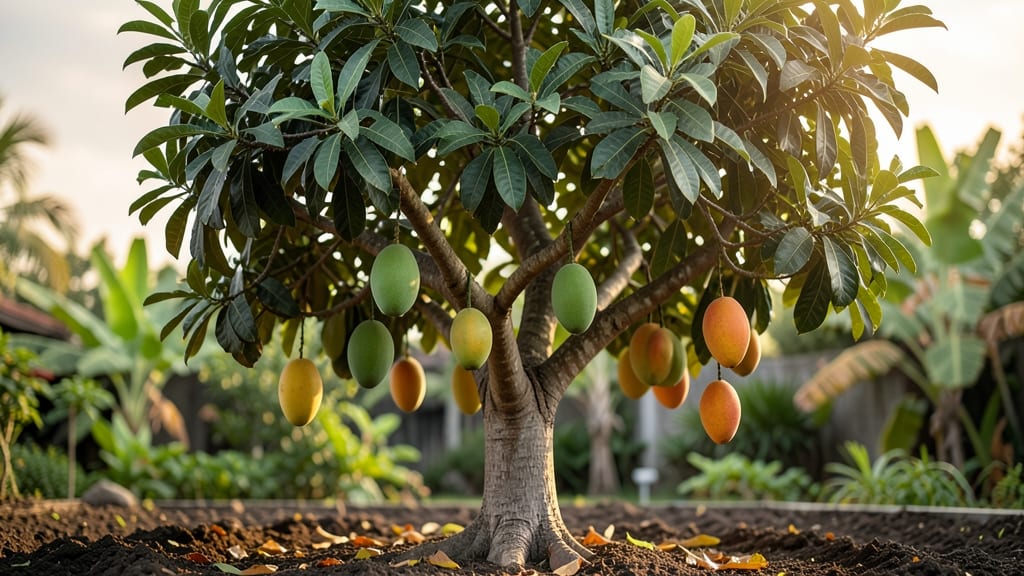
The mango tree in Cali thrives under California’s sunshine—if you prune it right. 🌞 The key is balancing that heavy fruit load without sacrificing next year’s harvest, and I’ve learned the hard way which cuts work (and which don’t).
Most California varieties like ‘Cogshall’ or ‘Keitt’ need light trimming in late winter to open the canopy for airflow and sunlight. Heavy-handed pruning back there? You’ll lose fruit—and worse, stress the tree when it’s already fighting summer heat. Think of it as sculpting, not hacking.
You’ll end up with a tree that produces sweeter, larger fruit while staying strong through our dry spells. The secret’s in the 30-degree angles on cuts and leaving those sturdy branches that hold weight. No more dropping mangoes at harvest!
Works for coastal areas where humidity lingers and inland spots where it’s bone-dry. Just time your cuts right—before buds swell, but after frost risk fades. Here’s how to do it without turning your tree into a stump.
📚 In This Guide
- What you need
- Instructions
- Tips and common mistakes
- Wrapping up and next steps
What you need
- ● Pruning shears: Sharp, sterilized bypass pruners (for cuts under ½ inch thick). (1 pair)
- ● Loppers: Heavy-duty bypass loppers (for branches ½–1½ inches thick). (1 pair)
- ● Pruning saw: Curved-tooth saw for thick branches (1.5+ inches). (1)
- ● Disinfectant: 70% isopropyl alcohol or bleach solution (1:9 ratio) to sterilize tools between cuts. (Small bottle)
- ● Gloves: Heavy-duty gardening gloves (cut-resistant if dealing with thorns). (1 pair)
- ● Heavy-duty trash bags: For collecting pruned branches. (2–3 bags)
- ● Ladder: Sturdy extension ladder (if tree exceeds 8 feet). (1, height-dependent)
- ○ Safety gear: Safety glasses and long sleeves (to protect from sap and debris). (Optional but recommended)
- ● Pruning sealant: Tree wound sealant (for large cuts >2 inches). (Small tube)
- ● Marking twine: Colored twine to flag branches for removal. (Spool)
- ● Tree growth regulator: (e.g., paclobutrazol) if overgrowth is a concern. (Follow label instructions)
- ● Compost bin: For repurposing pruned branches as mulch. (If available)
Step-by-Step instructions for pruning a mango tree in California's climate
California’s intense sun demands precise pruning to balance fruit production and tree health.
☀️ Step 1: Time Your Pruning for Optimal Growth
Prune your mango tree late winter to early spring, just before new growth begins—typically February to March in California. This timing ensures you remove dead or weak branches without disrupting the tree’s energy reserves before flowering. Avoid pruning during summer heatwaves, as the stress can delay fruit set.
Look for dormant branches (no leaves or green growth) and crossing branches that rub against each other. These are your first targets. Use sharp, clean pruners to make 45-degree cuts just above a bud or lateral branch to encourage proper healing and growth direction.
✂️ Step 2: Remove Dead, Diseased, or Weak Wood
Start by inspecting the tree for dead branches—these appear gray, brittle, and snap easily when bent. Remove them entirely, cutting back to the main trunk or a healthy lateral branch. Diseased wood often shows dark spots, oozing sap, or fungal growth; prune these out immediately to prevent spread.
Weak or spindly branches that don’t support fruit should also go. These are usually thin, pale, and lack leaves. Thin them out to improve airflow and sunlight penetration, which reduces humidity-related diseases like anthracnose. Never leave stubs—always cut back to a bud or branch collar for clean healing.
🌿 Step 3: Thin Out Overcrowded Branches for Better Fruit Load
Mango trees in California produce heavy fruit loads, which can overwhelm weak branches. Selectively remove competing branches—those growing inward or directly opposite each other—to reduce strain. Aim to leave well-spaced, outward-growing branches that catch sunlight and allow airflow.
Focus on scaffold branches (the main structural limbs) and remove any that are too close together or growing at sharp angles. This step is critical for preventing fruit drop and ensuring larger, healthier mangoes. If a branch has more than 20-25 fruits, consider thinning some out by hand to lighten the load.
🪴 Step 4: Shape the Tree for Sunlight and Airflow
California’s intense sunlight means your mango tree needs an open canopy to prevent sunburn on fruit and heat stress. Step back and visualize the tree’s shape—aim for a rounded, vase-like form with a strong central leader (main upward-growing branch). Remove any branches growing straight upward (called "water sprouts") to encourage a bushier, more stable structure.
Prune back overly long branches by about one-third to promote bushier growth. Avoid heavy pruning on young trees—focus on light shaping to establish a strong framework. Mature trees can handle moderate pruning, but never remove more than 25% of the canopy in one session to avoid shocking the tree.
💧 Step 5: Post-Pruning Care for Recovery
After pruning, water deeply to help the tree recover, especially if you’ve removed a significant portion of foliage. Apply a balanced fertilizer (like 10-10-10) to support new growth, but avoid heavy nitrogen—this can encourage leafy growth at the expense of fruit. Monitor the tree for new shoots at the pruning cuts; these are a sign of successful healing.
Keep an eye out for pests or disease in the weeks following pruning, as fresh cuts can attract issues like mango seed weevils or powdery mildew. If you notice unusual sap oozing or dark spots, treat with a copper fungicide or neem oil as a preventive measure. With proper care, your tree will rebound quickly and produce sweeter, larger mangoes next season.
Tips & tricks for perfect mango tree pruning in California
California's sun demands precision—here's how to keep your mango tree thriving while avoiding common pruning pitfalls.
Seasonal Timing Secret: The February-March window is non-negotiable for California mango trees. This timing aligns with the tree's natural dormancy period, ensuring you remove weak branches without disrupting the energy reserves needed for spring flowering. I've seen trees stressed by summer pruning fail to set fruit properly—California's heat accelerates recovery, so timing is everything. Mark your calendar now for next year!
Cutting Technique That Changed Everything: Those 45-degree cuts in Step 1 aren't just arbitrary—they create a natural shield that protects the branch collar from disease. I learned this the hard way after seeing several trees develop fungal infections from improper cuts. Always cut just above a bud or lateral branch, and use sharp pruners to make clean cuts that heal faster. A dull blade crushes the wood, inviting pests and disease.
Fruit Load Management: The 20-25 fruit limit per branch in Step 3 might seem arbitrary, but there's science behind it. Each mango can weigh 1-2 pounds, and branches need to support that weight without breaking. I've seen branches snap under heavier loads, sometimes dropping 50+ pounds of fruit at once. When in doubt, thin more aggressively—your tree will thank you with larger, healthier fruit next season.
Post-Pruning Recovery Strategy: That deep watering after pruning isn't just about hydration—it's about shock prevention. California's dry climate means trees lose moisture quickly through fresh cuts. I recommend watering at the drip line (not just the trunk) to encourage root growth. The balanced 10-10-10 fertilizer recommendation is spot-on too—avoid high-nitrogen fertilizers that promote leafy growth at the expense of fruit production.
Pro Tips for Mango Tree Cali
- California's sun demands precision—here's how to keep your mango tree thriving while avoiding common pruning pitfalls.
- Seasonal Timing Secret: The February-March window is non-negotiable for California mango trees.
- Cutting Technique That Changed Everything: Those 45-degree cuts in Step 1 aren't just arbitrary—they create a natural shield that protects the branch collar from disease.
Frequently asked questions
Got questions about pruning your mango tree in Cali? You’re not alone—growing and maintaining these tropical beauties can be tricky, especially in California’s unique climate. Here are answers to the most common concerns to keep your tree thriving and fruit-bearing!
When is the best time to prune a mango tree in Cali?
Prune your mango tree in late winter to early spring (February–March) before new growth starts. This timing avoids stressing the tree during dormancy and aligns with Cali’s mild winters. Avoid heavy pruning in summer—it can reduce flowering and fruit set. Light shaping in fall is okay, but focus on structural cuts in spring!
How much can I prune without harming the tree?
Never remove more than 25–30% of the tree’s canopy in one session. Mango trees are sensitive to over-pruning, which can shock the tree and reduce fruit production. Focus on dead, crossing, or overcrowded branches first. For young trees, limit cuts to 10–15% to encourage strong growth.
Will pruning reduce my mango yield?
Pruning improves fruit quality and yield if done correctly! Removing dense branches increases airflow, reducing fungal diseases (like anthracnose) and ensuring more sunlight reaches developing fruit. However, over-pruning can delay fruiting. Balance is key—prioritize structural health over aggressive cuts.
How does Cali’s climate affect mango tree pruning?
Cali’s mild winters and hot summers mean your mango tree stays active year-round. Avoid heavy pruning in summer (June–August), as the tree is already stressed by heat and fruiting. Instead, prune in cool months to minimize shock. If you live in inland areas (like Riverside or San Bernardino), water deeply 2–3 days before pruning to help the tree recover faster.
What should I avoid when pruning a mango tree?
- Pruning during flowering or fruiting—this can drop blossoms or young fruit.
- Leaving stubs—always cut just above a bud or branch collar for clean healing.
- Ignoring pests/disease—prune out infected branches immediately to prevent spread.
- Using dull tools—ragedy cuts tear bark, inviting infections. Sharpen your pruners first!
Still unsure? Observe your tree’s growth patterns—healthy mango trees grow 1–2 feet per year and develop plenty of new shoots after pruning. If you see no regrowth 4–6 weeks post-prune, you may have cut too much!
Wrapping up and next steps
Growing a thriving mango tree in Cali is a rewarding journey—especially when you master the art of pruning to balance sunlight exposure and fruit production. By following the right techniques, you’ll ensure your tree stays healthy, productive, and resilient against pests and disease.
Now that you’re equipped with the knowledge, roll up your sleeves and get pruning! 🌿✂️
Start with a single session this season, then build confidence for future maintenance. And remember: patience and consistency are key—your sun-kissed mangoes will thank you!