
Pests and Diseases
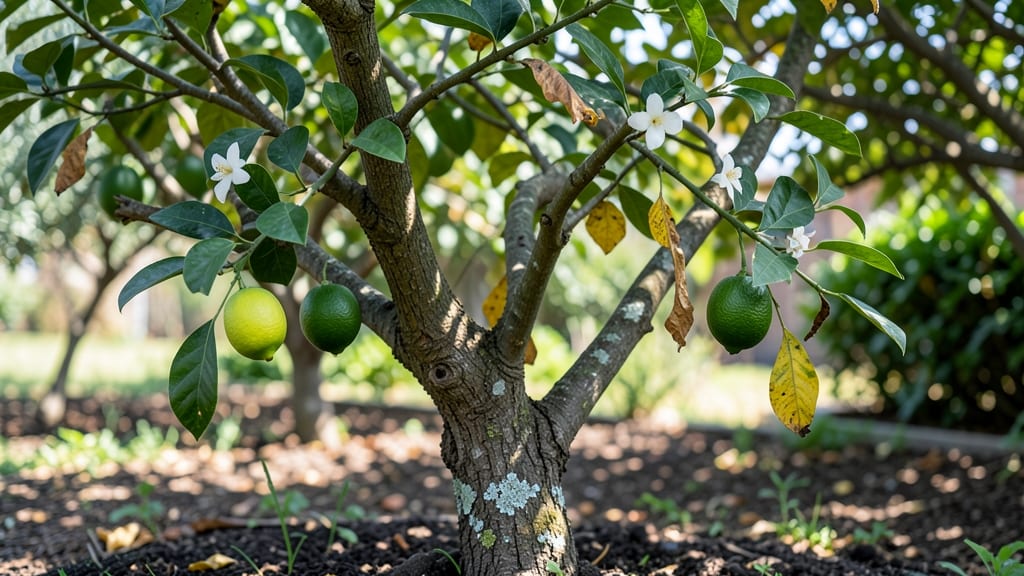
Your lemon tree losing leaves in winter isn’t a death sentence—it’s a cold-weather survival tactic. 🌿 Most citrus trees shed leaves when temps dip below 50°F, but with the right adjustments, you can keep yours healthy through the chill.
The key is understanding whether your tree is reacting to cold stress, overwatering, or pests hiding in the bare branches.
Start by cutting back on watering—citrus roots rot easily in soggy winter soil—and move your potted tree to a sheltered spot where temps stay above 40°F. Prune any dead or yellowed leaves to redirect energy, then inspect branches for spider mites or scale, which thrive when trees are stressed.
A light layer of mulch or frost cloth can make all the difference for outdoor trees.
📚 In This Guide
- What you need
- Instructions
- Tips and common mistakes
- Wrapping up and next steps
What you need
- ● Pruning shears – Clean, sharp pair (sterilize with rubbing alcohol before use).
- ● Gloves – Heavy-duty garden gloves (to protect from thorns and sap).
- ● Thermometer – Digital outdoor thermometer (to monitor temps near the tree).
- ● Watering can or hose – With adjustable nozzle (for gentle watering).
- ● Mulch – 4–6 inches of organic mulch (e.g., straw, wood chips, or shredded leaves).
- ● Frost cloth or burlap – Enough to wrap the tree (or a lightweight row cover).
- ○ Fungicide (optional) – Copper-based or neem oil solution (for fungal concerns).
- ● Magnifying glass – For inspecting leaves (check for pests, discoloration, or damage).
- ● pH test kit – Soil pH tester (ideal range: 6.0–7.0 for lemons).
- ● Notebook & pen – To track symptoms (date, leaf changes, weather notes).
- ● Sterilize tools – Wipe down pruners with 70% isopropyl alcohol to avoid spreading disease.
- ● Check drainage – Ensure pots have drainage holes (or improve soil drainage if needed).
- ● Gather backup – Extra frost cloth or bubble wrap for extra cold snaps!
Step-by-step instructions for saving your lemon tree in winter
Here’s how I’ve rescued lemon trees from winter leaf drop—no fancy tools, just smart adjustments.
🌿 Step 1: Protect the Roots from Cold Snaps
Lemon trees hate cold roots, which is why they shed leaves when temperatures dip below 40°F. Start by wrapping the trunk and root zone with 4-6 inches of mulch (straw or wood chips work best). This acts like a blanket, keeping soil temperatures 10°F warmer than air. I always check the mulch after rain—if it’s soggy, fluff it up to prevent rot.
If your tree is in a pot, move it to a garage or sheltered porch where temps stay above 45°F. Keep it out of freezing drafts, but don’t seal it completely—lemons still need airflow. Watch for yellowing leaves at the edges—that’s your sign the roots are too cold.
☀️ Step 2: Adjust Light and Water Like a Pro
Indoor lemon trees need bright, indirect light (south-facing windows are ideal). If leaves start dropping, move the tree closer to the light—6-8 inches away—but avoid direct sun, which scorches them. You’ll know it’s right when new growth appears in 2-3 weeks.
Water only when the top 2 inches of soil feel dry. Overwatering in winter stresses the tree, making it drop leaves faster. I use a moisture meter to check—if it reads dry, water deeply until it drains from the bottom. No soggy soil!
💧 Step 3: Boost Humidity Without the Hassle
Dry indoor air makes lemon leaves crisp and fall off. Place the pot on a tray of pebbles with water (but keep the pot elevated so roots don’t sit in water). As the water evaporates, it adds humidity around the tree. For extra help, mist the leaves 2-3 times a week—but avoid wetting the soil.
If your home runs dry, group the lemon tree with other plants to create a micro-climate. You’ll notice leaves staying plump and green instead of curling at the edges. This trick works even in 30% humidity—no fancy humidifier needed.
✂️ Step 4: Prune Smartly to Encourage New Growth
Once the worst of winter passes (around mid-February), trim back any dead or yellowing branches with clean, sharp shears. Cut just above a leaf node where new growth can sprout. Avoid heavy pruning—lemons are sensitive, and too many cuts shock them. You’ll see new buds forming in 4-6 weeks if you’ve got the timing right.
Don’t skip this step—pruning removes weak wood and lets the tree focus energy on spring flush. Just don’t prune in fall, as it stresses the tree before dormancy. I always wait until after the last frost before touching the shears.
⏰ Step 5: Gradually Reintroduce Outdoor Conditions
When daytime temps hit 60°F consistently, move the tree outside for 2-3 hours in the morning. Start with shade and slowly increase sun exposure over 2 weeks. This hardening-off process prevents shock from sudden light changes. Watch for new leaves unfurling—that’s your sign it’s adjusting.
By late spring, the tree should be fully outdoors in partial shade. If you see leaves dropping again, it’s either too much sun or windburn. Move it to a spot with morning sun and afternoon shade—lemons hate afternoon heat.
Tips & tricks for saving your lemon tree in winter
These simple adjustments can make all the difference between a sad, bare lemon tree and one that thrives through winter.
Root Protection Pro Tip: When wrapping your tree's trunk and roots with mulch, use a breathable material like straw or wood chips—never plastic. Plastic traps moisture and can cause rot, which defeats the purpose of keeping roots warm. I've seen trees recover beautifully with proper mulch, but plastic-wrapped roots always end up struggling. Also, make sure to check your mulch after heavy rain—if it feels soggy, fluff it up to maintain that critical 10°F warmer temperature difference.
Lighting Secret: If your south-facing window isn't available during winter months, consider adding a grow light for 12-14 hours a day. Lemon trees need that light to maintain their health, and artificial lighting can bridge the gap when natural light is scarce. Position it 6-8 inches away from the tree—closer than that can scorch leaves, while farther away won't provide enough intensity. You'll notice new growth appearing in 2-3 weeks if the light is right.
Humidity Hack: For the pebble tray method, use small pebbles or marbles rather than large stones. The larger surface area of smaller pebbles creates more evaporation, which translates to better humidity around your tree. Change the water every 2-3 days to prevent algae growth, which can actually harm your tree. I've had great success with this method even in homes with 30% humidity—no fancy equipment needed!
Pruning Precision: When pruning in mid-February, focus on removing only the dead or yellowing branches. Healthy green branches should stay intact—they're working hard to keep your tree alive through winter. Cut just above a leaf node where new growth can emerge. This targeted approach prevents shock while still giving your tree a fresh start for spring. You'll see those new buds forming in 4-6 weeks if you've pruned correctly.
Pro Tips for Lemon Tree Losing Leaves In Winter
- These simple adjustments can make all the difference between a sad, bare lemon tree and one that thrives through winter.
- Root Protection Pro Tip: When wrapping your tree's trunk and roots with mulch, use a breathable material like straw or wood chips—never plastic.
- Lighting Secret: If your south-facing window isn't available during winter months, consider adding a grow light for 12-14 hours a day.
Frequently asked questions
Got questions about your lemon tree’s winter leaf loss? You’re not alone! Here are some of the most common concerns—and practical solutions—to keep your citrus tree thriving even when temperatures drop.
Is it normal for lemon trees to lose leaves in winter?
Yes! Lemon trees (Citrus × limon) are evergreens but semi-deciduous in cold climates. They naturally shed some leaves in winter to conserve energy. However, if more than 20-30% of leaves drop or new growth appears weak, your tree may be stressed by cold, drafts, or poor care. Monitor for other signs like yellowing or brown spots.
How long does it take for lemon trees to regrow leaves after winter?
Leaf regrowth depends on the tree’s health and conditions. Under ideal care (warmth, sunlight, and proper watering), you may see new shoots in 4-8 weeks. If your tree is struggling, it could take longer—sometimes up to 3-4 months. Avoid pruning until you spot fresh green growth to prevent weakening the tree further.
Can I save a lemon tree that’s already lost most of its leaves?
Start by moving it indoors or to a sheltered spot (like a garage or sunroom) if temperatures dip below 40°F (4°C). Reduce watering slightly (let soil dry between waterings) and fertilize lightly in early spring with a citrus-specific formula. If roots are healthy, the tree can bounce back—just be patient!
Will my lemon tree produce fruit next year if it loses leaves now?
Leaf loss can reduce next year’s fruit production, but it’s not a death sentence. Healthy roots and proper care in winter maximize the tree’s ability to rebound. Focus on protecting it from frost, ensuring it gets 6+ hours of sunlight daily, and avoiding overwatering. With time, your tree should recover and fruit again—just possibly a slightly smaller harvest.
What’s the difference between winter leaf drop and a disease or pest issue?
| Winter Leaf Drop | Disease/Pest |
|---|---|
| Leaves turn yellow or brown and drop gradually over weeks. | Leaves may curl, spot, or fall suddenly with signs like holes, webbing, or mold. |
| Tree is dormant; new growth appears in spring. | Sticky residue, sawdust-like frass, or fungal growth (e.g., citrus canker) may be present. |
| Common in temperate climates with cold snaps. | Often accompanied by wilting, blackened stems, or pests like aphids or scale. |
If you spot unusual symptoms, inspect the tree closely and treat accordingly (e.g., neem oil for pests, fungicide for disease). When in doubt, consult a local extension service!
Wrapping up and next steps
Don’t let winter stress turn your lemon tree into a leafy casualty—your citrus friend is tougher than it looks! 🌱 By adjusting care, protecting it from cold snaps, and keeping an eye out for pests or disease, you can help it bounce back strong.
Remember, prevention is key: a little extra love now means vibrant blooms and juicy lemons come spring.
Ready to take action? Start with a quick inspection of your tree’s health today—trim damaged branches, check for pests, and adjust its winter routine. Your lemon tree will thank you with years of golden fruit! 🍋✨