
Diseases
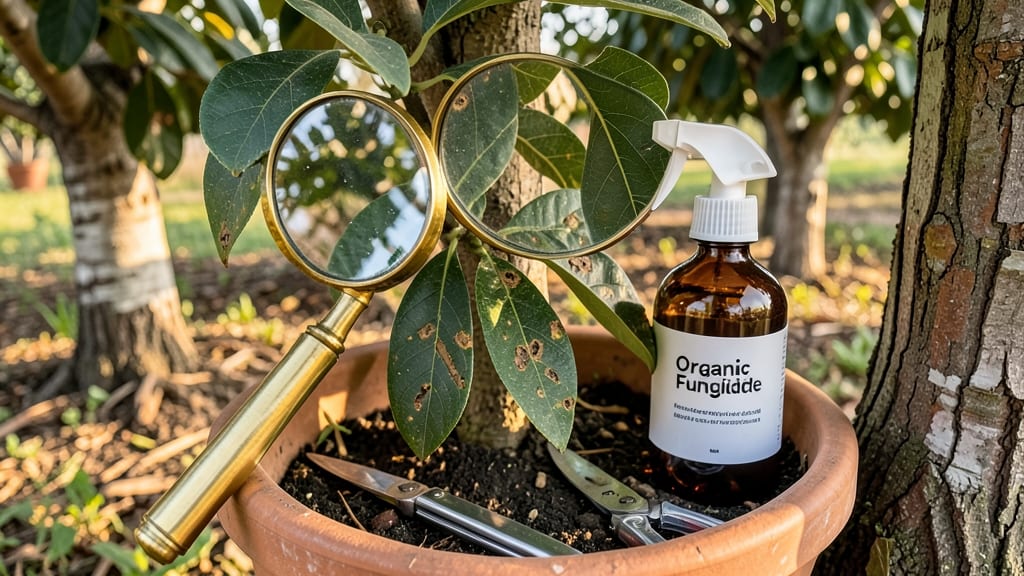
Brown spots on avocado tree 🥑 leaves can turn a healthy plant into a worry, but most issues have clear solutions once you know what you’re dealing with.
Picture this: You step outside to water your tree, and suddenly, those glossy green leaves are dotted with unsightly brown patches.
It’s easy to panic, but the good news is that identifying the root cause—whether it’s a fungal infection, bacterial spot, or environmental stress—is the first step to saving your tree.
From anthracnose to sunburn, each type of brown spot tells a different story. Some require pruning and fungicides, while others just need adjusted watering or shade. Below, I’ll break down the three most common culprits and the targeted fixes that actually work.
You’ll learn how to spot the difference between a treatable issue and one that needs professional help, plus preventive care to keep your avocado tree thriving year-round in zones 9-11.
3 Most common causes of brown spots on avocado tree leaves
When you notice brown spots on your avocado tree leaves, it’s your tree’s way of signaling distress. The first step is identifying whether the issue stems from pathogens, environmental stress, or nutrient deficiencies.
Each cause requires a different approach, so let’s break down the most common culprits and how to spot them early.
Fungal diseases like anthracnose are among the top offenders, thriving in warm, humid conditions. These infections often appear as dark brown or black spots with yellow halos around them. If left unchecked, the spots can expand, causing leaves to curl or drop prematurely.
Bacterial infections, such as bacterial spot disease, create smaller, water-soaked spots that may ooze when touched.
Environmental factors also play a huge role. Sunburn can scorch leaves, leaving crispy, light brown patches on edges or surfaces exposed to intense sunlight. Meanwhile, nutrient deficiencies, particularly iron or magnesium shortages, manifest as interveinal chlorosis (yellowing between veins) with brown edges.
Let’s compare these causes side by side to help you diagnose your tree’s issue accurately.
If you’re seeing dark brown spots with yellow halos, your avocado tree is likely battling anthracnose, a fungal disease that spreads rapidly in humid conditions. This pathogen thrives when leaves stay wet for extended periods, so improving air circulation and avoiding overhead watering can help mitigate its spread.
Look for curling leaves or premature leaf drop as early warning signs.
For bacterial spot disease, the culprit is often Xanthomonas campestris, a bacterium that creates tiny, water-soaked lesions on leaves. These spots may ooze when wet, and the disease spreads quickly during rainy seasons.
If you notice new growth showing symptoms, it’s time to act fast—bacterial infections can weaken your tree’s overall health if untreated.
Environmental stress, like sunburn, is another common cause of brown spots. Avocado trees need 6+ hours of sunlight daily, but direct afternoon sun can scorch leaves, especially in hot climates.
If your tree is suddenly exposed to intense sunlight or lacks shade, you’ll see crispy, light brown patches on leaf edges. Providing afternoon shade or gradually acclimating your tree to full sun can prevent further damage.
Finally, nutrient deficiencies, particularly iron or magnesium shortages, often cause interveinal chlorosis with brown edges. This issue is common in alkaline soils (pH >7.0), where nutrients become less available to the tree.
Test your soil’s pH and amend it with organic matter or chelated iron if needed. Young leaves showing symptoms first is a key indicator of this deficiency.
Each of these causes requires a different approach, so diagnosing the issue accurately is the first step toward restoring your avocado tree’s health.
Once you’ve identified the problem, you can move on to targeted fixes—whether it’s fungicides for anthracnose, bacterial treatments for bacterial spot, or soil adjustments for deficiencies. 🌿
Targeted fixes for brown spots: fungicides, pruning, and soil adjustments
Once you’ve identified the cause of those brown spots on your avocado tree leaves, it’s time to act. The right treatment depends on whether the issue is fungal, bacterial, or environmental.
For example, if you suspect anthracnose fungus, you’ll need a different approach than if the problem stems from overwatering or nutrient deficiencies. Let’s break down the most effective fixes for each scenario.
For fungal infections, fungicides are often the fastest solution. Organic options like neem oil or copper fungicide work well for mild cases, while chemical treatments such as propiconazole can tackle severe outbreaks.
Always apply fungicides early in the morning to avoid burning leaves under direct sunlight. Pair this with pruning affected leaves to prevent the spread and improve air circulation around the tree.
⚠️ WARNING: MISTAKEN TREATMENT CAN WORSEN DAMAGE If you misdiagnose the issue, you risk harming your avocado tree further. For instance, applying fungicides to a nutrient deficiency won’t help—and could even stress the tree.
Always confirm the cause before treating. Bacterial spots require copper-based sprays, while environmental stress (like sunburn) needs adjustments to watering or shade. Overwatering? Let the soil dry out slightly between waterings. Too much sun? Provide afternoon shade with a lightweight shade cloth.
Pruning is a critical step in restoring your tree’s health. Use sterilized pruning shears to remove yellowed or spotted leaves, cutting just above a healthy leaf node. This not only improves the tree’s appearance but also reduces fungal spores and encourages new growth.
For severe cases, consider thinning out dense foliage to enhance airflow, which is especially important in humid climates where fungi thrive.
Soil adjustments can make a huge difference in preventing future brown spots. Test your soil’s pH and nutrient levels—avocado trees prefer slightly acidic soil (pH 6.0–7.0). If the soil is too alkaline, amend it with sulfur or peat moss.
Add compost or well-rotted manure to replenish nitrogen, phosphorus, and potassium, which support overall tree vigor. Mulching with organic matter also helps retain moisture and regulate soil temperature.
Preventative care is just as important as treatment. After addressing the immediate issue, focus on long-term resilience. This includes regularly inspecting leaves for early signs of stress, maintaining proper watering schedules, and avoiding overhead irrigation (which can spread fungal spores).
In high-humidity areas, consider installing a tree drip irrigation system to keep foliage dry.
With the right combination of targeted treatments, pruning, and soil care, your avocado tree can bounce back stronger than ever. Monitor progress over the next few weeks, and don’t hesitate to consult a local arborist if the problem persists.
A healthy tree is a productive one—and soon, you’ll be enjoying those creamy avocados without a worry! 🥑