
Pruning
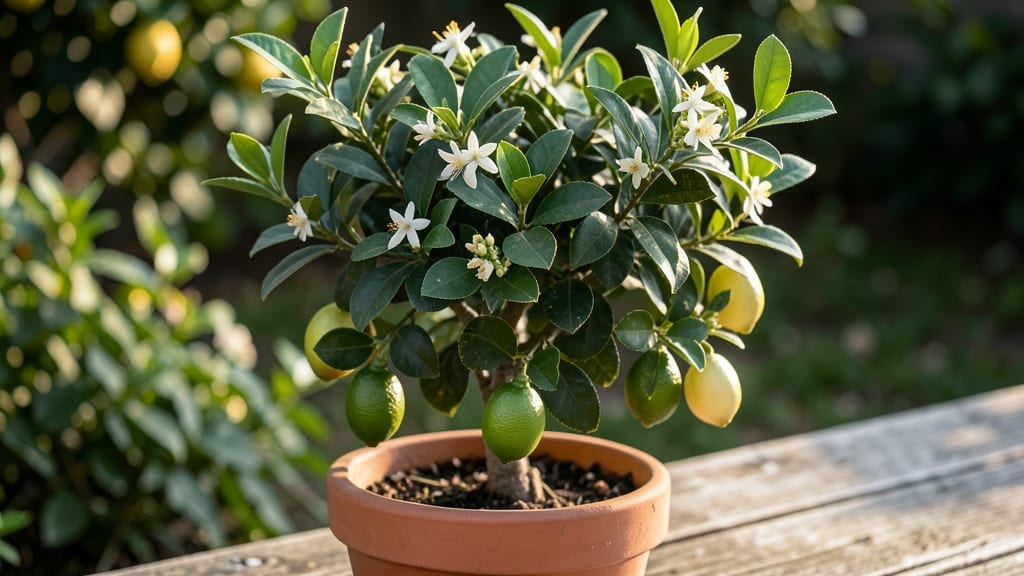
Growing a key lime tree in a pot turns your balcony into a tropical escape with fragrant blossoms and tangy fruit—no backyard required. 🌱 I’ve watched mine go from a 6-inch seedling to a fruit-bearing tree in just three years, and the secret lies in the right container, soil, and a little patience.
The magic starts with a 5-gallon pot (minimum) for the first year, upgraded to 10+ gallons as it grows. Use well-draining citrus mix—heavy clay soil will drown those roots—and always add a layer of gravel at the bottom.
Place it where it gets 6+ hours of sun daily, and you’ll see new growth within weeks. Prune sparingly to shape the tree, fertilize monthly in spring/summer, and watch for aphids (a quick spray of soapy water fixes them).
By winter, bring it indoors near a sunny window—just keep it away from drafts. The first limes? They’ll arrive in 2-3 years, but the journey is worth every pinch of citrusy joy.
Small-space gardeners rejoice: this tree thrives in pots, and with the right care, it’ll outlive you. The key is consistency—water when the top inch of soil dries, never let it sit in saucers, and rotate the pot weekly for even growth.
Troubleshoot yellow leaves? Too much water. No flowers? Needs more sun. Simple fixes for a tree that gives back more than it takes.
📚 In This Guide
- What you need
- Instructions
- Tips and common mistakes
- Wrapping up and next steps
What you need
- ● Container: A 5-gallon pot or larger (at least 12–18 inches deep) with drainage holes. Opt for terracotta, ceramic, or high-quality plastic.
- ● Well-draining potting mix: A blend of citrus-specific soil (50%), perlite (25%), and coarse sand or pumice (25%) to prevent root rot.
- ● Key lime tree: A dwarf or semi-dwarf variety (e.g., ‘Meyer’ lime grafted on a dwarf rootstock like ‘Flying Dragon’ or ‘Swingle’ citrumelo).
- ● Pruning tools: Bypass pruners (for clean cuts)
- ● Sterilizing alcohol wipes (to prevent disease)
- ● Sharp knife or loppers (for thicker branches)
- ● Fertilizer: A balanced citrus fertilizer (e.g., 6-6-6 or 8-3-9 NPK ratio) with micronutrients like iron and zinc.
- ○ Support: A small stake or trellis (optional but helpful for young trees).
- ● Self-watering pot or moisture meter (to monitor soil hydration).
- ● Mulch (e.g., orchid bark or pine needles) to retain moisture.
- ● Grow lights or a sunny windowsill (if natural light is limited).
- ● Citrus-specific pest control (e.g., neem oil or insecticidal soap).
- ● Pot feet or casters (to move your tree easily).
Step-by-step instructions for growing a key lime tree in a pot
Here's how to nurture a vibrant key lime tree in a container—perfect for patios, balconies, or sunny windowsills.
🪴 Step 1: Select the Right Container and Drainage
Choose a 5-gallon pot (minimum) with drainage holes—key lime trees need room for roots to spread but hate soggy feet. I like terra cotta because it breathes and helps regulate moisture. If your pot lacks holes, drill 4-6 near the bottom. Line the drainage holes with coarse gravel (about 1 inch deep) to prevent soil from clogging them.
Place a saucer or tray underneath to catch excess water—key limes despise sitting in saucers full of standing water. The pot should be at least 12 inches deep to accommodate the tree’s root system as it grows. If you’re using a decorative pot without drainage, nestle the functional pot inside and water carefully to avoid overflow.
🌱 Step 2: Prepare Well-Draining Soil and Plant
Fill the pot with a mix of 50% citrus-specific potting soil, 30% perlite, and 20% coarse sand—this ensures drainage while retaining enough moisture. Avoid garden soil; it compacts and suffocates roots. I like to add a handful of orchid bark for extra aeration. Moisten the mix until it’s damp but not soggy—think of a wrung-out sponge.
If planting a young tree, place it in the center of the pot and backfill with soil, pressing gently to remove air pockets. For bare-root trees, soak the roots in lukewarm water for 10 minutes before planting to encourage root expansion. Keep the root ball 1 inch below the pot’s rim—this prevents soil from spilling out when you water.
☀️ Step 3: Position for Full Sun and Warmth
Key lime trees thrive in full sun (6+ hours daily) and warmth (65-85°F). Place your pot in the sunniest spot—south or west-facing is ideal. If indoors, position it near a south-facing window or under grow lights for 12-14 hours daily. You’ll know it’s getting enough light when the leaves stay deep green and shiny, not yellow or stretched.
During cooler months, keep the pot away from drafts or cold windows. If temperatures dip below 50°F, move it indoors or wrap the pot in bubble wrap to insulate the roots. Watch for drooping leaves—this is your cue to adjust light or warmth immediately.
💧 Step 4: Water and Fertilize for Optimal Growth
Water when the top 1-2 inches of soil feel dry—stick your finger in to check. Water deeply until it drains from the bottom, then empty the saucer to prevent root rot. Overwatering is the #1 killer of potted citrus, so less is more. I water mine every 5-7 days in summer and every 10-14 days in winter, adjusting for humidity and light.
Feed your tree every 4-6 weeks during spring and summer with a citrus-specific fertilizer (look for one with balanced NPK, like 6-6-6). Dilute it to half-strength to avoid burning roots. You’ll see new growth within 2-3 weeks—that’s your sign it’s thriving. In fall and winter, reduce feeding to once every 8-10 weeks as growth slows.
✂️ Step 5: Prune and Maintain for Shape and Health
Prune in late winter or early spring before new growth starts. Remove dead, damaged, or crossing branches with sterilized pruners, cutting just above a leaf node. This encourages bushier growth. If your tree gets leggy, trim the topmost 2-3 inches to promote branching. Always prune just above a set of leaves to avoid leaving bare stems.
Wipe leaves with a damp cloth monthly to remove dust—this helps them absorb sunlight efficiently. Check for pests like scale or aphids (tiny white bumps or sticky residue). If you spot them, spray with neem oil or insecticidal soap. A healthy tree will reward you with fragrant white blossoms in spring, followed by tiny, tart key limes by fall.
Tips & tricks for perfect key lime tree cultivation
Between us, growing a key lime tree in a pot is easier than you think—once you know these game-changing details.
Container Size Matters: That 5-gallon minimum isn't just arbitrary—it gives roots room to establish before they circle the pot, which leads to stunted growth. I've seen trees in 7-gallon pots produce fruit a year earlier than those in smaller containers. If your tree outgrows its pot (usually after 2-3 years), upgrade to a 10-gallon pot—this prevents root binding that stresses the tree.
Soil Mix Secrets: The 50-30-20 ratio of citrus soil, perlite, and sand is perfect, but here's what nobody tells you: Add a handful of egg shells to the mix for extra calcium. Citrus trees are prone to deficiency, and eggshells break down slowly to provide it. Crush them finely and mix them right into your soil before planting—your tree will thank you with stronger stems and glossier leaves.
Lighting Troubleshooting: If your tree's leaves start yellowing or stretching toward the light (a condition called etiolation), it's not getting enough. For indoor growers, supplement with a full-spectrum LED grow light 12-14 hours daily. Place it 6-12 inches above the tree and adjust as it grows. I use a timer so my tree gets consistent light even when I forget—set it and forget it!
Fertilizer Timing: The 4-6 week feeding schedule works, but here's the pro move: Switch to a slow-release citrus fertilizer in early spring. These pellets last 3-4 months, giving your tree steady nutrients without the risk of over-fertilizing. Just work them into the top 2 inches of soil—no need to water them in immediately.
Pro Tips for Key Lime Tree In Pot
- Between us, growing a key lime tree in a pot is easier than you think—once you know these game-changing details.
- Container Size Matters: That 5-gallon minimum isn't just arbitrary—it gives roots room to establish before they circle the pot, which leads to stunted growth.
- Soil Mix Secrets: The 50-30-20 ratio of citrus soil, perlite, and sand is perfect, but here's what nobody tells you: Add a handful of egg shells to the mix for extra calcium.
Frequently asked questions
Got questions about growing a key lime tree in a pot? You’re not alone! Here are some of the most common queries—plus quick, practical answers to keep your citrus thriving in small spaces.
Can a key lime tree really grow in a pot long-term?
A key lime tree (Citrus aurantifolia) can thrive in pots for years if given the right care! Choose a large container (at least 15–20 gallons) with drainage holes and repot every 2–3 years as it grows. Just watch for signs of root-bound stress, like yellowing leaves or slow growth.
How fast does a key lime tree grow in a container?
Key lime trees grow moderately fast—expect 1–2 feet per year with proper sunlight (6+ hours daily) and fertilizer. In pots, growth slows slightly compared to in-ground trees, but pruning regularly encourages bushier, fruit-bearing branches. Patience pays off—some trees bear fruit in 3–5 years!
Will my potted key lime tree produce fruit?
Yes! With the right conditions—full sun, well-draining soil, and consistent watering—your potted key lime tree can produce small, tart limes. However, container-grown trees may yield fewer fruits than in-ground varieties. Hand-pollinate flowers with a soft brush to boost fruit set, especially in indoor or sheltered settings.
How do I protect my potted key lime tree in winter?
Key limes are tender citrus and need protection when temps drop below 30°F (-1°C). Move pots to a garage, sunroom, or insulated porch (avoid freezing drafts!). If outdoors, wrap the pot in bubble wrap or frost cloth and mulch the soil. Reduce watering in winter to prevent root rot.
What’s a good alternative if key limes are too tricky?
If key limes seem high-maintenance, try these low-maintenance citrus alternatives for pots:
- Meyer lemon: Cold-hardier, sweet-tart fruit, and more forgiving.
- Calamondin orange: Compact, fragrant, and thrives in containers.
- Dwarf grapefruit: Slower-growing but rewarding for small spaces.
Wrapping up and next steps
Growing a key lime tree in a pot is a rewarding way to bring tropical charm to small spaces—no yard required!
With the right care, pruning, and a sunny spot, you’ll enjoy fresh, fragrant limes and lush foliage year after year. Start small, stay consistent, and watch your citrus magic unfold!
Ready to dive in? Pick your pot, gather your tools, and give your key lime tree the love it deserves. Happy planting! 🌱✨