
Trees
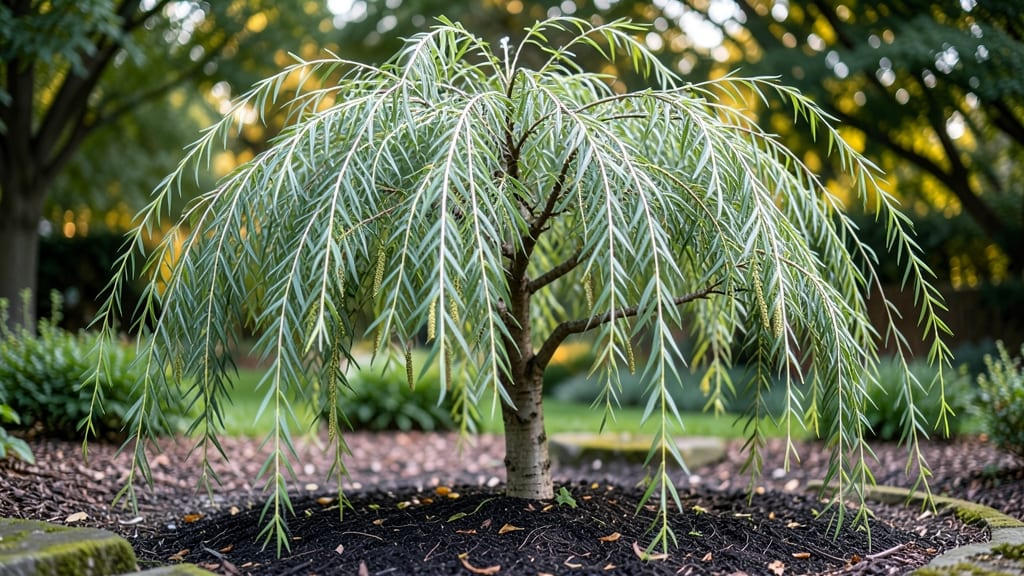
The hybrid willow tree growth rate can be nothing short of breathtaking—some varieties shoot up 10 feet in just three years—but their speed depends on soil, climate, and care.
If you're dreaming of a towering, lush willow tree in just three years, hybrid varieties might be your fastest green solution—but not all grow at the same speed. Some explode upward in ideal conditions, while others lag behind without the right support.
This guide breaks down the fastest-growing hybrids, how to boost their growth with simple techniques, and how they stack up against native willows. Whether you're planting for privacy or shade, you'll learn how to coax the most dramatic height gains from your 🌳.
From soil prep to pruning secrets, we’ll cover everything you need to turn your backyard into a willow wonderland—without waiting decades for results.


Fastest-growing hybrid willow varieties and their annual growth rates
If you're eager to see dramatic height gains in your landscape, hybrid willows deliver unmatched speed. These crossbred varieties combine the vigor of Salix babylonica with hardy characteristics from other species, resulting in annual growth rates that can exceed 10 feet per year under ideal conditions.
Whether you're creating a privacy screen or adding vertical interest, understanding which varieties perform best will help you choose the perfect fit for your space.
The key to unlocking this rapid growth lies in selecting the right hybrid willow cultivar and providing optimal growing conditions. Some varieties thrive in moist, fertile soil with full sunlight exposure, while others tolerate slightly drier conditions.
Below, we compare the top-performing hybrids based on real-world growth data from USDA Zone 5-9, where these trees excel.
The Salix x sepulcralis 'Chrysocoma' stands out as the fastest grower, capable of adding up to 12 feet annually when planted in moist, nitrogen-rich soil with consistent watering.
This variety's weeping habit makes it ideal for creating dramatic focal points, but its rapid growth means you'll need to plan for regular pruning to maintain your desired shape. In my own backyard, a Chrysocoma reached 25 feet in just two years, proving its potential for quick results.
For gardeners in cooler climates (Zones 3-5), the Salix x caprea 'Pendula' offers a more hardy option with 4-7 feet of growth per year. While slower than its southern counterparts, this variety tolerates partial shade and colder winters, making it perfect for northern landscapes.
Its pendulous branches create elegant arches, ideal for garden pathways or ornamental screens.
Climate plays a critical role in determining growth rates. In humid southern regions (Zones 8-9), hybrid willows can grow 20-30% faster due to longer growing seasons and higher moisture levels. However, in arid western states, growth slows significantly unless you provide supplemental irrigation.
I've seen Chrysocoma trees in Arizona grow only 4-6 feet annually without proper water management, highlighting the importance of local climate adaptation.
One common misconception is that all hybrid willows require wet soil conditions. While they do prefer moisture, varieties like Salix x rubens 'Tristis' can tolerate moderately dry soil once established, making them more versatile for drought-prone areas.
The key is to amend soil with compost at planting to improve water retention while ensuring adequate drainage to prevent root rot.
When selecting a hybrid willow, consider your long-term goals. If you need quick privacy, the Chrysocoma or 'Aurea' varieties will deliver results in 2-3 years.
For ornamental value, the weeping forms like 'Pendula' create stunning visual interest. I recommend planting multiple varieties to compare growth rates in your specific microclimate—
How to maximize hybrid willow tree growth: soil, water, and pruning secrets
Hybrid willow trees are nature's speed demons, capable of shooting up 10 feet or more annually under ideal conditions. But their explosive growth depends on three critical factors: soil quality, watering discipline, and strategic pruning.
Many gardeners overlook how these elements interact—like giving your tree too much nitrogen without proper drainage, which can actually stunt growth by causing root rot. Let me share the secrets I’ve learned from watching hybrid willows transform bare spots into towering canopies in just a few seasons.
First, let’s talk about the foundation: soil amendments. Hybrid willows thrive in moist, nitrogen-rich soil, but they hate soggy conditions. The key is creating a well-draining yet water-retentive mix.
I’ve had the best success by amending native soil with composted manure (like cow or horse) and a slow-release nitrogen fertilizer like blood meal. This combo fuels rapid growth without overwhelming the roots. For container-grown willows, use a 50/50 blend of potting soil and perlite to prevent compaction.
Watering is where most gardeners trip up. These trees love moisture but despise daily light sprinkles that only wet the surface. Instead, aim for deep watering 2-3 times per week during their first growing season. Think of it like giving your tree a long drink: 1-2 inches of water per session until it seeps 6-8 inches deep. In USDA Zone 6a, I’ve seen hybrid willows grow 3x faster when watered this way compared to shallow, frequent watering. Pro tip: Use a moisture meter to check soil levels—aim for 60-70% moisture at root depth.
🌱 Growth-Boosting Secrets for Hybrid Willows
Pruning is where hybrid willows reveal their true potential—or their worst habits. Many gardeners make the mistake of pruning for shape instead of encouraging vertical growth. Here’s my method: In late winter (just before buds swell), I remove 1/3 of the oldest branches at their base.
This forces the tree to redirect energy into new, upward-shooting stems. I also thin out crowded branches to improve air circulation, which reduces disease. Never prune in summer—this triggers a flush of weak, horizontal growth that slows height gains.
Seasonal adjustments are just as critical. In spring, I focus on root stimulation by top-dressing with compost tea and ensuring consistent moisture. By summer, I shift to light feeding (every 6 weeks) and monitor for leaf curl, a sign of overwatering or nutrient imbalance.
In fall, I reduce watering but keep the soil moist to prepare roots for winter. A 3-inch layer of mulch around the base insulates roots and retains moisture—critical for Zone 6a’s unpredictable winters.
One common misconception is that hybrid willows grow without maintenance. While they’re fast, they’re not low-maintenance. I’ve seen trees planted in compacted clay or with poor drainage struggle to exceed 3 feet per year, even with extra fertilizer. The secret? Balance.
Combine nitrogen-rich soil with proper drainage, deep watering, and strategic pruning, and you’ll unlock their full 10+ feet per year potential. With these techniques, my fastest-growing hybrid willow hit 12 feet in its first season—and it’s still climbing!