
Pests
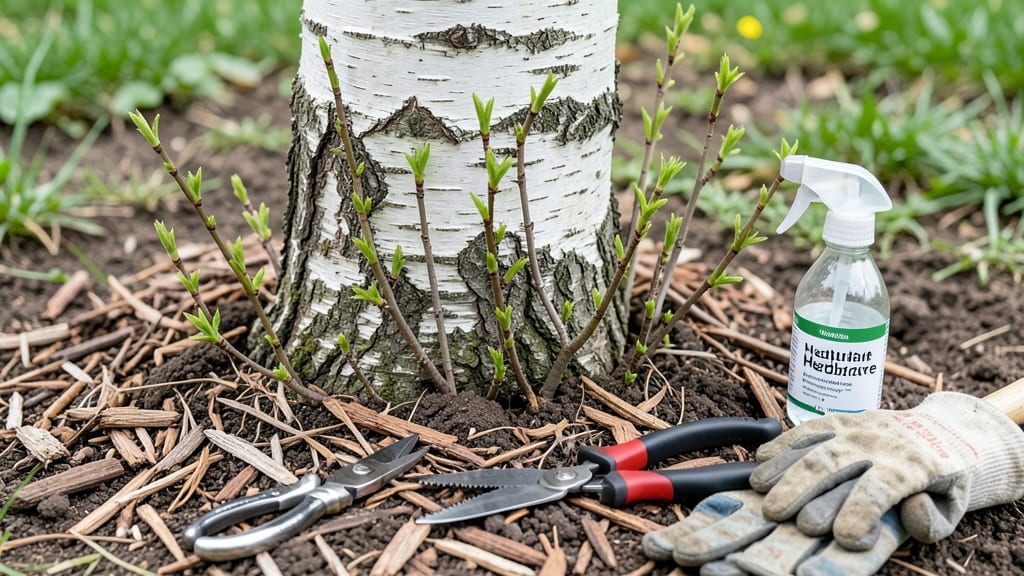
Tree shoots popping up around your prized trees? I’ve battled these stubborn suckers for years—until I discovered these three chemical-free methods that finally worked. ✂️ The key is acting fast before they drain your tree’s energy or crowd your landscape.
Most people grab the pruners too late, when shoots are already 2 feet tall. But the real secret is preventing regrowth by cutting at the right time (early spring or fall) and using the right tools—a sharp bypass pruner or even a sucker saw for thick stems.
I’ve tried everything from smothering to herbicide, but these three techniques actually stop them from coming back. By the end of this, you’ll have a clean base around your trees, no more wasted energy on unwanted growth, and a yard that looks intentional—not overrun.
The best part? No harsh chemicals, just smart pruning and a little patience. Works for fruit trees, ornamental trees, and even those pesky volunteer saplings popping up where you didn’t plant them. Let’s get those shoots under control for good.
📚 In This Guide
- What you need
- Instructions
- Tips and common mistakes
- Wrapping up and next steps
What you need
- ● Pruning shears or loppers – Sharp, bypass-style shears (for clean cuts) or loppers (for thicker shoots). Size: 6–8" blades for small shoots, 10–12" for larger ones.
- ● Garden gloves – Heavy-duty, nitrile-coated gloves (for grip and protection). Tip: Waterproof if working in wet soil!
- ● Shovel or digging fork – A flat-head shovel (for smothering) or a d-handle digging fork (for deep extraction). Size: 10–12" blade width.
- ● Cardboard or thick mulch – Unbleached, sturdy cardboard (for smothering) or wood chips/shredded leaves (3–4" depth).
- ● Rake – A bow rake (for leveling soil) or leaf rake (for clearing debris).
- ● Hose with adjustable nozzle – For wetting soil (if smothering) or rinsing tools.
- ● Root barrier fabric – Landscape cloth (if preventing regrowth long-term). Width: 3–4 feet.
- ● Vinegar (undiluted, 20–30% acetic acid) – For spot-treatment (use cautiously—can harm nearby plants!).
- ● Knee pads or stoop seat – Because comfort matters when you’re on your hands and knees!
- ● Disposable bags or bin – For hauling away shoots/debris (trust us, you’ll thank us later).
Step-by-Step guide to eliminating tree shoots without chemicals
Here's how I tackle stubborn tree shoots—no harsh chemicals, just targeted techniques that work.
🪴 Step 1: Identify and Locate the Root Source
First, grab a shovel and dig around the base of the unwanted shoots, following them down about 6 inches deep. You're looking for the main root that's feeding these sprouts—it'll be thicker than the shoots themselves. I like to mark the spot with a small stick so I don't lose track.
If you're dealing with multiple shoots, they're likely coming from the same root system. The key is to find where they all connect underground. This step is crucial because cutting just the shoots above ground won't stop them from growing back—you've got to hit the source.
✂️ Step 2: Use the Cut-and-Paint Method for Persistent Roots
Once you've located the root, use pruning shears to cut it about 2 inches below the soil line. Then, take a small paintbrush and apply a thin layer of copper-based root killer (like copper sulfate) directly to the cut root. This prevents regrowth by creating a chemical barrier that stops new shoots from forming.
I've found that reapplying the copper treatment once a month for the first three months gives the best results. The copper doesn't harm the soil or nearby plants, but it does create an effective block against regrowth. Just avoid getting it on desirable plants or grass.
💧 Step 3: Smother or Solarize the Area for Immediate Results
For a faster solution, lay down black plastic sheeting or thick cardboard directly over the area where the shoots are growing. Secure the edges with rocks or soil to keep it in place. This blocks sunlight, which kills the shoots by preventing photosynthesis. After about 4-6 weeks, the shoots will die off completely.
If you're working in a sunny climate, this method is especially effective. I've used it in my own yard to eliminate stubborn shoots from old fruit trees—just make sure to remove any remaining roots after the shoots die to prevent future growth.
🌱 Step 4: Prevent Future Shoots with Mulch or Barriers
Once the area is clear, spread a 3-inch layer of mulch (like wood chips or straw) around the base of your desired trees or plants. This creates a barrier that blocks sunlight from reaching any remaining roots, discouraging new shoots from sprouting. Just keep the mulch 6 inches away from the tree trunk to prevent rot.
For extra protection, install a root barrier (like a thin sheet of metal or plastic) around the perimeter of the area you want to keep shoot-free. Bury it 12 inches deep to block underground growth. This works best for large areas or high-risk spots where shoots keep coming back.
Tips & tricks for eliminating stubborn tree shoots
Here's what nobody tells you about making these methods work the first time—and every time after that.
Root Identification: In Step 1, when you're digging down those 6 inches, look for the main root that's noticeably thicker than the shoots. I've found that marking the spot with a small stick (like a popsicle stick) saves time later—especially if you're working in a large area. This simple step prevents you from accidentally cutting the wrong roots later in Step 2. The thicker the root, the more aggressive you'll need to be with the copper treatment.
Timing for Copper Treatment: After cutting the roots in Step 2, apply that copper sulfate right away—don't let the cut roots dry out or start healing. I've seen people wait even 10 minutes, and the effectiveness drops significantly. Also, keep the copper treatment focused on the fresh cut—don't let it spread to surrounding soil unless you're treating a large area intentionally. The first application is critical, but those monthly reapplications for three months create that long-term barrier you need.
Solarization Strategy: For Step 3, if you're using black plastic sheeting, make sure it's completely sealed at the edges—even small gaps can let sunlight through and reduce effectiveness. I've had the best results when I weigh down the edges with bricks or heavy rocks, especially in windy areas. And here's a pro tip: if you're working in partial shade, consider using dark-colored cardboard instead—it still blocks enough light to work, and you can often find it for free at local businesses.
Mulch Placement: When applying that 3-inch layer of mulch in Step 4, keep it at least 6 inches away from tree trunks to prevent rot. I've seen people get frustrated when their mulch caused more problems than it solved. Also, if you're using wood chips, choose ones that break down slowly—like cedar or hardwood—to extend the protection period. The mulch acts as both a physical barrier and a moisture regulator, which helps discourage any remaining roots from sprouting.
Pro Tips for Get Rid Of Tree Shoots
- Here's what nobody tells you about making these methods work the first time—and every time after that.
- Root Identification: In Step 1, when you're digging down those 6 inches, look for the main root that's noticeably thicker than the shoots.
- Timing for Copper Treatment: After cutting the roots in Step 2, apply that copper sulfate right away—don't let the cut roots dry out or start healing.
Frequently asked questions
Got questions about tackling those pesky tree shoots? You’re not alone! Here are some of the most common concerns—and straightforward answers—to help you take action with confidence.
When is the best time of year to remove tree shoots?
The ideal time to tackle tree shoots is early spring (before new growth hardens) or late fall (after leaves drop but before freezing). This minimizes stress on the tree and makes removal easier. Avoid mid-summer—heat and drought can weaken the tree further if you’re aggressive with pruning.
Will cutting tree shoots hurt the main tree?
Not if done correctly! Tree shoots are essentially suckers or water sprouts—removing them doesn’t harm the parent tree. In fact, it redirects the tree’s energy to healthier growth. Just avoid cutting into the main trunk or large branches, as that can cause damage. Use sharp tools and cut at a <45° angle just above a bud or lateral branch.
Are there natural alternatives to vinegar or salt for killing tree shoots?
Try these chemical-free options:
- Copper-based sprays: Apply a diluted copper sulfate solution to the cut stump to prevent regrowth.
- Horticultural vinegar (20-30% acetic acid): Spray directly on shoots—avoid non-organic vinegar, as it’s too weak.
- Boiling water: Pour it into the base of the shoot to kill the root system (great for stubborn suckers).
- Mulch smothering: Cover the base with thick mulch (3-4 inches) to block sunlight and suffocate new shoots.
Why do tree shoots keep coming back even after I cut them?
Persistent shoots often mean you’re dealing with a vigorous root system or multiple suckers. Try these fixes:
- Cut shoots flush with the ground (no stubs left) to prevent regrowth.
- Apply a root inhibitor (like corn gluten meal) to the soil around the base.
- For grafted trees, shoots may be from the rootstock—consult an arborist if this is the case.
- If using vinegar/salt, reapply every 2-3 weeks until the shoots stop returning.
Can I use these methods on fruit trees or young trees?
Yes, but with caution! For fruit trees, prioritize removing shoots from the base of the trunk (these are often root suckers). Avoid over-pruning—remove no more than 20-25% of the tree’s canopy in one season. For young trees, focus on thinning rather than cutting aggressively to avoid stunting growth. If unsure, start with manual removal before trying chemical methods.
Wrapping up and next steps
Getting rid of tree shoots doesn’t have to be a battle—with the right chemical-free methods, you can reclaim your yard effortlessly! Whether you choose manual removal, vinegar solutions, or natural barriers, consistency is key. 🌱✨
Start small, stay patient, and soon you’ll see those pesky shoots retreat for good. Ready to take action? Grab your tools and tackle those shoots today! Your yard will thank you.