
Trees
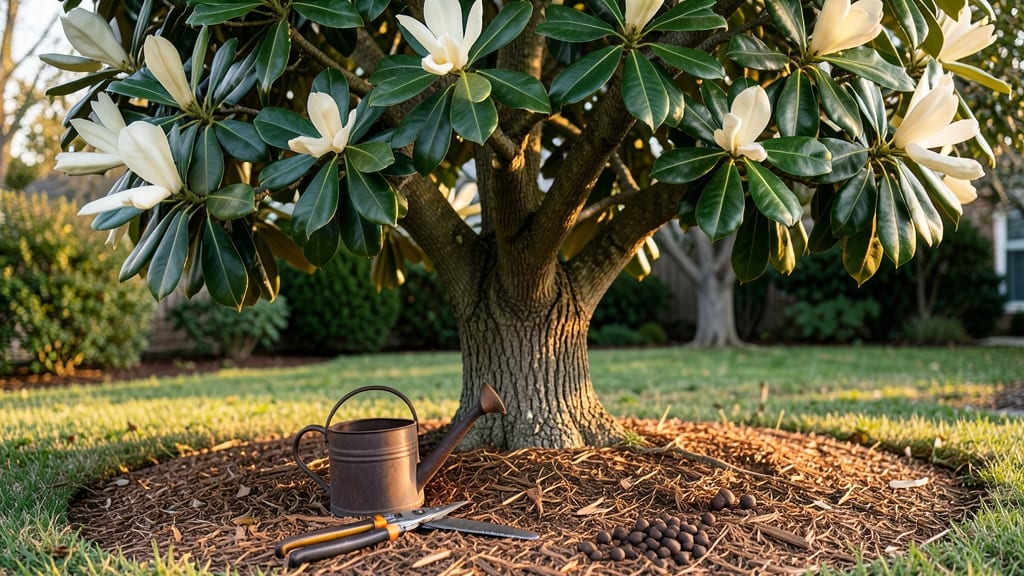
The right ornamental tree care can turn a struggling ornamental tree into a showstopper. 🌳 I’ve watched my crape myrtle go from sad to spectacular just by adjusting its growing conditions—no fancy tricks, just the basics done right.
Most ornamental trees thrive with 4-6 hours of sunlight daily, though some like shade. The soil needs good drainage and organic matter to keep roots happy. Test your soil first—amending it with compost can make all the difference in how your tree grows.
With the right care, your tree will reward you with vibrant foliage, stronger branches, and fewer pests. Prune at the right time, water deeply but infrequently, and watch it flourish season after season.
Works for everything from Japanese maples to flowering cherries. Let’s get your tree looking its best—naturally.
📚 In This Guide
- What you need
- Instructions
- Tips and common mistakes
- Wrapping up and next steps
What you need
- ● Pruning shears or loppers – Sharp, bypass-style (for clean cuts), 1-2 pairs (one for small branches, one for thicker ones).
- ● Hand pruners – Bypass or anvil type, 1 pair (for precision trimming).
- ● Gloves – Heavy-duty, gardening or work gloves, 1-2 pairs (to protect hands from thorns or rough bark).
- ● Shovel or spade – Round-point or digging shovel, 1 medium-sized (for planting or soil amendments).
- ● Soil testing kit – DIY pH test kit, 1 (to check soil acidity/alkalinity).
- ● Mulch – Organic (wood chips, bark) or inorganic (gravel), 2-3 cubic yards (depending on tree size).
- ● Watering can or hose with nozzle – Adjustable nozzle for gentle watering, 1.
- ● Fertilizer – Slow-release, balanced (10-10-10) or tree-specific formula, 5-10 lbs (follow package instructions).
- ● Tree stakes and ties – 3-4 stakes per tree + soft ties (for young or newly planted trees).
- ● Tree banding or trunk protector – Plastic or metal wrap (to prevent rodent damage).
- ● Post-hole digger – For planting stakes or deeper soil checks.
- ● Leaf blower or rake – For cleanup after pruning.
- ● Drip irrigation system – For consistent watering (ideal for large properties).
- ● Soil conditioners – Compost or peat moss (to improve drainage or nutrients).
Step-by-Step guide to nurturing ornamental trees for long-term health
Here's how I've kept my ornamental trees thriving for years—focus on these key elements first.
☀️ Step 1: Determine and Provide the Right Sunlight Exposure
Most ornamental trees need full sun (6-8 hours daily) for vibrant foliage and strong growth. Check your tree's label—some varieties like Japanese maples prefer partial shade (3-6 hours of morning sun) to prevent leaf scorch. I always observe my trees for yellowing leaves or brown tips in summer, which signals too much sun.
Position young trees where they'll receive their required sunlight as they mature. Mature trees can handle more shade, but they'll grow slower and may develop weak branches. If planting near a building, ensure the tree's mature height won't be permanently shaded by the structure.
🪴 Step 2: Prepare the Planting Site with Proper Soil Conditions
Ornamental trees thrive in well-draining soil with a slightly acidic to neutral pH (6.0-7.0). Before planting, mix 2-3 inches of compost into the native soil to improve fertility and structure. I always dig a hole twice as wide as the root ball but only as deep—planting too deep suffocates roots and causes stress.
Test your soil's drainage by digging a 12-inch deep hole and filling it with water. If it drains in under 30 minutes, your soil is fine. If it pools after an hour, amend with sand or perlite to improve aeration. Never plant in heavy clay without amendments—roots need oxygen to grow.
💧 Step 3: Water Deeply and Establish a Consistent Irrigation Routine
Newly planted ornamental trees need 1-2 gallons of water per week during the first year, delivered deeply (6-12 inches down) to encourage root growth. I use a soaker hose for 20-30 minutes weekly rather than frequent shallow watering, which promotes weak, surface roots. Check moisture by sticking your finger 3 inches deep—if dry, water again.
After the first year, most ornamental trees establish deep roots and need water only during prolonged dry spells (no rain for 2+ weeks). Overwatering causes root rot—look for mushy brown roots or yellowing leaves as warning signs. Mulch with 2-3 inches of organic mulch (like shredded bark) to retain moisture and regulate soil temperature.
✂️ Step 4: Prune for Structure and Health During Dormant Season
Prune ornamental trees in late winter or early spring before new growth begins. Remove dead, diseased, or crossing branches first—they're easy to spot against bare branches. I always prune just outside the branch collar (the swollen area where the branch meets the trunk) to prevent unsightly stubs and promote faster healing.
For shaping, limit pruning to no more than 25% of the tree's foliage in a single season. Heavy pruning stresses trees and can lead to suckering (unwanted shoots) or dieback (dead branches). Use clean, sharp pruners to make smooth cuts—ragged edges invite disease. Sterilize tools with rubbing alcohol between cuts on infected branches.
🌿 Step 5: Fertilize Strategically for Seasonal Growth Needs
Feed ornamental trees in early spring with a balanced, slow-release fertilizer (10-10-10 or 20-20-20) at half the recommended rate. Young trees benefit from monthly applications during their first growing season, while mature trees need fertilizer only every 2-3 years. I always water the tree 24 hours before and after fertilizing to prevent root burn.
Watch for nutrient deficiencies—yellow leaves between veins signal iron deficiency, while purple stems indicate phosphorus shortage. If you notice these, switch to a chelated iron supplement or bone meal respectively. Over-fertilizing causes leaf burn (brown tips) and excessive soft new growth that's prone to breakage.
Tips & tricks for thriving ornamental trees
Between us, these small adjustments make all the difference between a tree that merely survives and one that truly thrives.
Sunlight Strategy: The 6-8 hours of full sun mentioned in Step 1 isn't just about sunlight exposure—it's about timing. Position trees to receive morning sun (when it's less intense) and afternoon shade if your climate gets particularly hot. I've seen Japanese maples with scorched leaves when planted in full afternoon sun, even though they only need 3-6 hours of morning light. Observe your tree's leaves throughout the day—if they start wilting after noon, it's getting too much direct heat.
Soil Preparation Insight: When testing soil drainage in that 12-inch deep hole, don't just watch the water—listen too. If you hear bubbling or see air escaping as the water drains, that's a good sign of proper aeration. For heavy clay soils, I've found mixing in equal parts sand and compost creates the ideal balance. This combo improves drainage while maintaining moisture retention, which is crucial for those first critical months after planting.
Watering Wisdom: That 20-30 minutes of soaker hose time might seem excessive, but it's the only way to ensure water penetrates deeply enough to encourage root growth. I've learned the hard way that shallow watering creates roots that stay near the surface, making trees vulnerable to drought. For the first year, I set a reminder on my phone for that weekly watering—trees can't remind us, but we can remind ourselves.
Pruning Precision: The branch collar is more important than most people realize when pruning in Step 4. That swollen area contains protective cells that help the tree heal. If you cut too close to the trunk, you're essentially creating a wound that takes much longer to seal. I always make my cuts just outside that collar, then immediately sterilize my pruners—this prevents disease from spreading between cuts, especially when dealing with multiple branches.
Pro Tips for Ornamental Tree Care
- Between us, these small adjustments make all the difference between a tree that merely survives and one that truly thrives.
- Sunlight Strategy: The 6-8 hours of full sun mentioned in Step 1 isn't just about sunlight exposure—it's about timing.
- Soil Preparation Insight: When testing soil drainage in that 12-inch deep hole, don't just watch the water—listen too.
Frequently asked questions
Got questions about keeping your ornamental trees looking their best? We’ve got answers! Here are some of the most common concerns—plus quick fixes to keep your greenery thriving.
How much sunlight do ornamental trees really need?
Most ornamental trees thrive in full sun (6+ hours daily), but some—like Japanese maples or dogwoods—prefer partial shade (3–6 hours). Check the species tag! Overly shaded trees may grow leggy or sparse. If your yard lacks sun, opt for shade-tolerant varieties like ornamental cherries or ornamental pears.
When is the best time to prune ornamental trees?
Prune in late winter or early spring (before buds swell) to encourage healthy growth. Avoid heavy pruning in fall—it stresses trees and invites pests. For flowering trees, trim right after blooming to preserve next year’s flowers. Use clean, sharp tools to prevent disease!
What’s the ideal soil for ornamental trees?
Well-draining, slightly acidic soil (pH 6.0–7.0) works best for most ornamental trees. Amend heavy clay with compost or sand, and mulch (2–4 inches) to retain moisture. Avoid compacted soil—root systems need air! Test your soil annually for nutrients like nitrogen, phosphorus, and potassium.
How do I prevent pests and diseases in ornamental trees?
Start with healthy soil and proper spacing to reduce stress. Inspect leaves regularly for signs like yellowing, holes, or sap. Treat pests early with neem oil or insecticidal soap. Fungal diseases? Improve airflow and avoid overhead watering. Most issues stem from overwatering—let soil dry between waterings!
Can I grow ornamental trees in containers?
Yes! Dwarf varieties like ornamental olives or bonsai maples thrive in pots. Use a fast-draining mix (50% soil, 30% perlite, 20% compost) and repot every 2–3 years. Containers dry out faster—water deeply when the top inch feels dry. Move pots to avoid harsh winds or extreme temps.
Wrapping up and next steps
Caring for your ornamental trees is all about understanding their unique needs—whether it’s basking in the right sunlight or thriving in the perfect soil.
With the right balance of sunlight exposure, soil health, and seasonal adjustments, your trees will flourish and bring beauty to your space for years to come. 🌳✨
Ready to give your trees the love they deserve? Start small: assess their current conditions, make gradual improvements, and watch them grow stronger each season. Your green thumb is closer than you think!