
How To
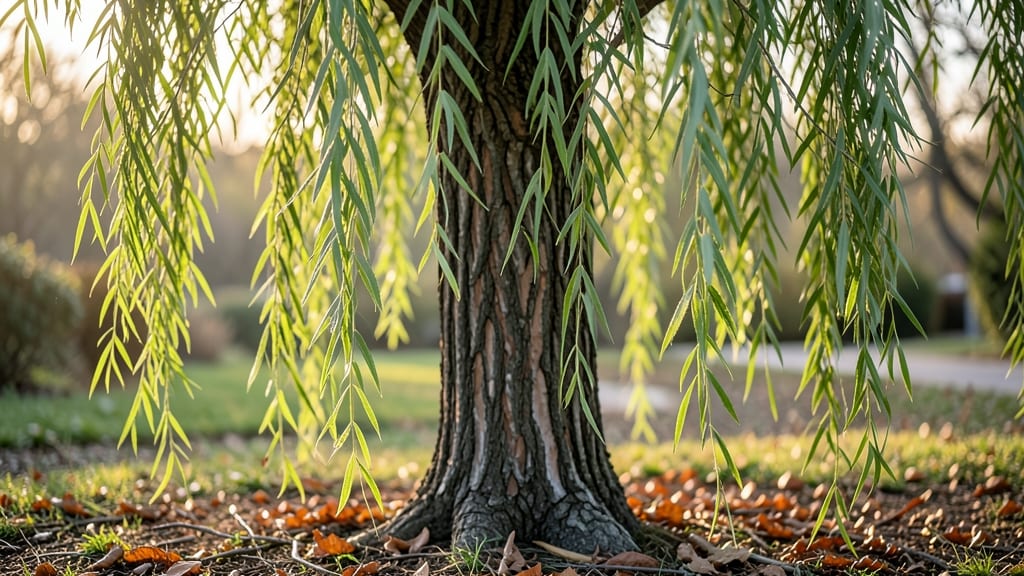
A willow tree grows to how tall does a willow tree grow heights that can dwarf a 3-story building, with some varieties reaching up to 50 feet or more—if you’ve got the space and patience.
If you’ve ever dreamed of a towering, graceful tree that grows faster than your morning coffee brews, willow trees might be your perfect match—but how tall can they really reach?
The answer depends on the variety, soil, and climate, but one thing’s certain: these trees are fast growers that demand attention.
From the weeping willow’s dramatic draping branches to the corkscrew willow’s twisted trunks, each type has its own skyward potential. Some thrive in USDA Zone 6a, while others push limits in wetter climates, making them adaptable yet unpredictable in height.
In this guide, I’ll break down the tallest varieties, how to encourage (or control) their growth, and whether they’re right for your garden—or just a dream for the backyard.


Willow tree height limits: fastest-growing varieties and their skyward records
Willow trees are nature’s skyscrapers—some varieties can shoot up 10 feet per year under ideal conditions, making them the fastest-growing trees on the planet. But how tall can they really grow? The answer depends on the species, your climate, and a little luck with soil moisture.
Let’s break down the tallest willow varieties and their skyward potential, so you can decide if your property can handle their dramatic growth.
Most willow trees reach mature heights between 20–50 feet, but a few varieties break the 60-foot barrier with ease. The Weeping Willow (Salix babylonica) is the poster child for height, often topping out at 40–50 feet in just 10–15 years.
Meanwhile, the Black Willow (Salix nigra) can stretch up to 60 feet or more in wet, fertile conditions—think riverbanks or swamps. Even the White Willow (Salix alba) isn’t far behind, hitting 30–50 feet in optimal settings.
Here’s the kicker: growth rates vary wildly by region. In humid climates like the southeastern U.S., willows can grow 3x faster than in arid zones.
For example, a Weeping Willow in Florida might reach 50 feet in 12 years, while the same tree in Arizona could max out at 30 feet in 20 years. Soil moisture is the #1 factor—willows thrive near ponds, streams, or with consistent irrigation.
If you’re dreaming of a giant willow but have limited space, consider dwarf or semi-dwarf varieties. While true dwarf willows are rare, the Corkscrew Willow (Salix matsudana 'Tortuosa') stays compact at 15–25 feet while still delivering dramatic foliage.
Even then, it’s a fast grower, adding 3–5 feet per year in its youth.
Before planting, check your local frost dates. Willow trees are hardy in USDA zones 4–9, but their growth spurts slow dramatically in cold winters. In northern climates, expect slower early growth until the tree establishes a strong root system—often taking 3–5 years to really take off.
Now, let’s get to the numbers. Not all willows are created equal—some are built for height records, while others prioritize spread or ornamental value. Below is a side-by-side comparison of the tallest willow varieties, their mature heights, and how quickly they’ll reach for the sky.
How to maximize willow tree growth: soil, water, and pruning secrets
Willow trees are nature’s growth champions, capable of shooting up 10 feet per year under ideal conditions—but only if you give them the right care. The secret to unlocking their rapid growth lies in three key factors: soil quality, consistent watering, and strategic pruning.
Whether you're planting a Weeping Willow for shade or a Corkscrew Willow as a statement piece, these tips will help your tree reach its full skyward potential faster than you’d expect.
First, let’s talk soil. Willow trees thrive in moist, well-drained soil with a slightly acidic to neutral pH (6.0–7.5). Heavy clay or sandy soil can stunt growth, so amending with compost or organic matter is a game-changer.
If your soil drains poorly, consider planting near a natural water source or a pond edge—willows love their feet wet but hate soggy roots. A quick soil test will reveal if your garden is ready for these moisture-loving giants.
The Black Willow (Salix nigra) can grow up to 70 feet tall in optimal conditions, while the Weeping Willow (Salix babylonica) typically reaches 30–50 feet. However, pruning in late winter can control height and encourage bushier growth—ideal for smaller yards!
Watering is where many gardeners go wrong. Willow trees need deep, frequent watering, especially in their first 2–3 years. Aim for 1–2 gallons per watering for young trees, applied directly to the root zone in the morning to minimize evaporation.
Mature trees still benefit from weekly deep waterings during dry spells, but avoid waterlogging—their roots need oxygen too. Mulching around the base with wood chips or straw helps retain moisture and regulates soil temperature.
Sunlight is another critical factor. Willow trees are sun worshippers, requiring at least 6 hours of direct sunlight daily. Plant them in a south-facing location for maximum growth, and avoid shaded spots where they’ll stretch awkwardly toward the light.
If you’re in a USDA Zone 6 or higher, your willow will thrive; colder climates may see slower growth but can still support these trees with proper winter care like mulching and wind protection.
Pruning is often misunderstood—many assume it slows growth, but done correctly, it accelerates it. Prune your willow in late winter or early spring before new growth begins. Remove dead, diseased, or crossing branches first, then thin out 1/3 of the oldest stems to encourage younger, faster-growing shoots.
For height control, cut back the tallest branches by 1/4 to 1/3—this triggers bushier growth and prevents them from becoming top-heavy. Avoid heavy pruning in fall, as it stresses the tree before winter.
Common mistakes that stunt growth include over-fertilizing (willows prefer lean soil), underwatering (they wilt quickly when thirsty), and pruning at the wrong time (summer pruning invites pests). If your willow’s leaves turn yellow or growth slows, check for root rot (from overwatering) or nutrient deficiencies (like nitrogen).
A balanced 10-10-10 fertilizer in early spring can give it a boost, but less is often more with these fast growers.
With the right soil prep, watering routine, and pruning schedule, your willow tree could hit mature height in half the time it would otherwise take. Start with these secrets, and you’ll be watching your tree reach new heights before you know it! 🌿