
Pruning
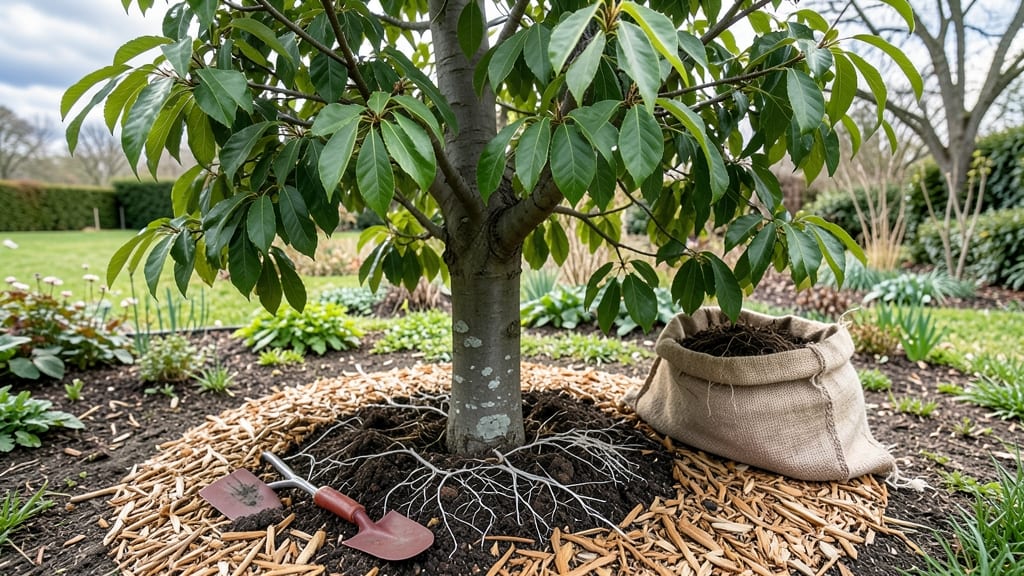
The Kwanzan cherry tree 🌸 root system spreads wider than you might expect, with shallow but extensive lateral roots that anchor its stunning blooms.
If you’ve ever wondered why your Kwanzan cherry tree struggles with wind or drought—or how to plant one without damaging its delicate structure—understanding its root system is the key to success.
Unlike deep taproots, this tree’s fibrous network spreads 3 to 5 times wider than its canopy, making soil preparation and watering depth critical for long-term health.
In this guide, I’ll walk you through root depth, soil preferences, and care tips to keep your Kwanzan cherry tree thriving for decades of breathtaking spring blossoms.
Understanding the Kwanzan cherry tree root system: depth, spread, and growth habits
The Kwanzan cherry tree (Prunus serrulata 'Kwanzan') is a stunning ornamental tree known for its vibrant pink blooms in spring. But behind its beautiful canopy lies a complex root system that determines its stability, water needs, and overall health.
Unlike shallow-rooted plants, this tree develops a deep, fibrous root structure that anchors it securely in the soil.
Most of the Kwanzan cherry tree's roots extend 12 to 24 inches deep, with the majority concentrated in the top 12 inches of soil. This depth helps the tree access moisture and nutrients while providing stability against wind.
However, its lateral roots spread 3 to 5 times wider than its canopy, which is critical for planting spacing and landscape planning.
Root development is heavily influenced by soil type and moisture levels. In well-draining, slightly acidic soil (pH 5.5 to 6.5), roots thrive and spread more aggressively. Compacted or waterlogged soil, however, can stunt root growth and lead to poor nutrient uptake, making the tree more susceptible to stress.
Unlike some trees with a single taproot, the Kwanzan cherry tree primarily develops a fibrous root system. This means it has a dense network of smaller roots that branch out horizontally and vertically.
This structure makes it more adaptable to pruning but also means it’s sensitive to soil disturbances near the root zone.
| Root Characteristic | Details | Care Implications |
|---|---|---|
| Root Depth | 12–24 inches (majority in top 12") | Avoid deep tilling near trunk; focus on topsoil health. |
| Lateral Spread | 3–5x canopy width (20–50 ft for mature trees) | Plant 15–20 ft from structures, sidewalks, or other trees. |
| Root Type | Fibrous (not taproot-dominant) | Sensitive to soil compaction; mulch to protect root zone. |
| Soil Preferences | Well-draining, slightly acidic (pH 5.5–6.5) | Amend clay soil with compost; avoid waterlogged areas. |
| Moisture Needs | Moderate (drought-tolerant once established) | Deep watering weekly for new trees; reduce frequency as roots mature. |
The Kwanzan cherry tree's root system matures over time, with the most significant growth occurring in the first 3 to 5 years after planting. During this period, the tree establishes its primary lateral roots, which determine its long-term stability.
Proper soil aeration and mulching (2–4 inches of organic mulch) help protect these roots from temperature extremes and physical damage.
Moisture management is critical, especially during the first year. Overwatering can suffocate roots, while underwatering stresses the tree. Aim for deep, infrequent watering (every 7–10 days for established trees) to encourage roots to grow deeper in search of water. This practice also improves drought resilience once the tree is mature.
One common misconception is that Kwanzan cherry trees have shallow roots, making them prone to toppling in wind. However, their deep root structure and extensive lateral spread actually provide excellent stability—as long as the soil isn’t compacted.
If you notice your tree leaning or struggling in windy conditions, it may indicate root-bound conditions or poor soil structure.
To support healthy root development, avoid deep cultivation near the trunk, as this can damage fine roots. Instead, focus on maintaining a 2–3 foot mulch ring around the base of the tree.
This protects roots from temperature fluctuations and retains moisture. Just be sure to keep mulch at least 6 inches away from the trunk to prevent rot.
Understanding the Kwanzan cherry tree's root system isn’t just about planting—it’s about long-term care. By respecting its depth, spread, and soil needs, you’ll ensure your tree thrives for decades, gracing your landscape with stunning spring blooms year after year.
Best planting practices to support a healthy Kwanzan cherry tree root system
A healthy Kwanzan cherry tree starts with the right root system care during planting. The roots of this stunning ornamental tree need well-draining soil and proper spacing to thrive. By following these best practices, you’ll ensure strong growth and vibrant blooms for years to come.
The root system of a Kwanzan cherry tree spreads 3-5 times wider than its canopy, so spacing is critical. Planting too close to structures or other trees can lead to root competition and stunted growth. Let’s dive into the essential steps to set your tree up for success.
Select a spot with full sun to partial shade and 15-20 feet from buildings or fences. Avoid low areas where cold air collects.
Test your soil for slightly acidic pH (5.5-6.5). Amend with compost or peat moss if drainage is poor. Avoid heavy clay soils.
Make the hole twice as wide as the root ball but no deeper. Loosen the sides to encourage root spread.
Place the tree so the root flare (where roots meet trunk) sits 1-2 inches above soil level. Fill the hole with native soil, not amended mix.
Give the tree a deep watering to settle the soil. Mulch with 2-3 inches of organic mulch (wood chips or bark) to retain moisture.
Proper mulching is one of the most underrated steps for root health. A 2-3 inch layer of organic mulch helps regulate soil temperature, retain moisture, and suppress weeds—all critical for young roots establishing themselves in the first year.
After planting, avoid disturbing the root zone. Deep watering once a week (or more in extreme heat) ensures roots grow deeply rather than staying shallow. Over time, this creates a robust system that supports the tree’s stunning 20-30 foot height and vibrant blooms.
With these planting practices, your Kwanzan cherry tree will develop a strong, healthy root system that thrives for decades. Happy gardening! 🌸