
How To
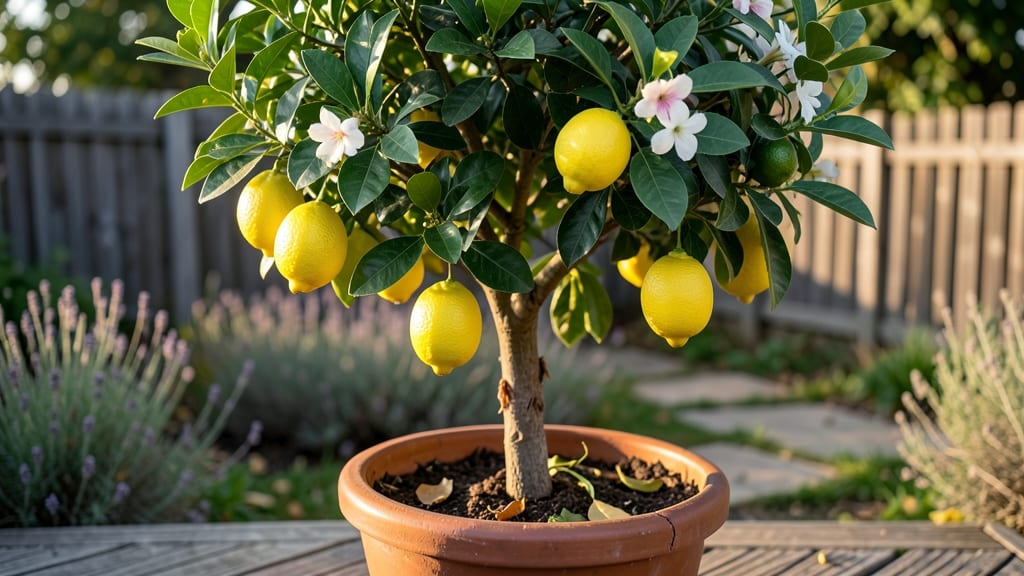
A lemon tree can grow anywhere from 6 feet to towering 25 feet tall, depending on the variety and how you care for it 🍋. Picture this: your backyard transformed into a sun-drenched grove, or a compact container tree on your patio—both are possible with the right approach.
If you’re daydreaming about a lemon tree heavy with fruit but worried about space, you’re not alone. The truth is, the height of your lemon tree isn’t just about genetics—it’s about the variety you choose, how you prune it, and even the climate where you live.
Dwarf varieties like the Meyer lemon stay manageable at 6-10 feet, while standard types like Eureka or Lisbon can stretch toward the sky, reaching 20+ feet if left unchecked.
But here’s the game-changer: with the right pruning and care, you can control its growth to fit your space—whether that’s a cozy balcony or a sprawling garden.
In this guide, I’ll break down the height ranges by variety, share pruning secrets to keep your tree at your desired size, and reveal the care tips that make all the difference. Ready to grow the perfect lemon tree for your space?


Lemon tree height by variety: dwarf to giant growth potential
Choosing the right lemon tree variety is the first step in controlling its height. Some varieties stay compact enough for containers, while others reach towering heights that require careful planning.
The Meyer lemon, for example, is a popular dwarf variety that rarely exceeds 6-10 feet, making it perfect for patios and small gardens. Meanwhile, the classic Eureka lemon can soar up to 15-25 feet if left unpruned, requiring ample yard space or regular height management.
Your growing conditions also play a crucial role in determining how tall your lemon tree will become. Trees grown in full sun with well-draining soil and consistent moisture tend to grow faster and taller.
In contrast, trees in containers or cooler climates will naturally stay smaller due to restricted root growth. Understanding these factors helps you set realistic expectations for your lemon tree's mature height.
Here’s a quick comparison of popular lemon tree varieties and their typical mature heights, along with their ideal growing conditions:
The Meyer lemon is my top recommendation for beginners or those with limited space. Its dwarf stature makes it ideal for growing in large containers, allowing you to move it indoors during winter if you live in a colder climate.
Just ensure the container is at least 15-20 gallons to accommodate its root system and provide stability as it grows.
For those with ample yard space, the Eureka lemon is a classic choice, but its rapid growth means you’ll need to plan for its mature height early. If you’re unsure about long-term commitment, consider planting it near a fence or wall to contain its spread.
Regular pruning can also help manage its height and encourage a bushier shape.
If you’re growing lemons in USDA zones 9-11, you’ll find that most varieties thrive outdoors year-round. In cooler zones (USDA zones 8 or below), opt for dwarf varieties or grow your lemon tree in a container that can be moved indoors during winter.
A sunny windowsill or under grow lights will keep it alive and healthy until spring.
Soil quality is another critical factor in determining your lemon tree’s height. Lemon trees prefer slightly acidic to neutral soil (pH 6.0-7.0) with excellent drainage. Amending heavy clay soil with compost or sand can prevent root rot and encourage healthier, more controlled growth.
Poor soil conditions can stunt growth or lead to disease, so always test your soil before planting.
Pruning isn’t just for height control—it also improves air circulation and fruit production. For dwarf varieties, a light pruning session in late winter or early spring helps shape the tree and remove dead or overcrowded branches.
For standard varieties, more aggressive pruning may be needed to keep them from becoming unmanageable. Always use sterilized pruning shears to prevent the spread of disease.
Whether you’re aiming for a 6-foot patio tree or a 20-foot backyard giant, understanding your lemon tree’s growth potential helps you plan accordingly. Start with the right variety, provide optimal growing conditions, and don’t forget to prune regularly.
With the right care, your lemon tree will not only reach its full height potential but also reward you with an abundance of juicy lemons.
How to control lemon tree height: pruning and training techniques
Controlling your lemon tree's height starts with understanding its natural growth patterns. Without intervention, standard varieties can reach 15-25 feet tall, while dwarf types max out at 6-10 feet.
The key is strategic pruning combined with proper training techniques to shape your tree according to your space and goals.
Pruning isn't just about cutting branches—it's about directing energy where you want it. For container-grown trees, aggressive pruning keeps them compact, while outdoor trees benefit from selective pruning to maintain an open canopy. The timing of your cuts makes all the difference between promoting growth or stunting it.
Step-by-Step Pruning Guide for Lemon Trees
- 1 Choose the right time: Prune in late winter or early spring (before new growth) or summer after harvest. Avoid pruning in fall—it stresses the tree before winter dormancy.
- 2 Gather tools: Use sterilized pruning shears for small branches and a pruning saw for thicker stems. Disinfect tools with rubbing alcohol to prevent disease spread.
- 3 Remove dead/diseased wood: Cut back dead branches and any with yellowing leaves or spots to improve air circulation. Make cuts 1/4 inch above a bud or branch collar.
- 4 Shape the canopy: For container trees, prune to maintain a 3-4 foot height. For outdoor trees, aim for a balanced shape by removing inward-growing branches.
- 5 Train young trees: Use stakes or cages to guide growth direction. For dwarf varieties, prune 1/3 of new growth to encourage bushiness.
- 6 Avoid common mistakes: Never prune more than 25% of the canopy at once. Don't cut flowering branches—they produce next year's fruit.
Training techniques complement pruning by guiding your tree's structure. For container growth, use espalier training to grow trees flat against a wall, reducing their footprint by up to 70%. Simply attach branches to a trellis with soft ties and prune to maintain the desired shape.
Remember, lemon trees respond well to regular care. After pruning, apply a balanced fertilizer (6-6-6 NPK) to support new growth. Water deeply but let the top inch of soil dry between waterings to prevent root rot—a common issue with over-pruned trees.
With consistent pruning and training, you can keep your lemon tree at your desired height while maximizing fruit production. Whether you're aiming for a 6-foot patio tree or a 20-foot backyard giant, the control is in your hands—and shears.