
Container Gardens
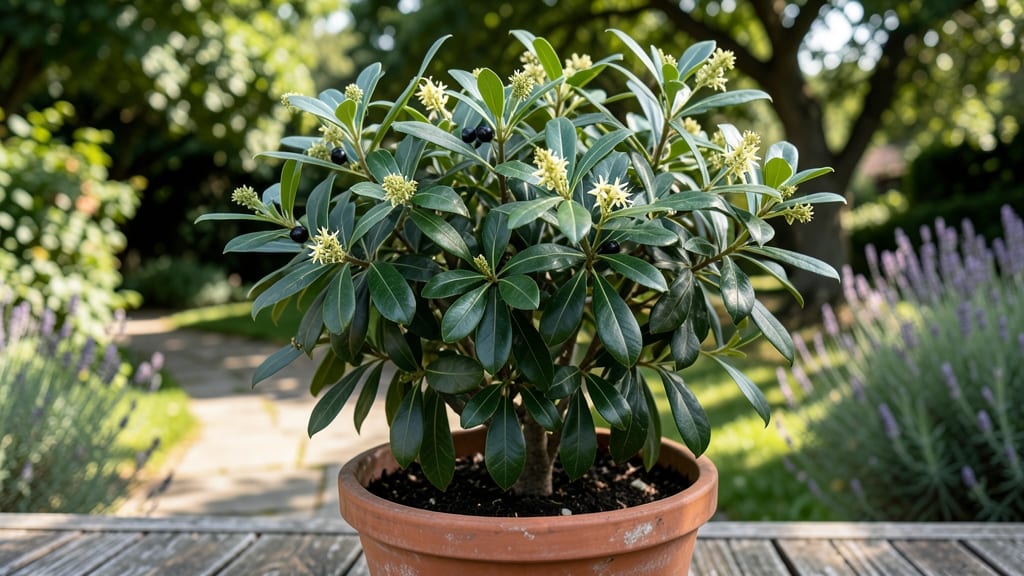
Growing a bay tree in a container means fragrant, glossy leaves and kitchen-ready branches year after year—no yard needed. 🌿 I’ve kept mine thriving for five winters by mastering the balance between pot size, soil drainage, and seasonal light shifts.
The key isn’t complicated: it’s about understanding what this evergreen actually needs to stay compact and healthy, not just surviving.
Start with a 15-20 gallon pot for mature trees (smaller for young plants) and well-draining potting mix—equal parts potting soil, perlite, and compost. Bay trees hate soggy roots, so terracotta or fabric pots with drainage holes are your best friends.
Water when the top inch feels dry, but never let it sit in saucers of water. Prune in late winter to shape and encourage bushier growth, and fertilize lightly every 4-6 weeks during growing season.
By summer, your bay tree will reward you with lush, dark-green foliage that smells incredible when brushed against. The secret to winter survival? Move it indoors near a bright window (south-facing is ideal) and reduce watering—just enough to keep the soil from drying out completely.
With these adjustments, you’ll avoid the dreaded leaf drop that plagues so many container bay trees.
Repot every 2-3 years to refresh the soil and check for root-bound conditions. If roots circle the pot, trim them gently and upgrade to a slightly larger container.
The payoff? A permanent, fragrant addition to your home that doubles as a culinary staple. No green thumb required—just consistency and a little seasonal attention.
📚 In This Guide
- What you need
- Instructions
- Tips and common mistakes
- Wrapping up and next steps
What you need
- ● Container: A pot with drainage holes (minimum 12–18 inches in diameter and 12–18 inches deep for mature growth). Opt for terracotta, ceramic, or fiberglass for breathability.
- ● Well-draining potting mix: A blend of 50% high-quality potting soil, 30% perlite or coarse sand, and 20% compost (bay trees hate soggy roots!)
- ● Bay laurel plant: A healthy, nursery-grown sapling (avoid bare-root plants unless experienced). Choose a dwarf variety (e.g., Laurus nobilis 'Angustifolia') for compact growth.
- ● Drainage layer: 1–2 inches of small pebbles, gravel, or broken pottery at the container’s base.
- ● Mulch: 1–2 inches of organic mulch (e.g., bark chips or straw) to retain moisture and suppress weeds.
- ● Garden trowel or small shovel for planting.
- ● Watering can with a narrow spout (or a hose with a gentle spray nozzle).
- ● Pruning shears (sterilized with rubbing alcohol) for shaping and maintenance.
- ○ pH testing kit (optional but helpful—bay trees prefer slightly acidic to neutral soil (pH 6.0–7.0)).
- ● Slow-release fertilizer (e.g., balanced 10-10-10 or organic options like fish emulsion) for seasonal feeding.
- ● Container saucer or tray (to catch excess water and protect surfaces).
- ○ Support stake or trellis (optional, for varieties that grow taller or need shaping).
Step-by-step instructions for growing a bay tree in containers
Here's how I keep bay trees thriving in pots—compact, fragrant, and productive for years.
🪴 Step 1: Choose the Right Container and Soil Mix
Select a 12-18 inch diameter pot with drainage holes—bay trees need room for roots but hate soggy soil. I use terra cotta because it breathes and helps prevent overwatering. Fill the bottom with 2-3 inches of gravel or broken pottery to improve drainage and prevent root rot.
For soil, blend equal parts premium potting mix, perlite, and compost—this creates a loose, well-draining medium that mimics Mediterranean conditions. Avoid garden soil; it compacts and suffocates roots. Tap the pot gently after filling to settle the mix evenly without compacting it.
🌱 Step 2: Plant and Position for Optimal Growth
Plant your bay tree at the same depth it was in its nursery pot—burying the stem too deep invites rot. Gently loosen the roots if they're circling, then place the plant in the center of the pot. Fill around the base with your soil mix, pressing lightly to eliminate air pockets but not compacting.
Bay trees crave full sun (6+ hours daily)—place yours in a south-facing spot or under a grow light if indoors. Rotate the pot quarter-turn weekly to prevent lopsided growth. You'll see new leaves emerge within 4-6 weeks if conditions are right.
💧 Step 3: Master Watering and Fertilizing
Water when the top 2 inches of soil feel dry—bay trees tolerate drought better than overwatering. Stick your finger in the soil; if it's damp below that depth, wait another day. In summer, I water every 5-7 days, but reduce to every 2-3 weeks in winter when growth slows.
Feed with a balanced liquid fertilizer (10-10-10) every 4-6 weeks during spring and summer. Cut back to monthly in fall and stop fertilizing in winter. Yellowing leaves often signal overwatering or excess fertilizer—adjust immediately if you see this.
✂️ Step 4: Prune for Shape and Health
Prune in late winter or early spring before new growth begins. Cut back 1/3 of the plant to encourage bushier growth—focus on removing leggy stems and crossing branches. Use clean, sharp shears and make cuts just above a leaf node to promote healing.
Harvest leaves anytime by snipping sprigs—this encourages denser growth. Never remove more than 1/3 of the foliage at once, or the tree will struggle. You'll notice new shoots forming within 2-3 weeks of pruning, signaling vigorous regrowth.
☀️ Step 5: Protect Through Seasonal Changes
In winter, move pots indoors if temperatures drop below 20°F—bay trees are tender perennials. Place them near a south-facing window or under grow lights for 12-14 hours daily. Reduce watering to every 3-4 weeks and stop fertilizing entirely.
Watch for spider mites or aphids—mist leaves weekly with water to deter pests. If you see webbing or sticky residue, treat with neem oil spray. A healthy bay tree in a pot can live 10+ years with proper care—mine's been thriving for 8 and still produces lush leaves for cooking.
Tips & tricks for perfect container-grown bay trees
These pro tips will help you keep your bay tree lush and productive in pots for years to come.
Container Selection: Terra cotta pots are ideal because they wick moisture away from roots, but if you prefer plastic, make sure it has drainage holes and use a cache pot underneath to catch excess water. The 12-18 inch diameter range is perfect for bay trees—any smaller will restrict root growth, while larger pots require more frequent watering. I've found that glazed ceramic pots can trap too much moisture, so stick with unglazed terra cotta or plastic with proper drainage.
Soil Mix Secrets: The equal parts premium potting mix, perlite, and compost ratio is key—this combination prevents compaction while providing essential nutrients. For even better drainage, I add a handful of orchid bark chips to the mix. Avoid using garden soil as it compacts easily and can introduce pests. After filling your pot, give it a gentle tap on the counter to settle the soil without compacting it too much.
Light Optimization: While bay trees need full sun (6+ hours daily), they can handle partial shade in hot climates. If growing indoors near a window, rotate your pot quarter-turn weekly to prevent lopsided growth toward the light source. For indoor setups, place your tree within 2-3 feet of a south-facing window or use a grow light for 12-14 hours daily. You'll notice new leaves emerging within 4-6 weeks when conditions are ideal.
Seasonal Transition Strategy: When moving your bay tree indoors for winter, do it gradually over 7-10 days to acclimate the plant. Place it near a south-facing window where it can still get plenty of light. Reduce watering to every 3-4 weeks during winter dormancy—overwatering is the #1 cause of container-grown bay tree failure. I've found that a humidifier nearby helps prevent the dry indoor air from causing leaf drop.
Pro Tips for Bay Tree In Container
- These pro tips will help you keep your bay tree lush and productive in pots for years to come.
- Container Selection: Terra cotta pots are ideal because they wick moisture away from roots, but if you prefer plastic...
- Soil Mix Secrets: The equal parts premium potting mix, perlite, and compost ratio is key—this combination prevents co...
Frequently asked questions
Got questions about growing a bay tree in a container? You’re not alone! Here are some of the most common concerns—and their solutions—to help your Laurus nobilis thrive in its compact home.
How often should I water a bay tree in a container?
Bay trees in containers need consistent moisture, especially in hot or dry conditions. Water when the top 1–2 inches of soil feel dry, usually every 5–7 days. Overwatering can cause root rot, so ensure the pot has drainage holes. In winter, reduce watering to every 10–14 days since growth slows.
Can a bay tree survive winter in a container outdoors?
Bay trees are hardy to USDA Zones 7–10, but containers are more vulnerable to cold. If temps drop below 20°F (-6°C), move your potted bay tree to a sheltered spot (like a garage or under an eave) or wrap it in burlap. Mulch the soil with straw for extra protection.
What’s the best container size for a bay tree?
A mature bay tree needs at least 18–24 inches in diameter and depth to accommodate its roots. Start with a 12-inch pot for young trees, then upgrade every 2–3 years. Ensure the container has drainage holes—bay trees hate soggy feet! Terracotta pots help regulate moisture.
Why are my bay tree leaves turning yellow?
Yellow leaves often signal overwatering, poor drainage, or nutrient deficiency. Check the soil: if it’s soggy, reduce watering. If leaves are crispy and brown, it’s underwatering. Feed your tree with a balanced fertilizer (10-10-10) in spring and summer to prevent deficiencies.
Are there dwarf bay tree varieties for smaller containers?
Yes! If space is tight, try ‘Angustifolia’ (narrow-leaf bay) or ‘Undulata’ (wavy-leaf, slower-growing). These stay 3–6 feet tall and work well in 10–15 gallon pots. Just ensure they get 6+ hours of sunlight daily—even dwarf varieties need light to thrive.
Wrapping up and next steps
Growing a bay tree in a container is a rewarding way to enjoy its fragrant leaves and elegant presence year-round—even in small spaces! With the right pot, soil, and care, your bay tree can thrive indoors or outdoors, adding beauty and practicality to your garden.
Whether you’re a beginner or a seasoned gardener, the key is patience and consistency.
Ready to take the next step? Pick your favorite bay tree variety, gather your supplies, and start nurturing your compact green companion today! 🌿✨