
Pruning
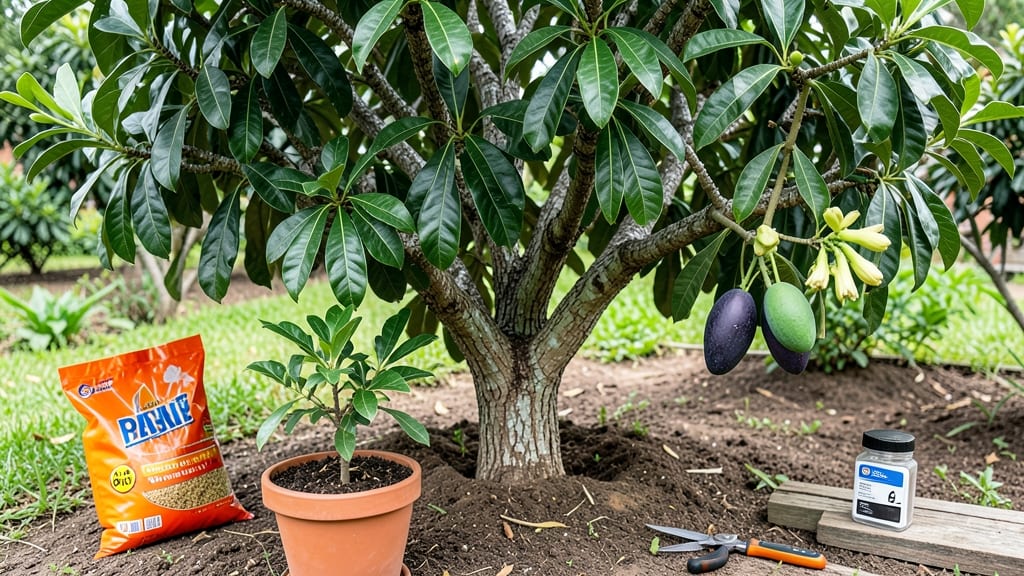
Getting your avocado tree to produce fruit starts with a tiny brush and a patient hand. 🌱 I’ve watched my own tree go from a stubborn sapling to a fruit-bearing powerhouse—it just needed the right pollination push, and I’ll show you exactly how to do it without fancy tools or a greenhouse.
Most homegrown avocado trees fail to fruit because they lack the right conditions or pollination. You’ll need consistent sunlight (6+ hours daily), well-draining soil, and a way to mimic the bees’ work if your tree is indoors. The key?
Hand-pollination with a soft brush or cotton swab, done twice daily during blooming season. By the end of year three, you’ll see those iconic purple flowers transform into small green fruits.
The first harvest might be tiny, but each year after that, the tree rewards your effort with bigger, creamier avocados—straight from your kitchen counter to your toast. Works for both potted trees (like my kitchen-grown Hass) and outdoor plants.
Here’s how to turn that leafy green friend into a fruit producer!
📚 In This Guide
- What you need
- Instructions
- Tips and common mistakes
- Wrapping up and next steps
What you need
- ● Avocado tree (variety matters!) – Choose a self-pollinating variety like Hass or Fuerte, or ensure you have a compatible pollinator nearby.
- ● Well-draining potting mix – A blend of 60% potting soil, 30% perlite or coarse sand, and 10% compost (for young trees). For mature trees, use 50% soil, 30% perlite, and 20% compost.
- ● Large container or in-ground planting spot – Minimum 15-gallon pot for young trees; mature trees need at least 50 gallons or in-ground space.
- ● Slow-release fertilizer – Look for a balanced 10-10-10 or citrus-specific fertilizer (high in nitrogen for growth, then switch to 6-6-6 or 8-3-9 for fruiting).
- ● Pruning shears – Bypass pruners (sharp, clean, and sterilized with rubbing alcohol) for shaping and removing dead branches.
- ● Pollination tools: Small paintbrush or cotton swab (for manual pollination).
- ○ Bees or bee-friendly plants (optional but helpful for natural pollination).
- ● Drip irrigation system or watering can – Avocados need consistent moisture (about 1-1.5 inches per week, more in heat).
- ○ Mulch (optional but recommended) – Wood chips or straw to retain moisture and regulate soil temperature.
- ● Sunlight – 6-8 hours of direct sunlight daily (partial shade in hot climates).
- ● Temperature range – Avocados thrive in USDA Zones 9-11 (ideal temps: 60-85°F). Young trees need protection from frost (<32°F).
- ● Humidity – 40-60% humidity (mist leaves or use a humidifier in dry climates).
- ● Wind protection – Young trees benefit from windbreaks to prevent stress.
- ● Growth regulator spray – Like Paclobutrazol to encourage flowering (follow label instructions!).
- ● Soil pH tester – Avocados prefer slightly acidic soil (pH 6.0-7.0); amend with sulfur or lime if needed.
- ● Tree support stake – For young trees in windy areas.
- ● Fruit thinning shears – To remove excess fruit and improve size/quality.
Step-by-Step guide to encouraging avocado fruit production
Avocado trees can be stubborn fruit producers, but these proven tricks will get yours bearing in no time.
🌱 Step 1: Verify Tree Maturity and Health
Avocado trees need 4-6 years to mature enough for fruiting, but even then, they won't produce without proper care. Check your tree's trunk—it should be at least 2 inches thick at the base. Thin, weak stems mean the tree isn't ready yet. Healthy trees have glossy, deep green leaves that don't yellow easily.
Look for new growth in spring as a sign the tree is actively growing. If your tree is younger than 4 years, focus on giving it full sun (6+ hours daily) and consistent watering before expecting fruit. I've seen trees skip fruiting for years if they're still putting energy into establishing roots.
☀️ Step 2: Provide Optimal Growing Conditions
Avocados thrive in USDA zones 9-11 with warm days (75-85°F) and cool nights (55-65°F). If you live in a cooler climate, grow your tree in a large container that you can move indoors during winter. The tree needs well-draining soil—a mix of 50% potting soil, 30% perlite, and 20% compost works best.
Water deeply once a week during growing season, letting the soil dry 2-3 inches deep between waterings. Overwatering causes root rot, which kills fruiting potential. You'll know your tree is happy when it drops a few leaves in late winter—this is normal and shows the tree is preparing for spring growth.
🌿 Step 3: Hand-Pollinate Flowers for Fruit Set
Avocado trees have Type A and Type B flowers that open on different days, making natural pollination tricky. In the morning, when flowers are fully open, use a soft paintbrush to transfer pollen from one flower to another. Focus on flowers that are white or pale yellow—these are the most receptive.
Do this for 3-5 consecutive days during the tree's flowering season (usually spring). I like to pollinate in the morning because that's when flowers release the most pollen. After pollination, you'll see tiny green fruits forming in 4-6 weeks. If no fruits appear after a week, repeat the process—sometimes flowers need multiple pollination attempts.
✂️ Step 4: Thin Fruit and Fertilize Strategically
When fruits are golf-ball sized, thin them to 1-2 per cluster to allow remaining fruits to grow larger. Overcrowded fruit weakens the tree and leads to small, poor-quality avocados. Use sterilized pruning shears to cut stems cleanly without damaging the main branch.
Fertilize in early spring with a balanced 10-10-10 fertilizer (follow package rates). Avocados need zinc and magnesium—add 1 tablespoon of Epsom salt to the soil monthly during fruiting season. You'll notice stronger new growth and thicker fruit skins after consistent fertilization.
🪴 Step 5: Protect and Support Developing Fruit
Avocado fruits are delicate—bird and insect damage can ruin them. Cover young fruit with fine netting if birds are a problem. Also, watch for avocado lace bug (tiny white spots on leaves) and treat with neem oil if you see them. Healthy leaves mean healthy fruit development.
As fruits grow, they may need support. If branches bend under the weight, tie them to stakes with soft twine. Harvest when the fruit is fully colored and slightly soft to the touch—usually 6-8 months after pollination. The seed should give slightly when gently squeezed.
Tips & tricks for encouraging avocado fruit production
Real talk: Avocado trees have a mind of their own when it comes to fruiting. These are the tricks that actually work—no guesswork involved.
Timing is Everything: The 4-6 year maturity window is non-negotiable, but don't just check the trunk thickness—look for new spring growth as your real indicator. I've had trees with 2-inch trunks that still wouldn't fruit because they weren't actively growing. If your tree isn't showing fresh leaves in spring, it's still putting energy into roots, not fruit production.
Pollination Precision: When you're doing that 3-5 day hand-pollination in Step 3, focus on flowers that are fully open in the morning—those are your best candidates. I use a soft makeup brush (not paintbrush) because it's gentle enough to avoid damaging the delicate petals. The key is consistency: if you see no tiny fruits after a week, repeat the process immediately—sometimes flowers need two rounds of pollination to set properly.
Fertilizer Strategy: That 10-10-10 fertilizer in Step 4 is just the beginning. The monthly Epsom salt (zinc/magnesium boost) is where the magic happens for fruit quality. I've seen trees with perfect flowers that produced tiny, deformed avocados until I started this regimen. The zinc helps with fruit development, while magnesium prevents yellowing leaves that signal stress. Apply it to moist soil in early spring when new growth appears.
Pest Prevention: Avocado lace bugs are sneaky—they hide on the undersides of leaves, leaving white spots that look like dust. I catch them early by shaking branches over a white sheet in the morning. If you see these pests in Step 5, treat immediately with neem oil (it's organic and safe for fruit trees). A single infestation can wipe out an entire year's potential harvest, so don't wait until you see damage.
Pro Tips for Get Avocado Tree To Produce Fruit
- Real talk: Avocado trees have a mind of their own when it comes to fruiting.
- Timing is Everything: The 4-6 year maturity window is non-negotiable, but don't just check the trunk thickness—look for new spring growth as your real indicator.
- Pollination Precision: When you're doing that 3-5 day hand-pollination in Step 3, focus on flowers that are fully open in the morning—those are your best candidates.
Frequently asked questions
Got questions about coaxing fruit from your avocado tree?
You’re not alone—growing avocados at home comes with curiosity! Here are answers to the most common queries to help you troubleshoot and succeed.
How long does it take for an avocado tree to bear fruit?
Patience is key! Most avocado trees take 3–5 years to produce fruit, depending on the variety and growing conditions. Dwarf varieties may fruit faster (2–3 years), while standard trees can take up to 7 years. Ensure your tree gets full sun, proper water, and good soil to speed up the process.
Do avocado trees need cross-pollination to produce fruit?
Yes! Avocado trees are self-pollinating but inefficient—they rely on bees, wind, or manual help to transfer pollen. Planting two compatible varieties nearby (like Hass and Fuerte) boosts fruit production. If you have only one tree, try hand-pollinating with a soft brush to mimic bees.
Why isn’t my avocado tree producing fruit, even after years of care?
Several factors could be at play: age, stress, or poor pollination. Check for yellowing leaves (nutrient deficiency), pests (like mites), or overwatering (root rot). Avocados also need a dormancy period—if your tree isn’t getting cooler winters (even slightly), it may skip flowering. Prune lightly to encourage new growth.
Can I grow an avocado tree indoors and still get fruit?
Indoor avocado trees (grown from pits) are unlikely to fruit—they’re more for decorative purposes. Fruit-bearing trees need outdoor conditions: 6+ hours of sunlight daily, warm temperatures, and space to grow. If you’re set on indoor growth, focus on keeping it healthy as a bonsai or future outdoor transplant.
What’s the best way to encourage flowering in an avocado tree?
Flowering happens in spring, triggered by temperature shifts. To help:
- Ensure your tree gets full sun (6+ hours/day).
- Avoid over-fertilizing with nitrogen—it promotes leaves over flowers.
- Prune in late winter to remove dead wood and encourage new growth.
- If your tree is young, wait until it’s 3–4 feet tall before expecting flowers.
Wrapping up and next steps
Growing your own avocado tree and coaxing it into producing fruit is a rewarding journey that combines patience, care, and a little scientific know-how! 🌱 By understanding its needs—from proper pollination to ideal growing conditions—you’re well on your way to enjoying homegrown avocados.
Remember, consistency is key, so keep nurturing your tree with love and attention.
Now that you’re armed with the right techniques, take the next step: track your tree’s progress and adjust as needed. Before you know it, you’ll be savoring the creamy, delicious fruit of your labor! 🥑