
Pruning
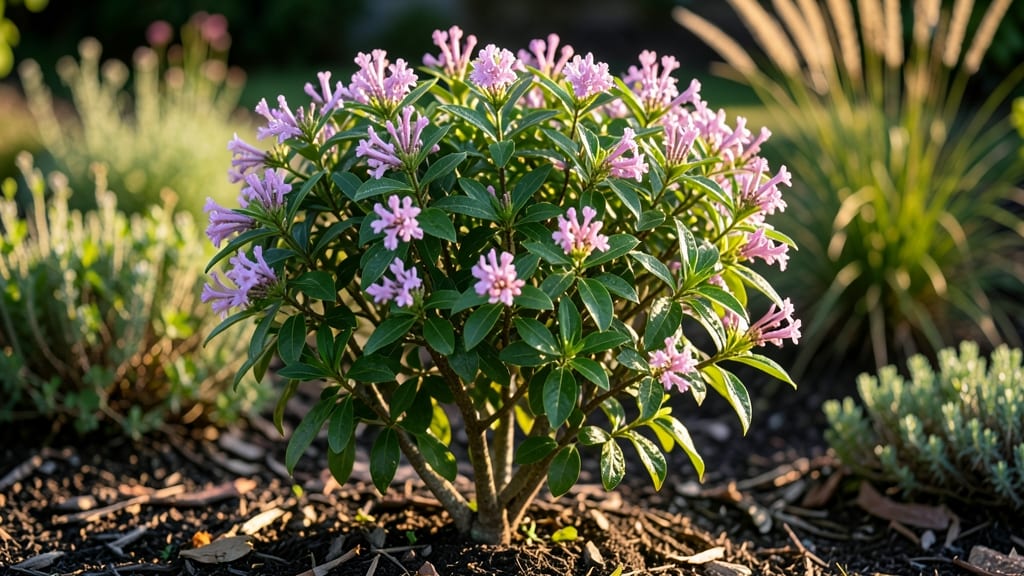
Winter pruning your dwarf Korean lilac tree isn't just about trimming—it's about setting up next year's showstopping blooms. 🌿 I've learned that cutting at the right time and in the right way transforms what looks like a bare skeleton into a lush, fragrant shrub by spring.
The key is timing: prune right after the first hard frost but before new growth starts. You'll remove dead or crossing branches first, then shape the plant by cutting back one-third of the oldest stems to encourage fresh, vigorous growth.
This method keeps your lilac compact and flowering heavily for years. What you'll end up with is a tree that bursts into bloom earlier and stays covered in fragrant flowers for 6-8 weeks.
The scent alone makes it worth the effort—like walking through a cloud of sweet, velvety perfume every spring. Works perfectly for colder climates where winter dormancy is the norm. Here's exactly how to do it without overcomplicating things!
📚 In This Guide
- What you need
- Instructions
- Tips and common mistakes
- Wrapping up and next steps
What you need
- ● Pruning shears – Bypass shears (for clean cuts) or anvil shears (for thicker branches). Size: 5-7 inches for precision.
- ● Loppers – For branches up to 1.5 inches thick. Quantity: 1 pair.
- ● Hand pruners – For smaller, delicate trimming. Quantity: 1 pair (sterilized).
- ● Gloves – Heavy-duty, cut-resistant gloves to protect against thorns and sharp tools.
- ● Disinfectant – 70% isopropyl alcohol or a 10% bleach solution (1 part bleach to 9 parts water) to sterilize tools.
- ○ Sharpie or pruning sealant – For marking cuts (optional but helpful for large branches).
- ● Bucket or bag – To collect pruned branches (for composting or disposal).
- ● Extension pole – For hard-to-reach branches (6-10 feet long).
- ● Pruning saw – For thick, stubborn branches (rare in dwarf varieties, but useful if needed).
- ● Garden kneeler or stool – For comfort during long pruning sessions.
- ● Fertilizer (balanced, slow-release) – To nourish the tree post-pruning (e.g., 10-10-10 NPK ratio).
- ● Mulch – 2-3 inches of organic mulch (e.g., shredded bark) to protect roots in winter.
Step-by-Step guide to pruning your dwarf Korean lilac tree in winter
Winter's the perfect time to refresh your dwarf Korean lilac—here's how to prune for lush, year-round blooms.
✂️ Step 1: Gather Your Tools and Safety Gear
Start with clean, sharp pruning shears—dull blades crush stems instead of cutting cleanly. I always use bypass pruners for branches under ½ inch thick and a loppers for thicker stems. Disinfect your tools with rubbing alcohol to prevent spreading disease between cuts. Wear gloves too—those thorns don't play nice.
Grab a small broom and bucket for cleanup. Korean lilacs shed a surprising amount of debris when you start cutting. I like to work on a dry day when the branches aren't slippery from frost or rain. Check the weather forecast—you don't want to prune right before a freeze, as new cuts are more vulnerable to cold damage.
✂️ Step 2: Identify and Remove Dead or Damaged Wood
Scan your tree for branches that are completely brown, brittle, or showing no signs of life. These dead stems won't bloom and can harbor pests. Cut them back to the main trunk or a healthy lateral branch using a 45-degree angle just outside the branch collar—the swollen area where the branch meets the trunk. This encourages faster healing.
Look for branches that crossed or rubbed against each other. These often develop wounds that invite disease. Remove one of the rubbing branches completely at its base. You'll see new growth fill in those gaps beautifully next spring. For dwarf varieties, I never remove more than 25% of the plant's total volume in one season—this keeps the tree healthy and encourages abundant blooming.
✂️ Step 3: Thin Out Overcrowded Branches
Focus on the tree's center first. Remove branches growing straight inward—they block light and air circulation. Aim to create an open vase shape that lets sunlight reach all parts of the tree. Cut back to a healthy outward-facing branch or bud. You'll notice the tree's natural structure becomes more visible as you work.
For every branch you remove, look for a strong, healthy lateral branch growing at a 45-60 degree angle from the main stem. This is your new growth leader. Make your cut just above the outward-facing bud. Korean lilacs bloom on old wood, so avoid cutting back into last year's blooming wood—you'll sacrifice next year's flowers.
✂️ Step 4: Shape for Optimal Bloom Display
Step back and assess your tree's overall shape. Korean lilacs naturally grow in a rounded form, so maintain that silhouette. For dwarf varieties, I keep the height between 3-5 feet, depending on the cultivar. Cut back any branches that grow taller than your target height to a strong lateral branch or bud.
Pay special attention to the outer edges. Trim back any branches that grow too long or leggy. Cut just above a leaf bud that faces outward. You'll see the tree's natural growth pattern emerge as you work. Avoid heavy pruning on one side—this creates an uneven look. For every cut on the left, make a balancing cut on the right.
🌿 Step 5: Clean Up and Prepare for Spring Growth
Sweep up all the pruned branches and dispose of them in the trash—not the compost pile. Diseased wood can contaminate your compost. I always rake through the base of the tree to remove any fallen leaves or debris. This prevents fungal growth over winter and gives your tree a clean start in spring.
Apply a 2-3 inch layer of mulch around the base, keeping it 6 inches away from the trunk. This protects the roots from freezing temperatures and retains moisture. Water the tree deeply before the first hard freeze if your area hasn't received much rain. A well-hydrated tree handles winter better than a thirsty one.
Tips & tricks for perfect dwarf Korean lilac pruning
Winter pruning transforms your dwarf Korean lilac into a blooming powerhouse—here's how to avoid common pitfalls and maximize results.
Tool Prep Matters: Before you even touch a branch, sharpen your bypass pruners with a file or honing stone. Dull blades tear stems instead of making clean cuts, which slows healing and invites disease. I test sharpness by slicing through a piece of paper—if it tears, your blades need work. Also, keep a small spray bottle of rubbing alcohol handy to disinfect between cuts on different branches.
Branch Collar Awareness: In Step 2, when removing dead wood, focus on cutting just outside the branch collar—the swollen area where the branch meets the trunk. This collar contains healing cells that help the tree recover faster. If you cut too close to the trunk or flush with it, you create a larger wound that takes longer to heal. Think of it as giving your tree a clean surgical cut rather than a jagged tear.
Visual Pruning Cues: When shaping in Step 4, imagine your tree as a rounded vase. Every cut should help create that silhouette. Look for branches that grow straight up or inward—they'll block light and air from reaching the center. Aim to remove these while keeping outward-facing branches that create that lush, rounded shape. The goal is to see light through the center when you look at your tree from above.
Mulch Placement Precision: That 2-3 inch layer of mulch in Step 5 needs strategic placement. Keep it 6 inches away from the trunk to prevent rot and pest issues. I like to create a slight mound around the base—this helps water drain away from the trunk while still protecting roots. Use organic mulch like shredded bark or wood chips, which break down over time and improve soil quality.
Pro Tips for Dwarf Korean Lilac Tree In Winter
- Winter pruning transforms your dwarf Korean lilac into a blooming powerhouse—here's how to avoid common pitfalls and maximize results.
- Tool Prep Matters: Before you even touch a branch, sharpen your bypass pruners with a file or honing stone.
- Branch Collar Awareness: In Step 2, when removing dead wood, focus on cutting just outside the branch collar—the swollen area where the branch meets the trunk.
Frequently asked questions
about caring for your dwarf Korean lilac tree (Syringa meyeri) during winter—and beyond—can help you keep it thriving year-round. Here are answers to the most common queries:When is the best time to prune a dwarf Korean lilac in winter?
The ideal window is late winter to early spring (February–March), just as buds begin to swell but before new growth starts. Pruning too early risks frost damage, while waiting too long can reduce next year’s blooms. Check our step-by-step guide for timing cues!
Do dwarf Korean lilacs need extra protection in harsh winters?
These hardy trees (USDA Zones 3–8) usually handle winter well, but young plants or extreme cold snaps (below 0°F/-18°C) may need help. Wrap the trunk with burlap or use a tree guard to prevent sunscald. Mulch lightly around the base (2–3 inches) for insulation—but keep it away from the trunk!
Why isn’t my dwarf Korean lilac blooming as much after pruning?
Over-pruning or cutting old wood (last year’s growth) reduces blooms since lilacs flower on mature buds. Limit cuts to 1/3 of the plant and focus on dead, crossing, or overcrowded branches. For heavy pruning, space it out over 2–3 years to preserve flowers.
Can I grow a dwarf Korean lilac in a container for winter?
Yes! Use a large pot (15+ gallons) with drainage holes and a well-draining soil mix. In winter, move the container to a protected spot (e.g., against a south-facing wall) or bring it indoors (bright, cool room) if temps drop below 10°F (-12°C). Reduce watering but don’t let soil dry out completely.
What’s a good alternative if my dwarf Korean lilac struggles in winter?
Consider these low-maintenance, cold-hardy shrubs for similar fragrant blooms:
- Dwarf Fothergilla (Fothergilla gardenii): White spring flowers, fiery fall foliage (Zones 4–7).
- Japanese Spirea (Spiraea japonica): Pink blooms, thrives in shade (Zones 5–8).
- Dwarf Lilac Bush (Syringa ‘Little Leaf’): Smaller than Meyer, but equally fragrant (Zones 4–8).
Wrapping up and next steps
The dwarf Korean lilac tree thrives in winter with the right pruning care—transforming your yard into a fragrant, blooming oasis even in the coldest months! By mastering strategic trimming, you’ll encourage vibrant flowers, healthier growth, and long-term vitality. Remember, timing, technique, and tools are your allies.
Ready to revive your tree’s bloom? Grab your pruners and start small—one cut at a time. Next, explore seasonal care tips or join a gardening community to share your progress! 🌸✂️